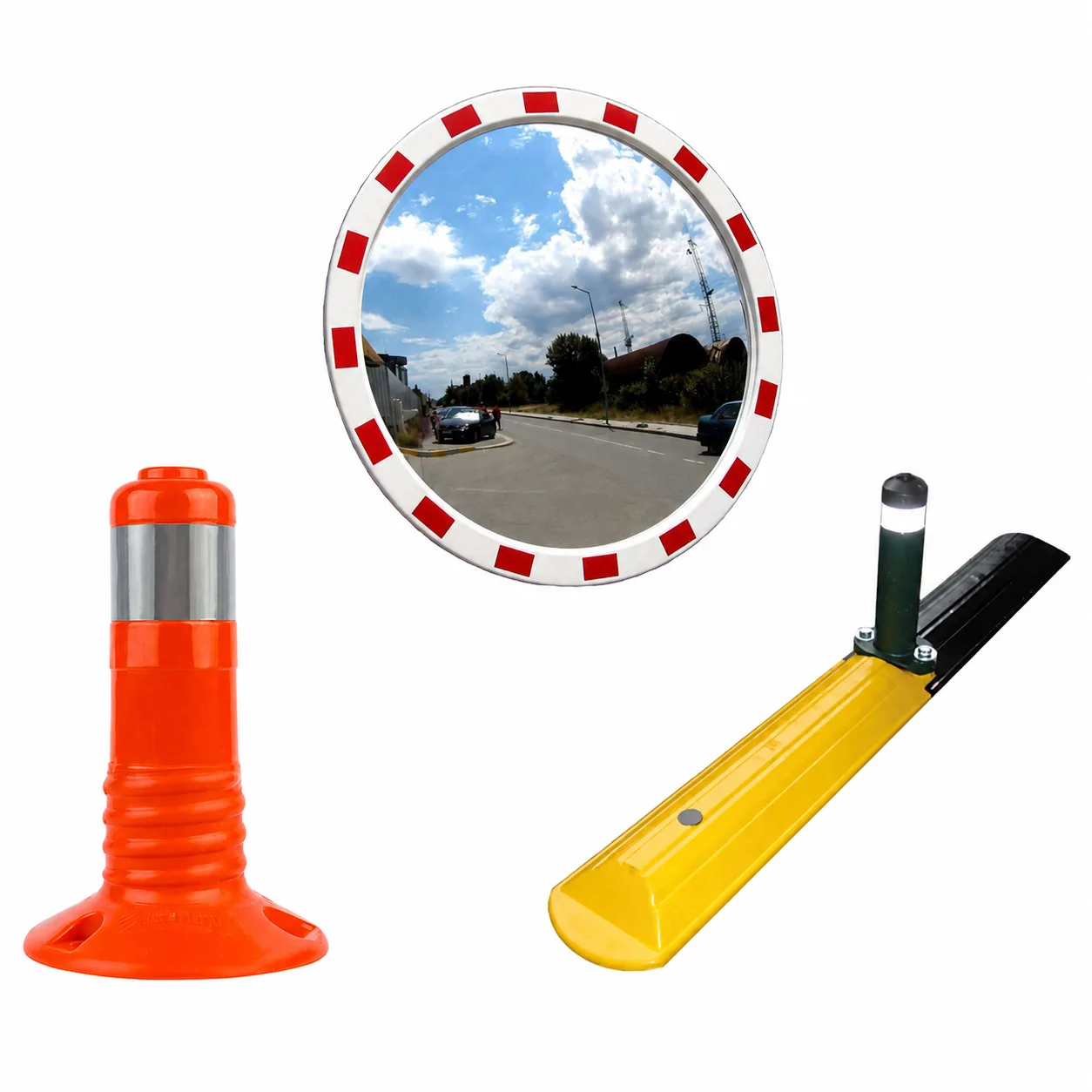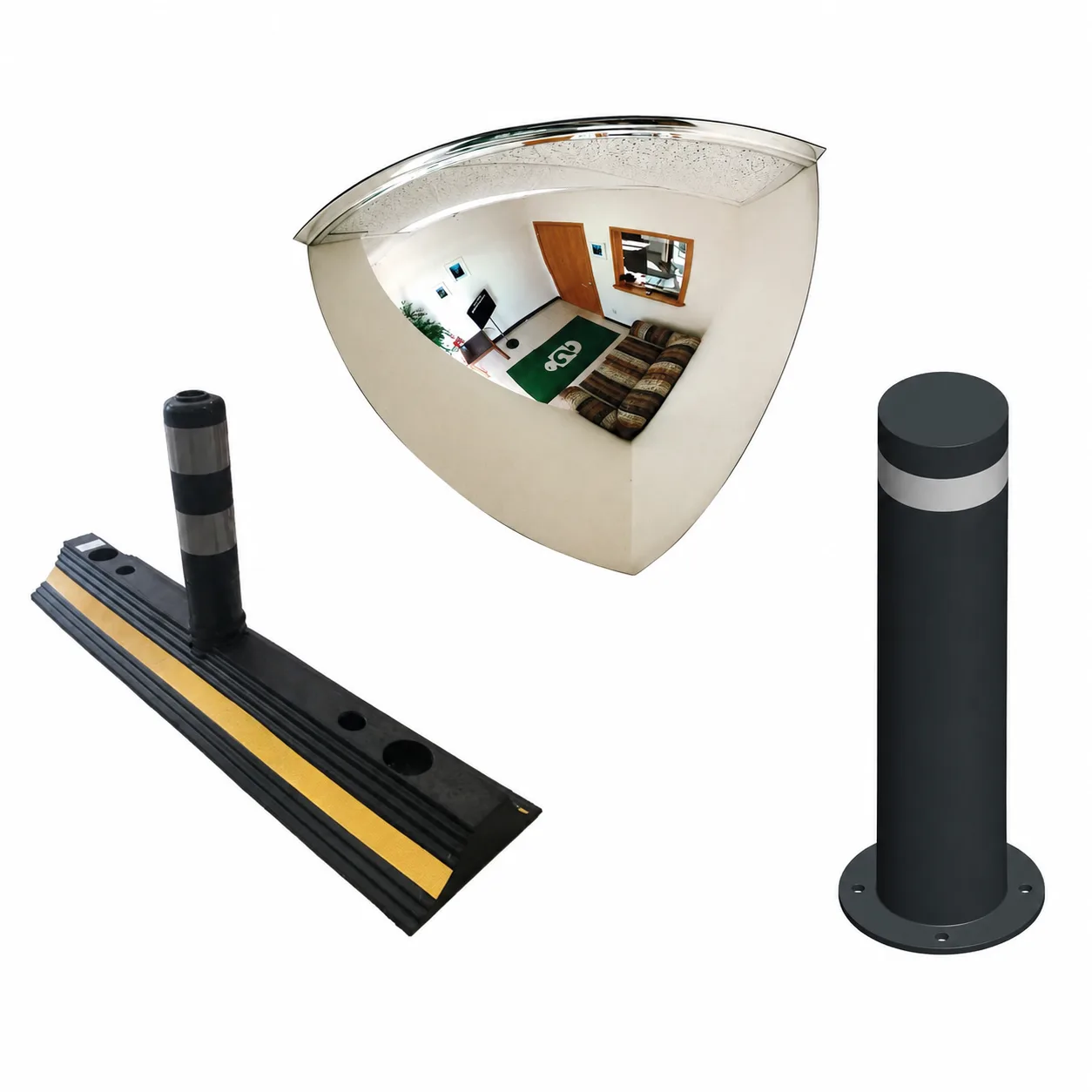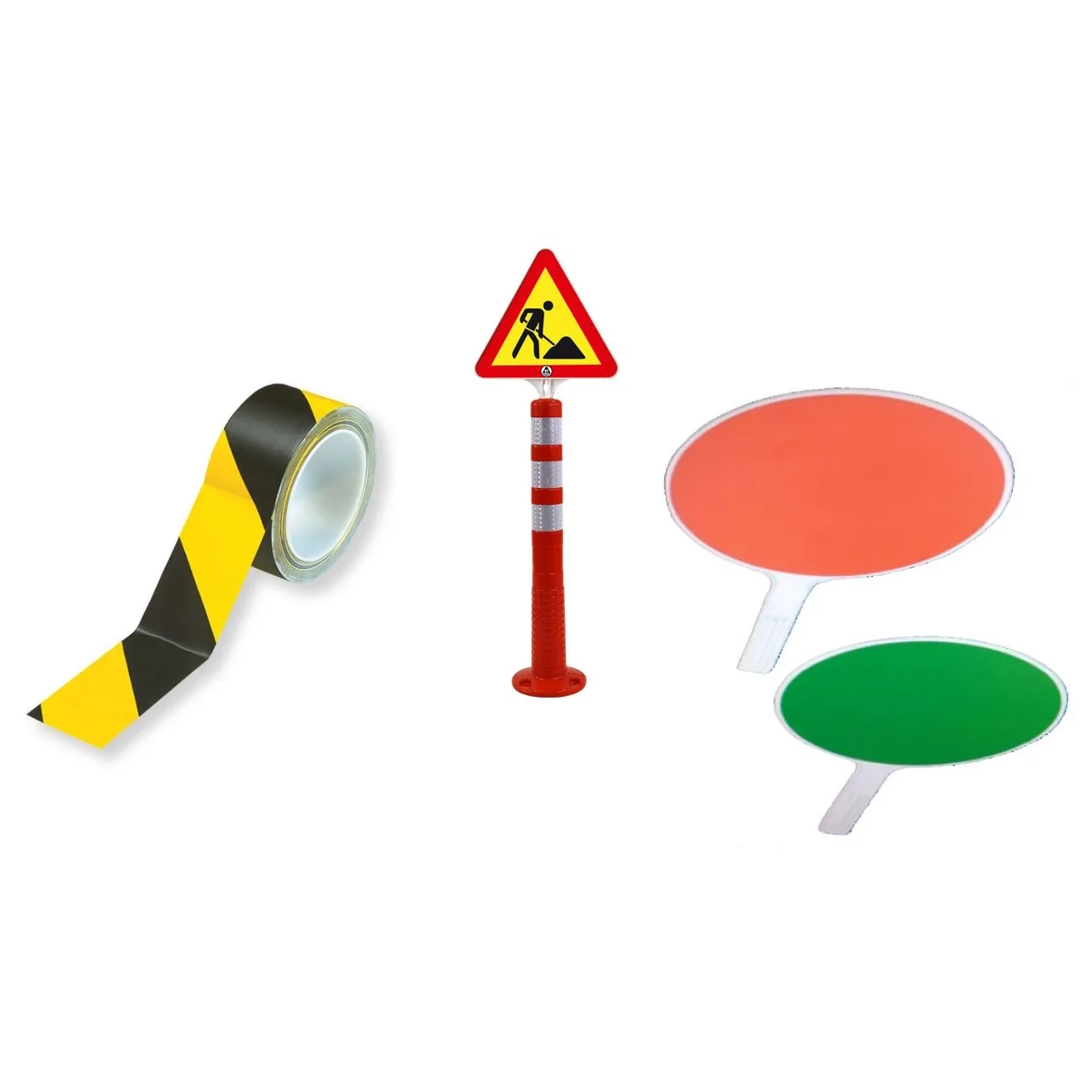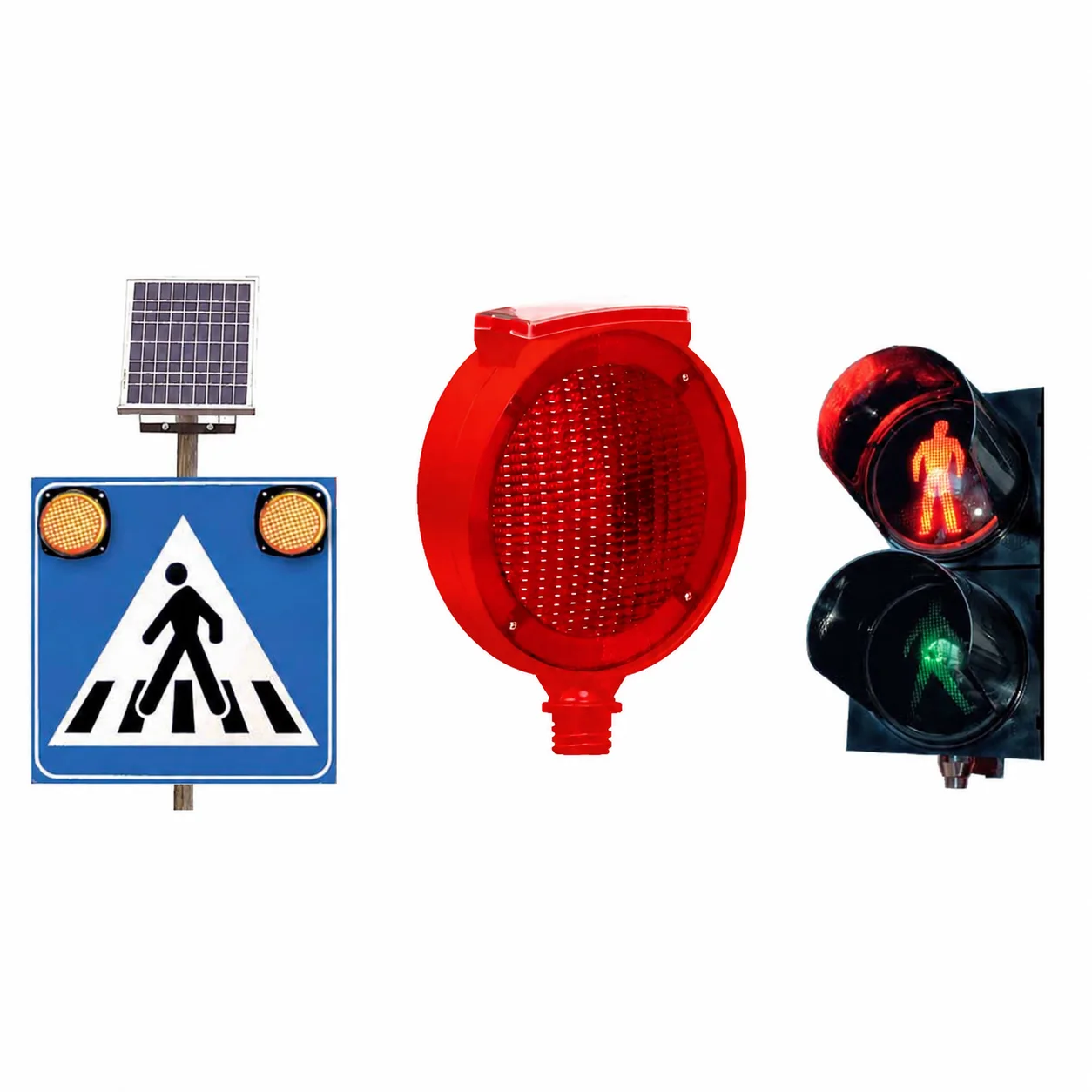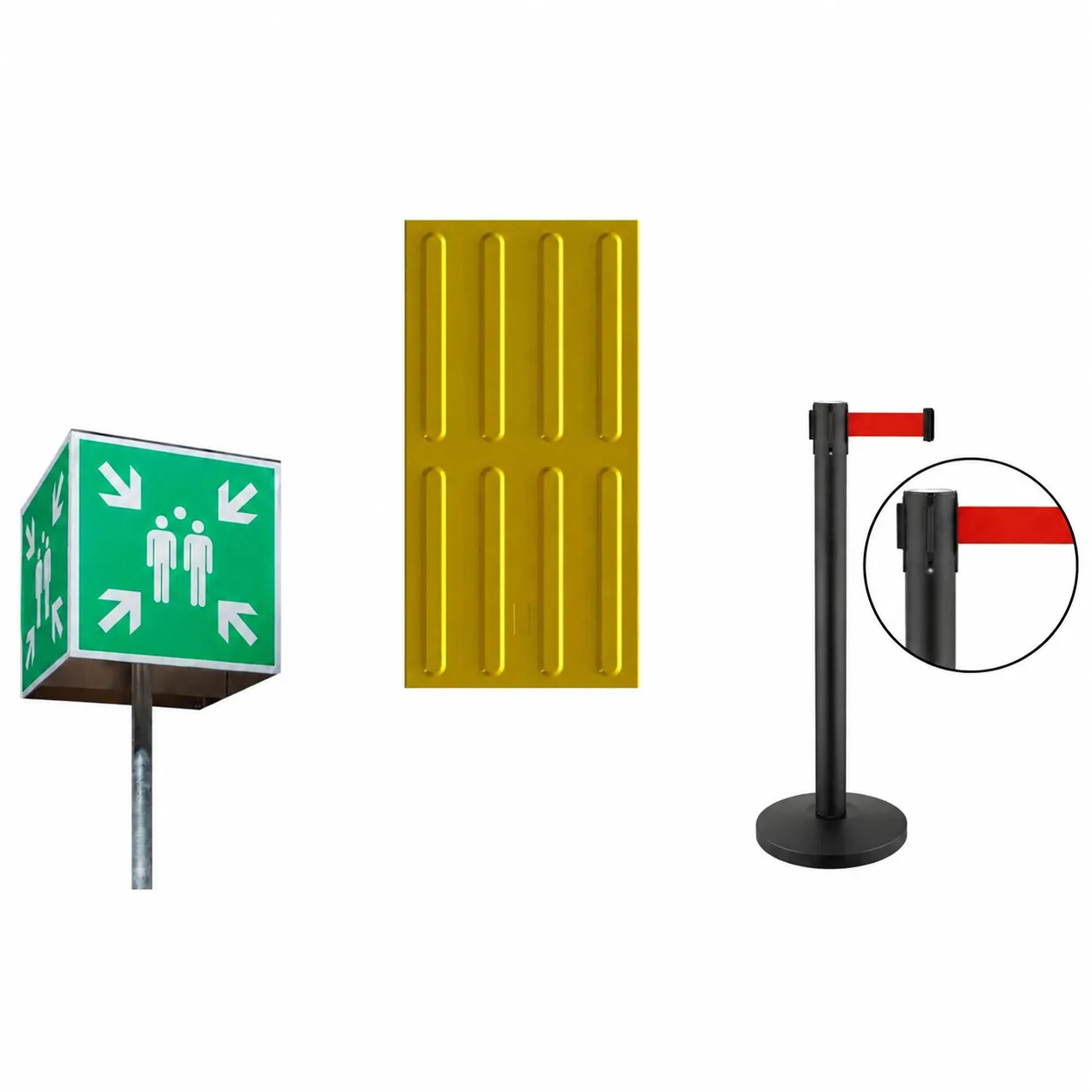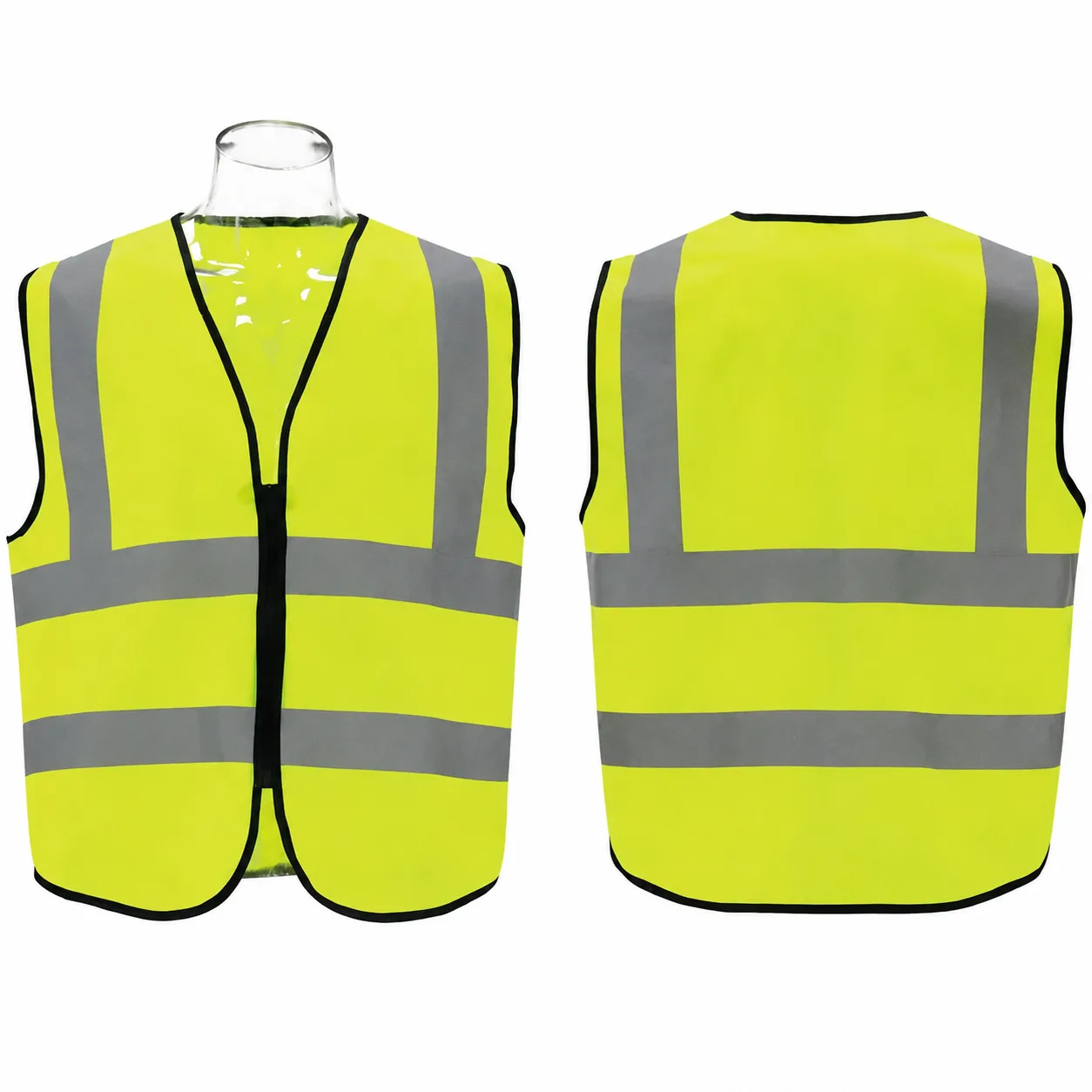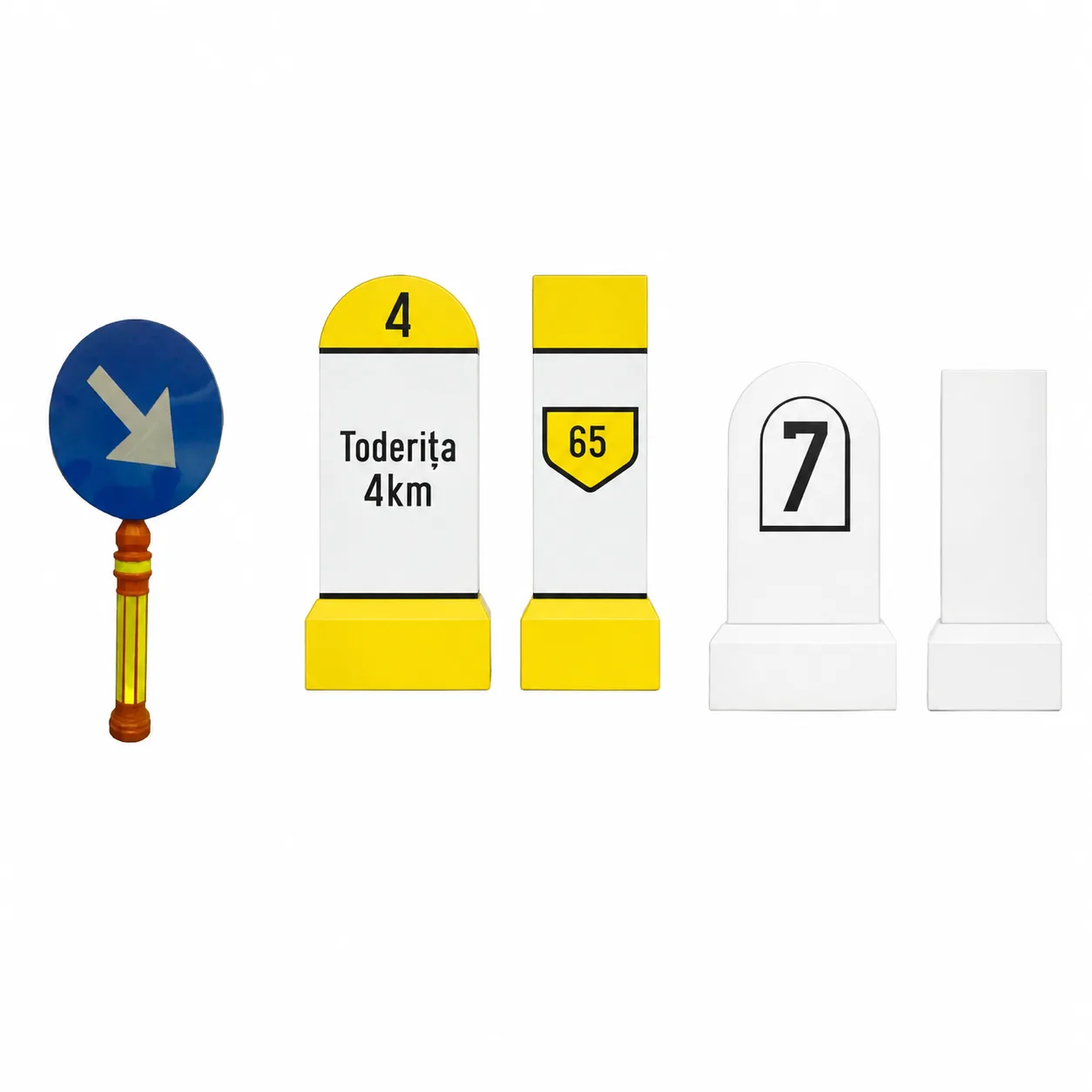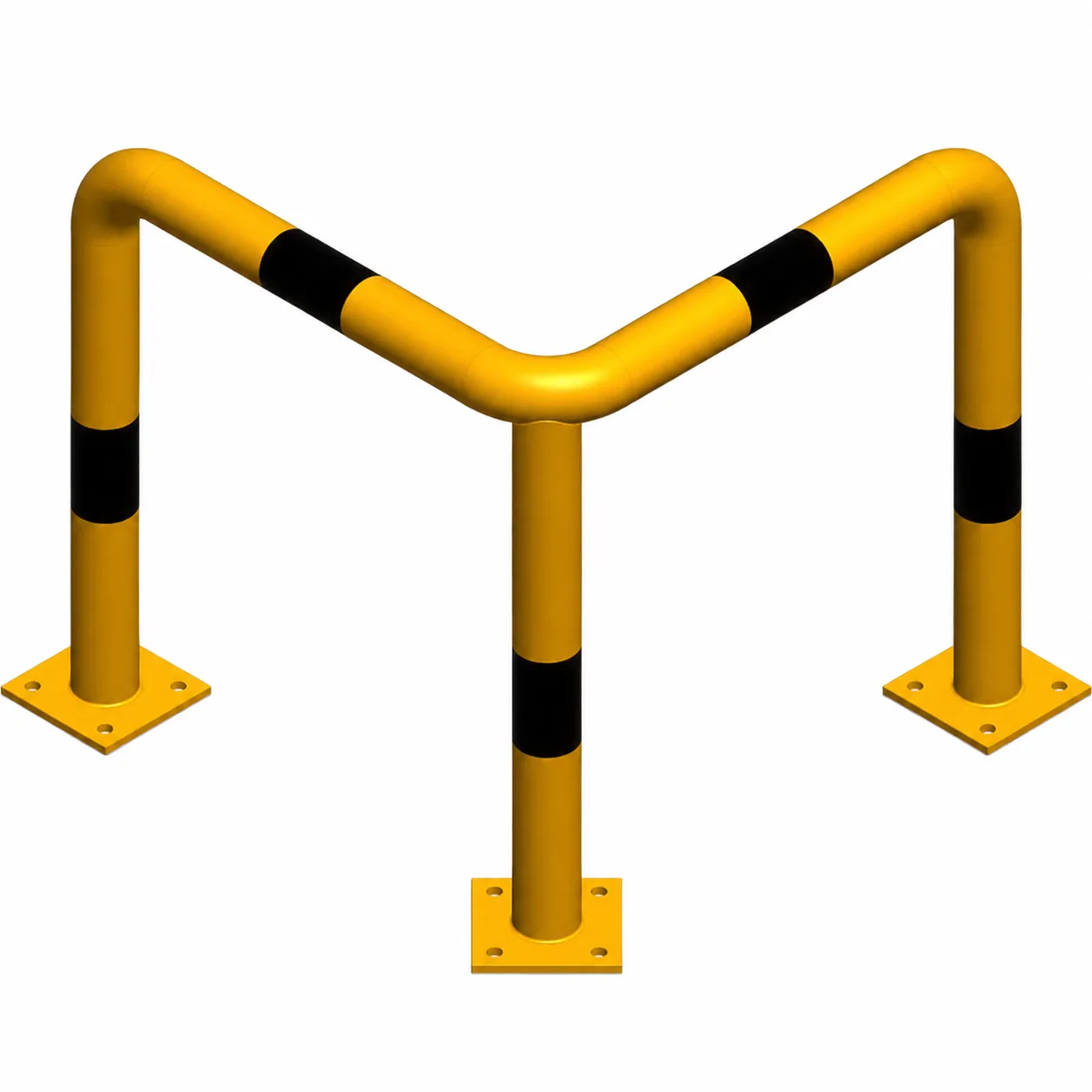
Protection for corner-traffic protection
Corner protection and traffic protection prevent damage to walls, pillars and equipment in areas of intense circulation. They are simple solutions, used in warehouses, parking lots, halls and commercial spaces, which reduce the damage caused by the daily impact and increase the level of safety.
In short: rubber, polymer or metal protections, chosen after the level of impact, type of traffic and the environment of use.
Do you need help choosing?
Tell us what you need and we'll send you the offer on the same working day.
The appropriate size shall be determined according to the height of the protected area, type of traffic and impact intensity, and the material shall be chosen after the level of impact and the environment in which protection, indoor or outdoor, will be used. The protections can also be mounted on concrete and require very little maintenance, only regular checking of the catch systems. In the long term, they reduce maintenance costs and protect walls, pillars and equipment.
Corner and traffic protection reduce damage caused by impact and increase safety in warehouses, parking lots, halls and commercial spaces.
Corner protection and traffic protection are essential elements to prevent damage to walls, pillars and equipment in areas of intense circulation. Choosing the right material and size helps to reduce maintenance costs and increase safety.
Corner protection and traffic protection – Complete guide for choosing the right solution
Protection for the corner and traffic protection They are simple, but extremely effective solutions to prevent damage caused by daily impact. In warehouses, industrial halls, parking lots, shopping centers, hospitals or even residential buildings, the corners and areas exposed to intense traffic are among the most vulnerable constructive elements.
A repeated impact of carriages, pallet trucks, motor trucks or motor vehicles can result in significant costs of repair and interruption of the activity. Therefore, the installation of dedicated protections is a smart investment.
In this guide you will find out what the protection for the corner is, how it works, what types there are, which are the advantages and how you choose the right option depending on the environment of use.
What is the protection for the corner?
Protection for the corner is a protective element made of shock-resistant materials, mounted on the sides of walls, pillars or columns to absorb the impact produced by vehicles or equipment.
The main purpose is:
- protection of construction;
- preventing damage to equipment;
- reduction of maintenance costs;
- increase safety in workspaces.
In many applications, corner protection is part of a complete system of traffic protection, along with barriers, stoppers and protective fences.
What is traffic protection?
Traffic protection includes all elements intended for the separation and protection of areas covered by pedestrians, machinery or motor vehicles.
These systems are used in:
- Logistical storage;
- factories;
- commercial centres;
- parking spaces;
- hospitals;
- schools;
- administrative buildings;
- aeroporturi.
Their role is to reduce the risk of accidents and limit damage caused by collisions.
How does it work?
Protections are designed to absorb impact energy.
Elastic materials such as rubber or technical polymers dampen shocks, while metal structures distribute impact force and protect infrastructure.
Depending on the application, they may be mounted:
- on walls;
- on the corners;
- by posts;
- at the basis of the industrial shelves;
- in the law of ports;
- in parking lots;
- in loading-discharge zones.
Why is corner protection important?
The corners are the first elements hit in spaces with intense traffic.
Without protection, they frequently appear:
- cracks;
- unopened dimples;
- damaged concrete;
- the deformation of the pillars;
- High repair costs.
In the industrial environment, the deterioration of a post may affect the structure of the hall or nearby installations.
Advantages of traffic protection
Using a complete system offers many benefits:
- Reduces maintenance costs
- Extends the life of construction
- Protects industrial equipment
- Increases employee safety
- Accidental warning
- Clearly delineate traffic areas
- Compliance with occupational safety requirements
- Minimum maintenance required
Types of corner protections
Rubber protection
They are the most used in parking lots and commercial spaces.
Advantage:
- absorbs shock very well;
- are flexible;
- it resists moisture;
- have high visibility due to reflective strips.
Polymer protections
Recommended for modern storage.
These are:
- resists repeated impact;
- do not rust;
- have a long lifespan;
- It supports temperature variations.
Metallic protection
They are used in areas with very heavy traffic.
I can protect:
- structural posts;
- industrial shelves;
- machinery;
- Industrial gates.
Types of traffic protection
Among the most widely used systems are:
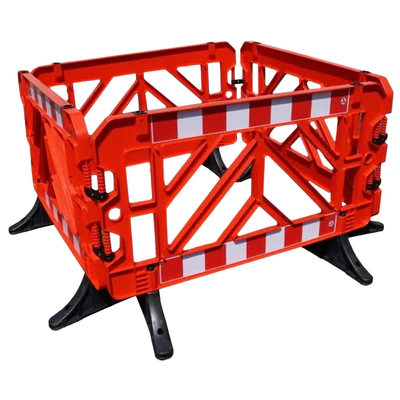
- protective barriers;
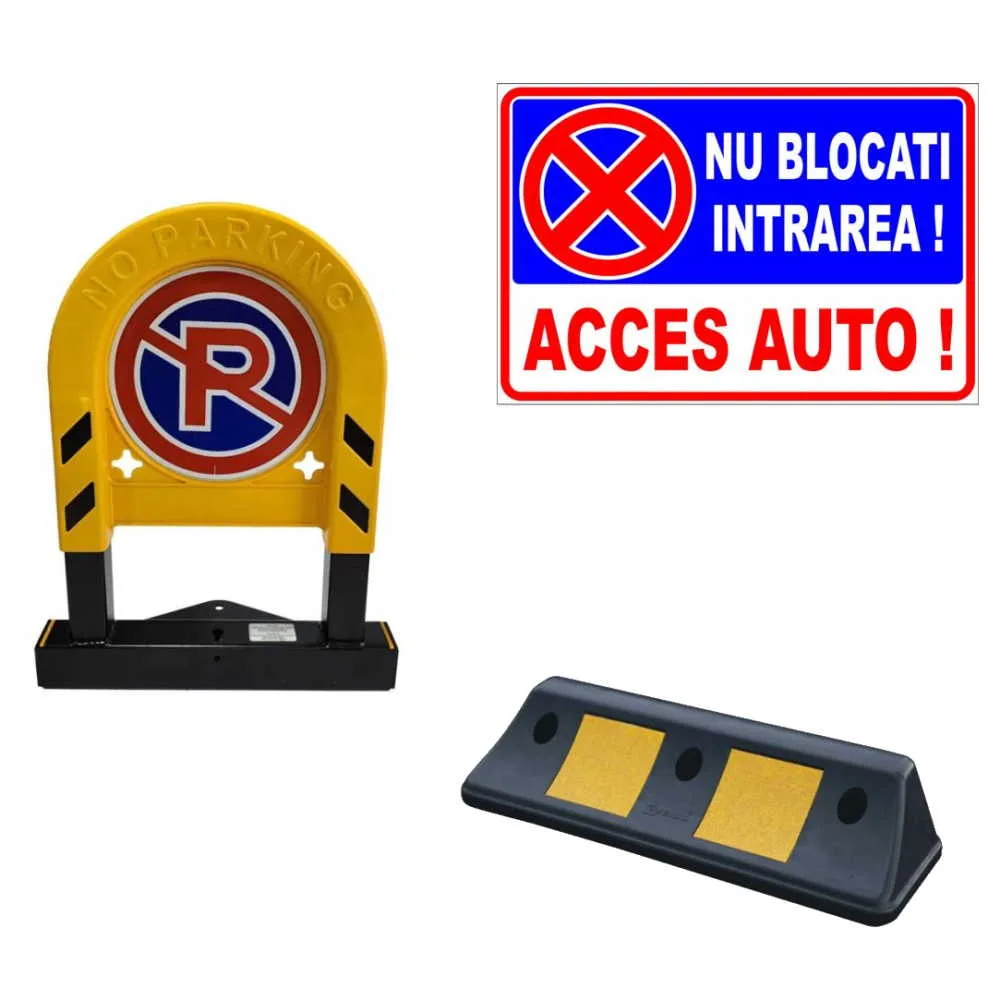
- Industrial feces;
- wheel stoppers;
- Speed bumps;
- protection posts;
- protections for shelves;
- protections for columns;
- industrial railings.
Difference between corner protection and traffic protection
Although complementary, the two products have different roles.
Protection for the corner has a point role and protects the muscles exposed to the impact.
Traffic protection is a broader system designed to organise the movement and protection of the infrastructure as a whole.
Frequent errors in choice
Among the most common mistakes are:
- the choice of an inappropriate material;
- the assembly without suitable grips;
- ignoring the intensity of traffic;
- utilizarea unor produse pentru interior în exterior;
- Lack of reflective markings in parking lots.
These errors can reduce the efficiency of the system and can generate additional costs.
How do you choose right?
Before purchasing it is recommended to analyse:
- the type of traffic;
- the frequency of impacts;
- the weight of the machinery;
- the environment of use;
- climate conditions;
- the area available;
- assembly method.
For industrial halls, robust solutions of steel or technical polymer are recommended, while for parking and commercial spaces rubber protections offer an excellent ratio between cost and performance.
Professional advice
Specialists recommend:
- the protection of all exposed corners;
- mounting barriers around the pillars;
- periodic verification of the fastening elements;
- selection of products certified for industrial use;
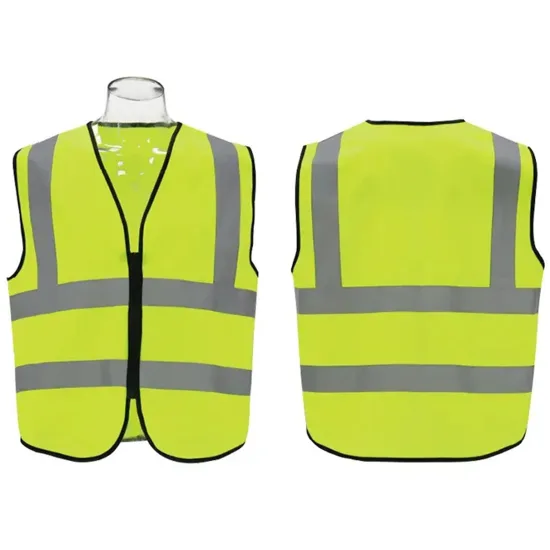
- use of black-yellow colours for maximum visibility.
Example of use
The protections are used successfully in:
- logistics centre;
- automatic storage;
- supermarkets;
- underground parking;
- hospitals;
- schools;
- airports;
- factories;
- hotels;
- office buildings.
Recommendations
For optimal results:
- select products made from impact-resistant materials;
- verify the possibility of replacing the components;
- opt for modular systems;
- Mount the protections before the space is put into operation;
- consult a specialist for areas with intense traffic.
Conclusion
Investment in a Protection for the corner and in an effective system of traffic protection It significantly reduces infrastructure damage, contributes to people's safety and limits long-term maintenance costs. The choice of appropriate products must be made according to the type of traffic, the level of impact exposure and the specific nature of each project.
BENEFICII COMERCIALE
- Reduces the repair costs of walls and pillars.
- Protect machinery and infrastructure.
- Increases the safety of employees and visitors.
- Reduces the risk of accidents in areas of circulation.
- Resists repeated impact and intense wear.
- Mount quickly and require minimum maintenance.
- Improves the appearance and organization of space.
- It offers a long-term investment.
FAQ
What is the protection for the corner?
It is an element intended to protect the corners of walls and pillars against blows and wear.
Where do the corner protections stand?
In warehouses, parking lots, industrial halls, shopping centers, hospitals and other areas with intense traffic.
What materials are they made of?
The most common are rubber, technical polymers and steel.
What is the difference between corner protection and traffic barriers?
Corner protection protects the muchia, and barriers delineate and defend whole areas.
Are they externally resistant?
Yes, if they are made of UV resistant materials, humidity and temperature variations.
Can they be mounted on the concrete?
Yeah. Most models are designed for mounting on concrete, brick or metal.
How do I choose the right size?
Depending on the height of the protected area, type of traffic and impact intensity.
Need maintenance?
Very little. It is only recommended that the catch systems be periodically checked.
Corner protection and traffic protection contribute to preventing damage, reducing maintenance costs and increasing safety in areas with heavy traffic. Choosing the right solution depends on the level of impact, the type of traffic and the environment in which it will be used.