Planting plant
The plant plant delimits and secures work areas, reduces dust spread and protects people around. It is one of the most used temporary protection elements in construction, from residential projects and office buildings to infrastructure and renovations.
In short: shade nets, warning oranges, for skeletons or for temporary trimmings, chosen after the project and the desired protection.
Do you need help choosing?
Tell us what you need and we'll send you the offer on the same working day.
The right model is chosen after the size of the project, the degree of shadow, mechanical strength, UV protection and mounting mode. The orange net has a warning role, the one for the skeletons offers protection in the skeleton area, and the temporary net for the enclosures delimits the perimeter of the work. The requirements differ according to the legislation and type of work, but a strong, well-fitted and project-adapted network increases safety and helps to comply with security requirements.
It discovers how a plant network contributes to the protection of the yard, the safety of workers and the reduction of risks by choosing the right solution.
Planting plant is a solution used for the delimitation and security of work areas, the reduction of dust spread and the protection of people around them. The choice of the appropriate model depends on the size of the yard, the level of protection required and the conditions of use.
Planting plant is one of the most widely used elements of temporary protection in construction. Whether it's a residential project, office building, infrastructure work or renovations, it helps to delineate the workspace and increase the level of safety.
In addition to the protective role, the plant plant reduces the dispersion of dust, improves the organisation of the plant and provides an effective visual barrier. In this guide you will find out what is a planter's net, how it works, what types there are, which are its advantages and how to choose the right option for your project.
What is a planter's net?
Planting plant is a material made, as a rule, of high density polyethylene (HDPE), designed to cover and protect areas where construction works are carried out.
This is mounted on temporary fences, metal skeletons or temporary structures and has several roles:
- the delimitation of the working space;
- reducing dust;
- protection of pedestrians;
- limiting access to unauthorised persons;
- decrease the visual impact of the yard.
How does it work?
A construction site creates a flexible barrier that allows air to circulate, but reduces the spread of dust particles and resulting debris during work.
Modern materials are treated against UV radiation and are resistant to:
- rain;
- wind;
- high temperatures;
- ice cream;
- long-term use outside.
The assembly is made quickly with collars, flanges or special fastening systems.
Why is it important?
Use of a plant plants It is not only a practical measure, but also one that contributes to compliance with labour security and environmental protection rules.
Key benefits include:
- reduction of accidents;
- limiting access to hazardous areas;
- reducing the spread of dust;
- the efficient organisation of the yard;
- protection of stored materials.
In urban projects, where pedestrian circulation is intense, these advantages become essential.
Advantages of using a yard plant
A quality network offers many benefits to both the builders and the project beneficiaries.
Increased protection
It helps prevent accidents by clearly demarcating work areas.
Reduction of dust
Micsorate the dispersion of particles in the surrounding areas.
Weather resistance
Modern materials keep their properties even after long exposure.
Quick assembly
It can be installed and dismantled without special equipment.
Reduced cost
Compared to other temporary protection systems, it is an affordable investment.
Types of plant net
There are several variants, each intended for a particular type of project.
Shading net for the construction site
Reduces visibility and limits the spread of dust.
It is commonly used on:
- Shells;
- temporary feces;
- buildings under renovation.
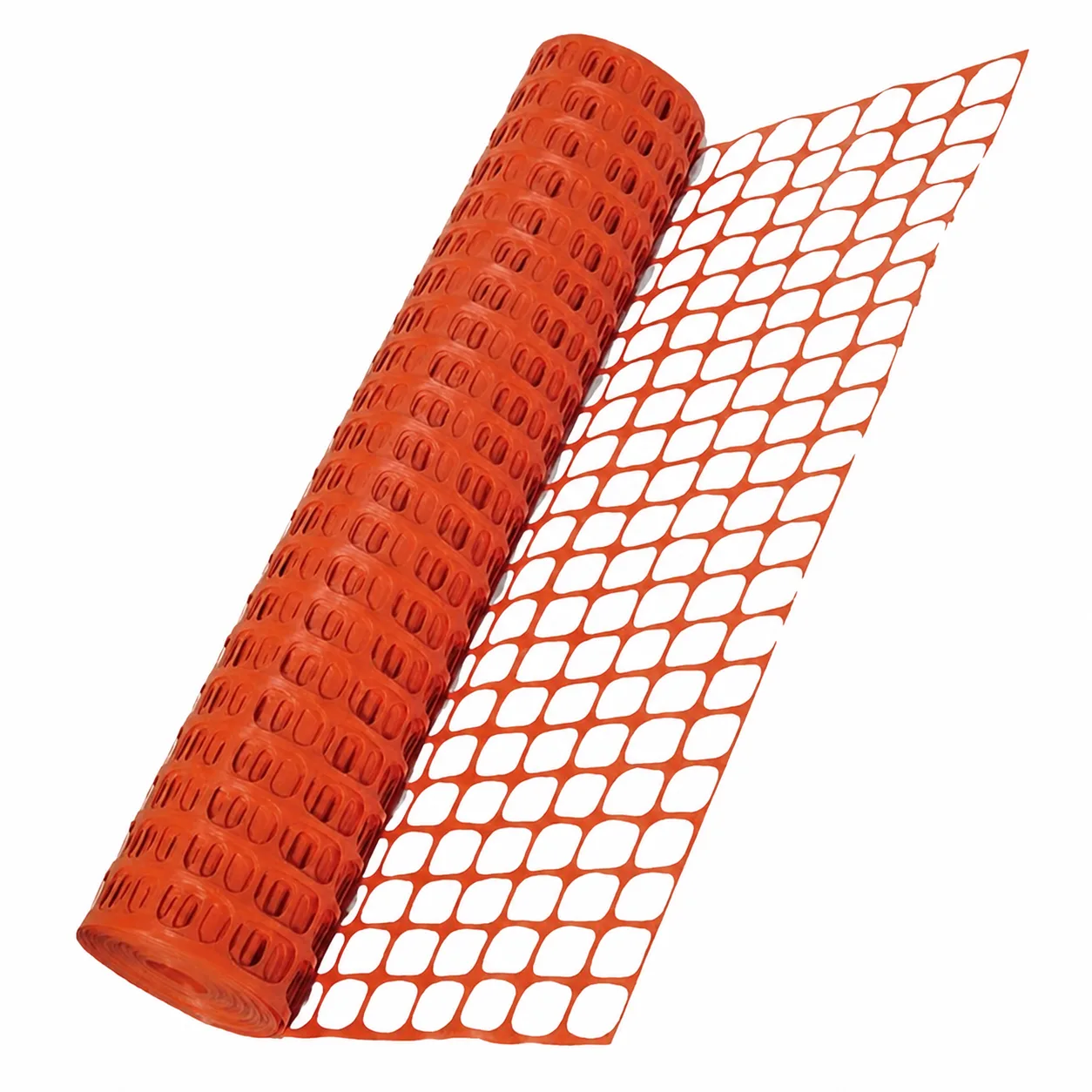
Orange warning net
Used for:
- delineation of road works;
- excavations;
- Risk zone.
It's remarkable for its very good visibility.
Skeletal protection net
It is designed for:
- retention of small objects;
- the protection of workers;
- reducing the risk of material falling.
Plasma for temporary storage
Ideal for:
- residential construction sites;
- agricultural works;
- temporary events.
Differences between the main variants
| Type | Main use | Advantage |
|---|---|---|
| HDPE mesh | General protection | High resistance |
| Orange net | Delimitation | High visibility |
| Skeletal net | Safety | Retain the remains |
| Shadowing net | Reduction of dust | Visual comfort |
Common errors
Even if it seems like a simple product, the wrong choice can reduce the effectiveness of protection.
The most common errors are:
- the choice of an inappropriate density;
- insufficient fixation;
- the assembly without tension;
- the use of a damaged net;
- ignore UV resistance.
How do you choose a planter's net correctly?
Before purchasing it is recommended to analyze more criteria.
Project size
Large yards require more resistant materials and expanded surfaces.
Shadow Degree
Models can have a shade degree between 35% and over 90%.
Mechanical resistance
High-density nets are recommended for areas with strong winds.
UV protection
Ensures a longer life span.
Mounting module
Check if the product allows for fast and safe installation.
Professional advice
Specialists recommend:
- periodic verification of catch systems;
- immediate replacement of damaged nets;
- the selection of certified products;
- use of compatible accessories;
- uniform tension for optimum resistance.
These measures increase the duration of use and efficiency of the system.
Real example of use
Residential buildings
Protect the neighbourhoods from dust and delineate the working area.
Face renewals
It is mounted on the scales to retain the remains resulting from the work.
Road works
It shall ensure the delimitation of the yard and the warning of participants in traffic.
Industrial projects
Control access and organize workflows.
Recommendations
For optimal results:
- choose products manufactured from UV stabilized HDPE;
- verify the density and strength of the material;
- Mount the net according to the manufacturer's recommendations;
- use quality fastening accessories;
- periodically inspect its condition.
An investment in a sustainable construction site contributes to increasing safety and reducing the costs of frequent replacements.
Conclusion
Planting plant is an indispensable component for any construction project, regardless of size. It provides protection, contributes to compliance with safety rules and reduces the impact of work on the environment. The choice of a quality product, adapted to the requirements of the project, ensures efficient operation and a long duration of use.
BENEFICII COMERCIALE
- Reducing the risk of accidents on the site.
- Efficient delineation of work areas.
- Protection against dust and debris.
- High resistance to weather and UV rays.
- Installation and rapid dismantling.
- Reduced maintenance costs.
- Long duration of use.
- Adaptability for projects of any size.
FAQ
What is a planter's net?
It is a material used for the delimitation and protection of areas where construction works are carried out.
What material is made of?
Most models are made of high-density polyethylene (HDPE), UV resistant.
What role does the planter's net have?
It protects the yard, reduces the spread of dust and limits access to unauthorized persons.
How long does it last?
Life expectancy depends on the quality of the material and the conditions of use, which may exceed a few years in the case of UV stabilised products.
How do you mount it?
Attach with flanges, collars or special systems to the fences and skeletons.
What density is recommended?
For ordinary construction sites medium or high density plants are recommended, depending on the level of protection required.
Can it be reused?
Yes, if properly maintained and not damaged.
Is it mandatory on all yards?
The requirements differ according to the legislation and type of work, but its use is frequently recommended for increased safety.
Planting plant is an effective solution for the delimitation and protection of construction areas, dust reduction and increased safety. Choosing a strong, properly-mounted and project-friendly network contributes to the optimal performance of the work and to compliance with security requirements.