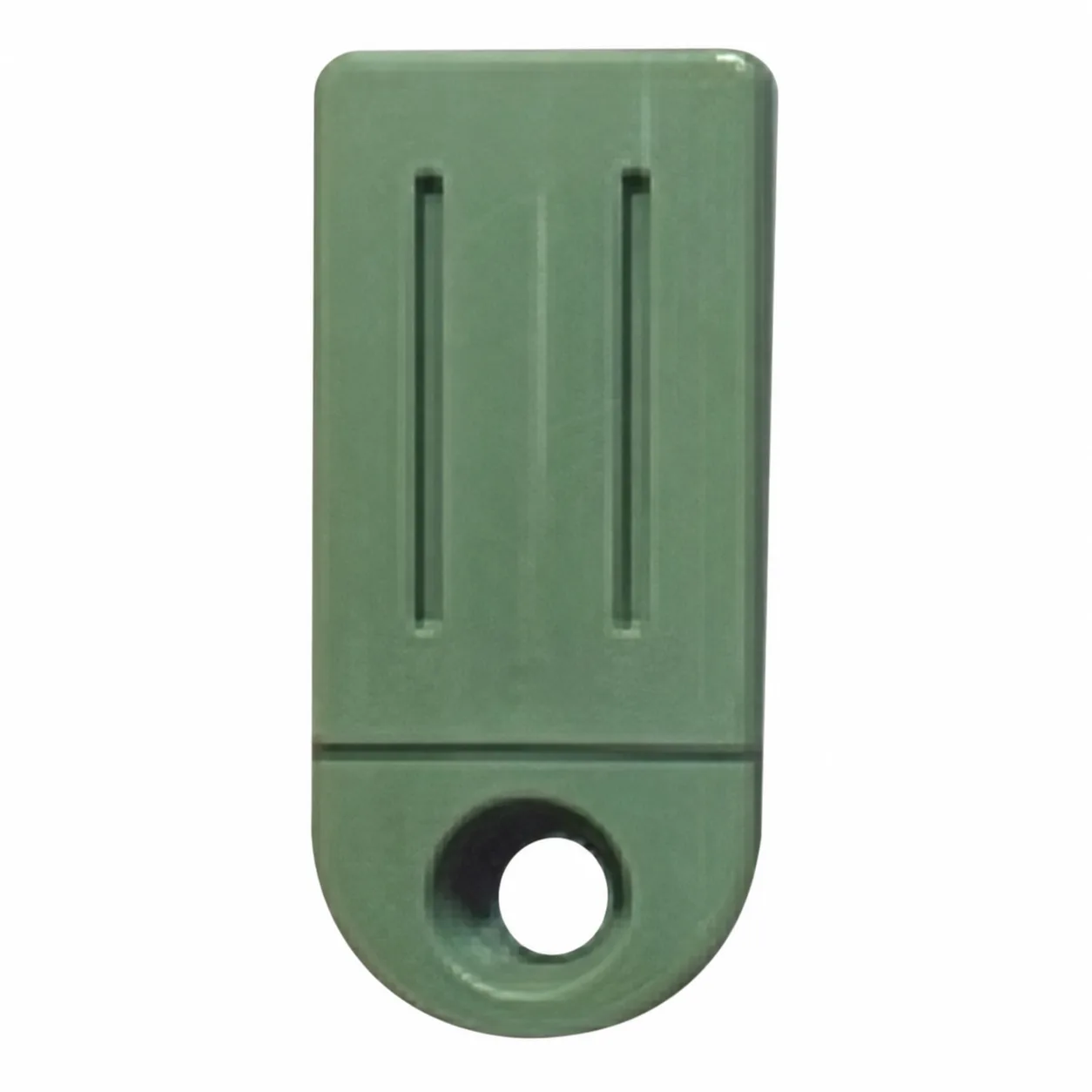
Anti-orbital panou
The anti-orbiting panel shall be mounted on the direction separators, on the headlights or on the side of the road to reduce the blinding effect of the headlamps of the opposite direction. Improves visibility at night, increases road safety and reduces the risk of accidents caused by temporary blindness.
In short: vertical, modular, flexible or polycarbonate panels, chosen after road type, traffic, material and compatibility.
Do you need help choosing?
Tell us what you need and we'll send you the offer on the same working day.
For choice, analyse the type of road and traffic intensity, then the material, compatibility with existing infrastructure and product certifications. Anti-orbiting panels are not just for motorways: they are also used on national roads, express roads, bridges, passages and in other areas with intense traffic. A strong, properly mounted model works effectively for many years and offers superior visual comfort to all traffic participants.
The anti-orbiting panel reduces the effect of powerful lights and improves visibility. Discover the available types and choice criteria.
The anti-orbiting panel is a protective system mounted on the direction separators, headlights or roadside to reduce the blinding effect of the headlamps of the opposite direction. It improves visibility, increases road safety and helps to reduce the risk of accidents at night.
Anti-orbiting panel – full guide on the role, advantages and choice of the right solutionIntroduction
Anti-orbiting panel is one of the modern road safety elements that directly contributes to the reduction of accidents caused by temporary blindness caused by the headlights of the opposite motor vehicles. Although it is often overlooked, this system plays an important role on highways, national roads, traffic belts and other roads with intense traffic.
In this guide you will find out what is an anti-orbiting panel, how it works, where it is used, what types exist and what criteria should be taken into account when choosing an effective solution. You will also discover the practical advantages, frequent mistakes and recommendations of specialists for public or private projects.
What is an anti-orbiting panel?
Anti-orbiting panel is a device made of resistant materials, normally fitted to the median or directional separators, in order to limit direct light from the headlamps of vehicles running in the opposite direction.
It does not completely block the light, but filters it and prevents the light beam from reaching directly into the driver's field of view.
The use of anti-orbiting panels is recommended in particular on:
- motorways;
- express roads;
- national roads;
- bridges and viaducts;
- areas with intense traffic;
- Dangerous curves.
How does an anti-orbiting panel work?
The principle is simple.
The panel creates a visual barrier between the two directions of circulation without affecting the visibility of the carousel.
Its structure is designed so that:
- stop the beam of light directly;
- allow air to flow;
- resist the wind and the weather;
- reduce the blindness effect without creating visual obstacles.
The materials used are generally:
- Polyethylene HDPE;
- UV resistant PVC;
- Polycarbonate;
- Composite materials.
Why is an anti-orbital panel important?
Driving at night involves a series of challenges, and the blindness caused by modern LED or Xenon lights is one of the most frequent causes of temporary loss of visibility.
An anti-orbiting panel contributes to:
- increasing road safety;
- reduction of visual fatigue;
- reducing the risk of frontal accidents;
- improving comfort during driving;
- maintaining the driver's attention to the driver's carousel.
These benefits are important for both car drivers and road infrastructure managers.
Advantages of using anti-orbiting panels
The implementation of an anti-orbiting system brings many benefits.
Reduction of blindness effect
Vehicle headlamps no longer directly affect the driver's visual field.
Increased road safety
Better visibility means a more effective reaction time.
Long lifespan
Modern materials last for years without significant maintenance.
Weather resistance
The panels are designed for:
- UV rays;
- rain;
- snow;
- hailin,
- Extreme temperatures.
Quick assembly
Most systems are compatible with existing metal mats.
Types of anti-orbiting panels
Depending on the application and infrastructure, there are several variants.
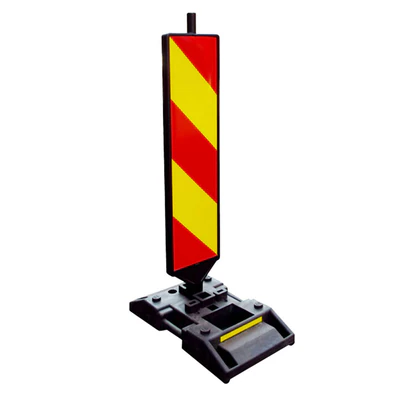
Vertical panels
Most used on highways.
Provides very good protection against vehicle headlights.
Modular panels
Allow rapid replacement of damaged items.
They're preferred in major infrastructure projects.
Flexible panels
It resists impact and deformation better.
It needs low maintenance costs.
Polycarbonate panels
They have a high mechanical strength and a long duration of operation.
Anti-orbiting panel vs. other protective solutions
It is important not to be confused with other road equipment.
| Solution | Main role |
|---|---|
| Anti-orbital panou | Reduce Light Lights |
| Metal parapet | Protect against impact |
| Protective fencing | Prevents access to pedestrians or animals |
| Sound absorbent panu | Reduce traffic noise |
These systems are complementary and respond to different needs.
Frequent errors in choosing an anti-orbiting panel
The exclusive choice based on price can lead to higher long-term costs.
Other mistakes encountered are:
- the choice of a material without UV protection;
- incompatibility with the existing parapet;
- improper assembly;
- the use of an inappropriate model for high speeds;
- ignore the technical requirements of the project.
How do you choose an anti-orbital panel correctly?
Prior to purchase, consider some key aspects.
Road Type
The highways require different products compared to the county roads.
Traffic volume
Heavy traffic can impose materials with superior resistance.
Material
Choose products resistant to:
- UV radiation;
- corrosion;
- extreme temperatures;
- Mechanical impact.
Compatibility
Check the catch system and parapet dimensions.
Certifications
It shall opt for products which comply with the technical standards and requirements applicable to infrastructure projects.
Professional advice
Specialists recommend:
- use of certified products;
- verification of UV resistance;
- the choice of modular systems for easy maintenance;
- the assembly carried out in accordance with the manufacturer's specifications;
- periodic inspections in areas with heavy traffic.
Investment in a quality product reduces operating costs and increases the duration of use.
Example of use
Anti-orbiting panels are frequently used in:
- motorways;
- express roads;
- Road crossing;
- bridges;
- oscillating belts;
- industrial parks;
- Logistic platforms;
- access areas at terminals and airports.
These applications demonstrate the efficiency of the system in environments with intense traffic and constant exposure to difficult conditions.
Recommendations
When choosing an anti-orbiting panel:
- prioritises the quality of materials;
- verify the resistance to local climatic conditions;
- require technical documentation and certification;
- compare the total operating cost, not just the purchase price;
- cooperate with suppliers specializing in road safety equipment.
A well-chosen solution provides long-term performance and contributes to safer traffic.
Conclusion
Anti-orbiting panel represents an efficient investment in road safety, reducing the effect of blinding lights and improving the visual comfort of drivers. Choosing a sustainable, infrastructure-friendly and properly installed product contributes to reducing the risk of accidents and increasing the overall level of safety on busy roads.
Commercial benefits
- Reduces the risk of accidents caused by temporary blindness.
- Improves the visual comfort of drivers.
- High UV resistance and difficult weather conditions.
- Reduced long-term maintenance costs.
- Quick mounting on most metal parapets.
- It's a long time to operate.
- Compatible with new or existing road infrastructure projects.
- It shall contribute to compliance with road safety requirements.
- Effective solution for roads with intense traffic.
- Uniform aspect and aesthetic integration in road infrastructure.
FAQ SEO
What is an anti-orbiting panel?
It is a road safety element that reduces the blinding effect of headlamps of vehicles of the opposite direction.
Where are the anti-orbiting panels mounted?
On the separators of meaning, the median parapets, bridges, viaducts and roads with intense traffic.
What materials are they made of?
Most commonly HDPE, polycarbonate, UV resistant PVC or composite materials.
Anti-orbiting panels require maintenance?
Yes, but maintenance is minimal and consists of periodic inspections and replacement of damaged items.
Are they effective at night?
Yeah. Their main role is to reduce the effect of strong lights from opposite-way vehicles.
Can they be mounted on existing parapets?
In most cases, yes, if the catch systems are compatible.
How long does an anti-orbital panel last?
Life expectancy depends on the material and operating conditions, but quality products can function effectively for many years.
Are they recommended only for highways?
No, no. They can also be used on national roads, express roads, bridges, passages and other areas with intense traffic.
An anti-orbiting panel reduces the direct light of the opposite direction vehicle headlamps and improves visibility at night. Choosing a robust model, compatible with existing and properly assembled infrastructure contributes to increased road safety and superior visual comfort for all traffic participants.