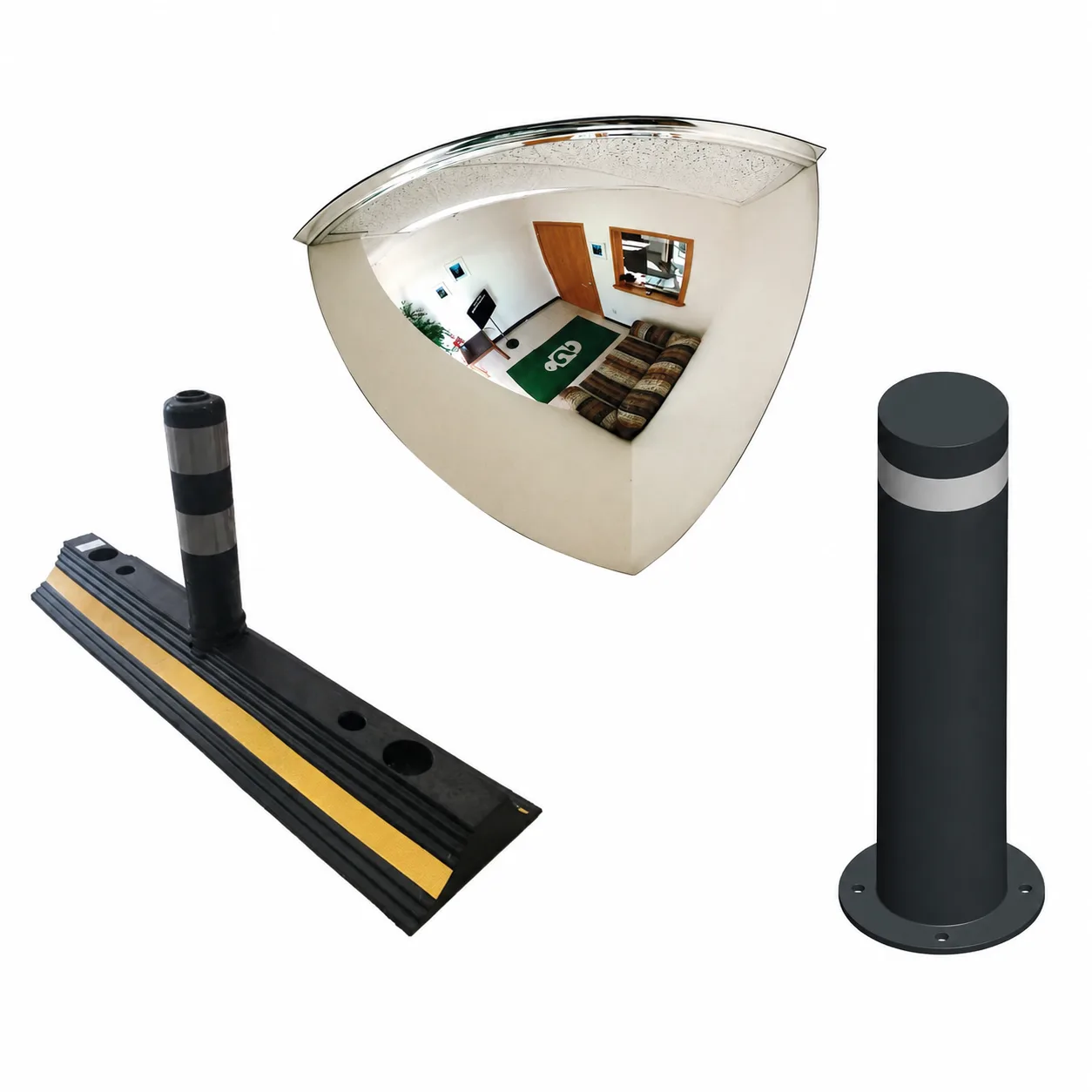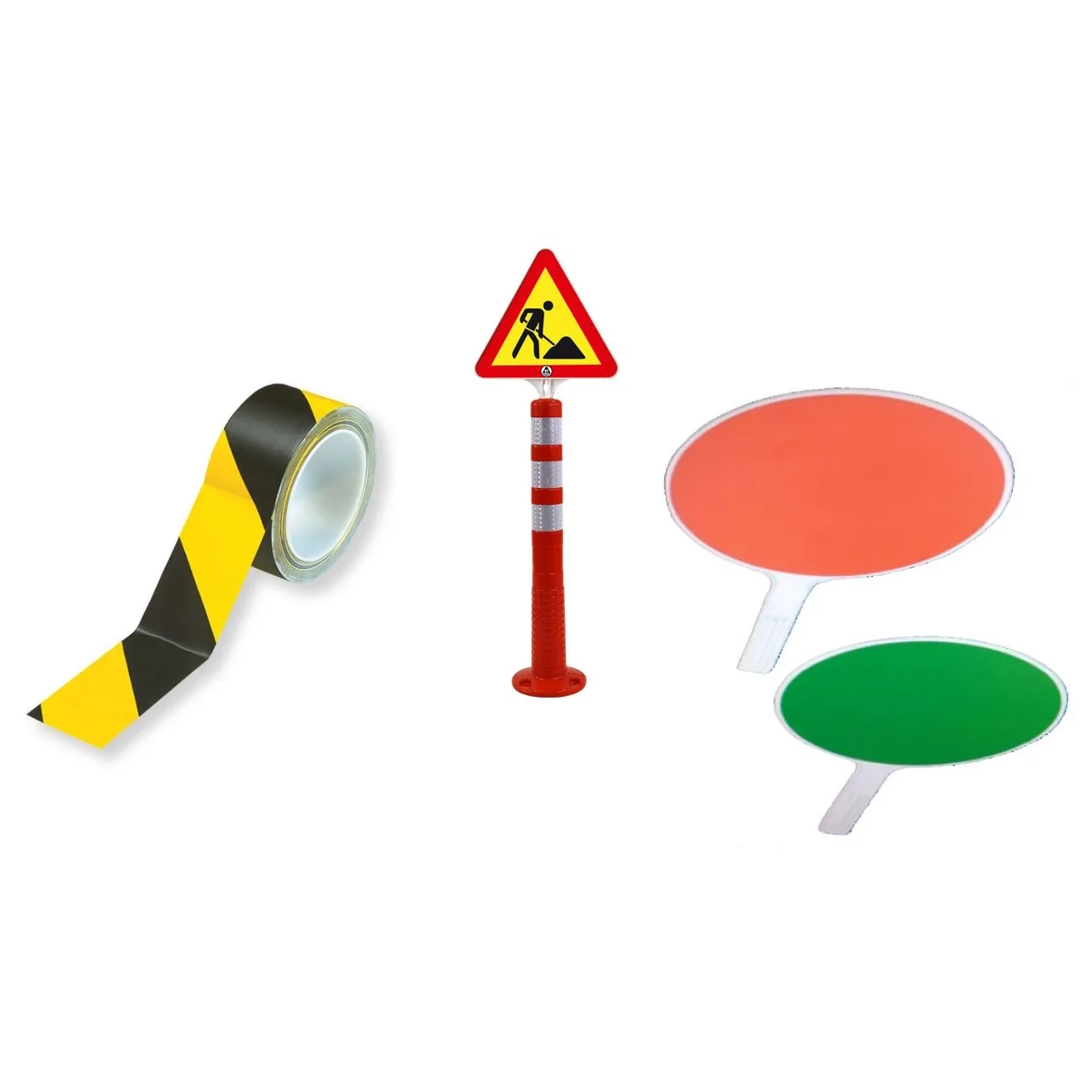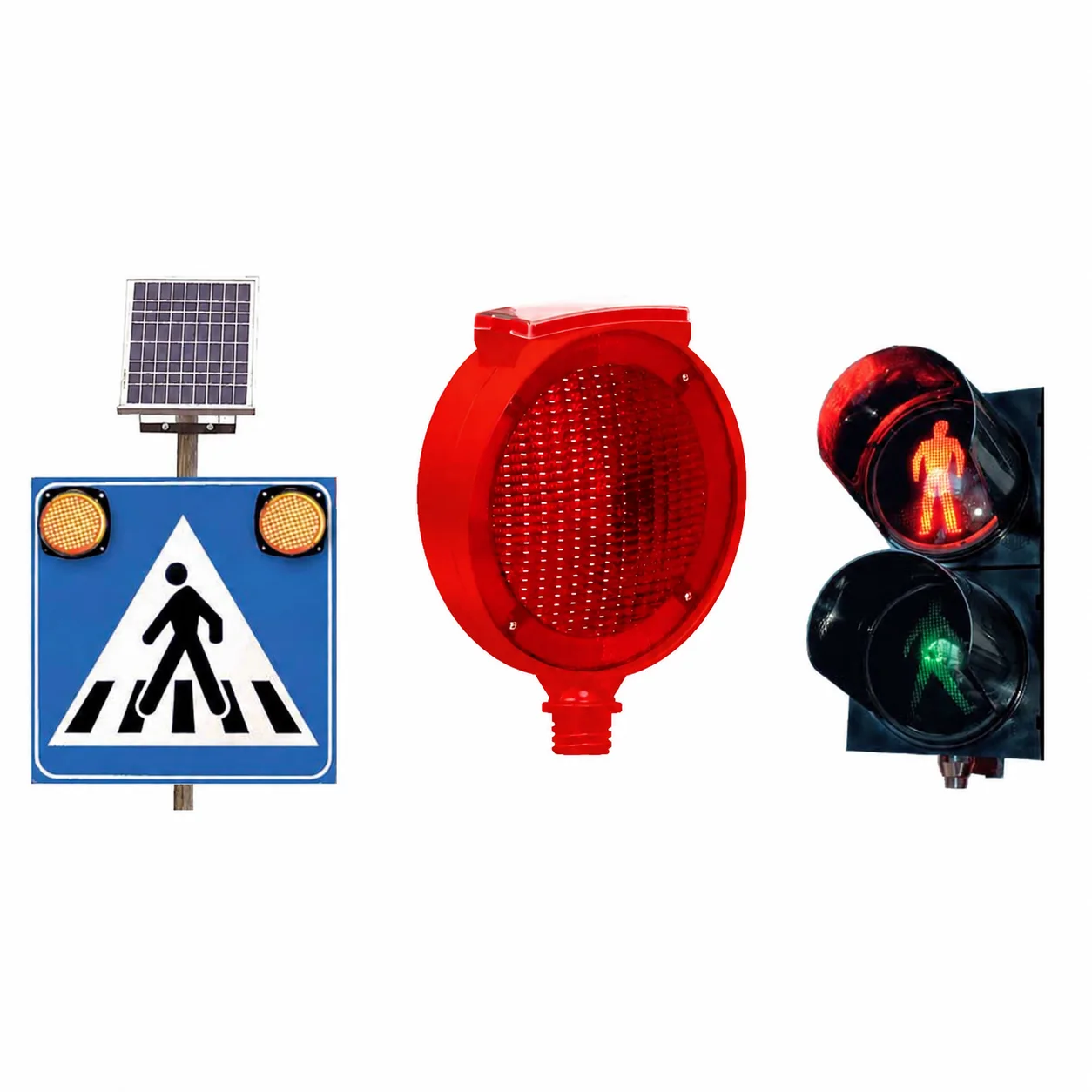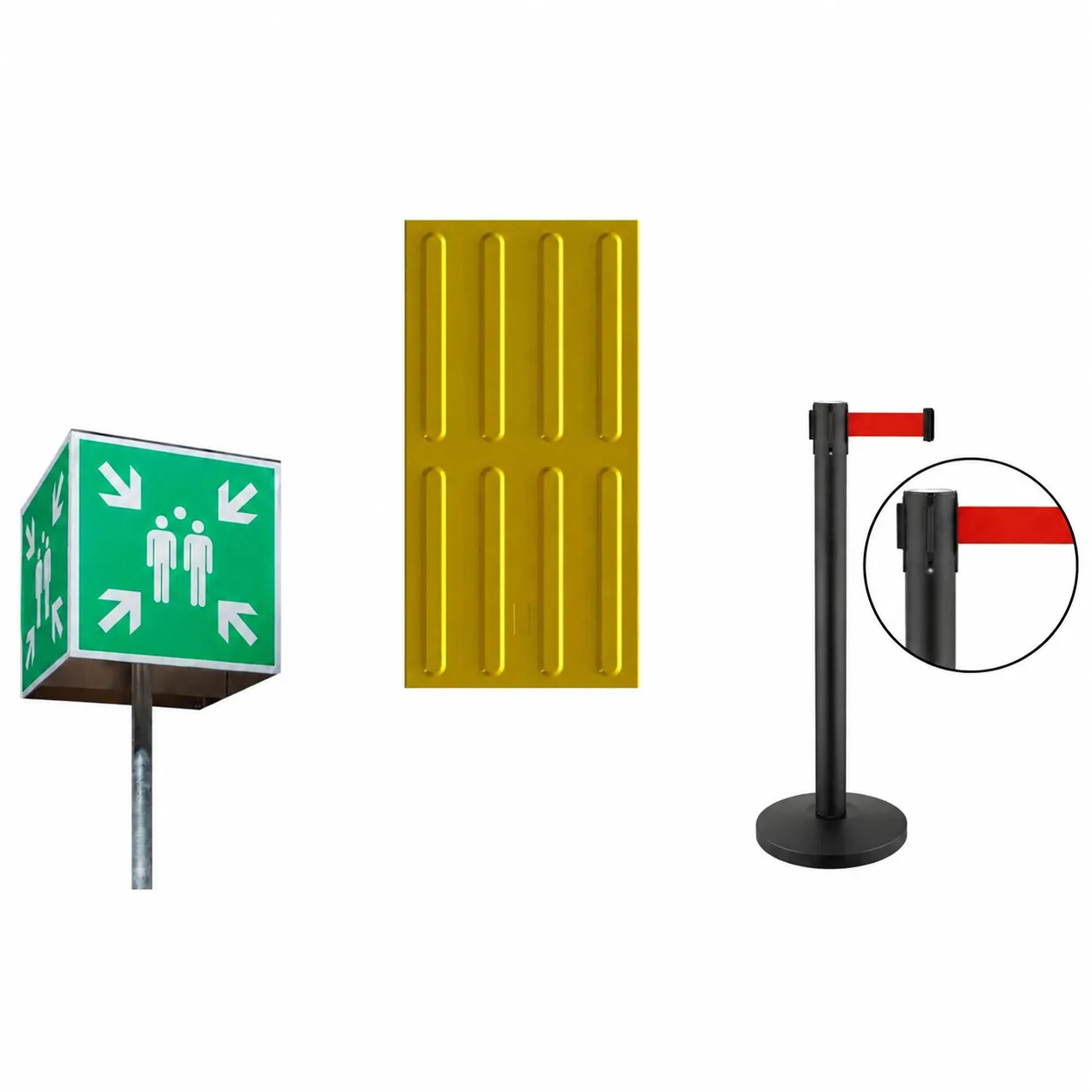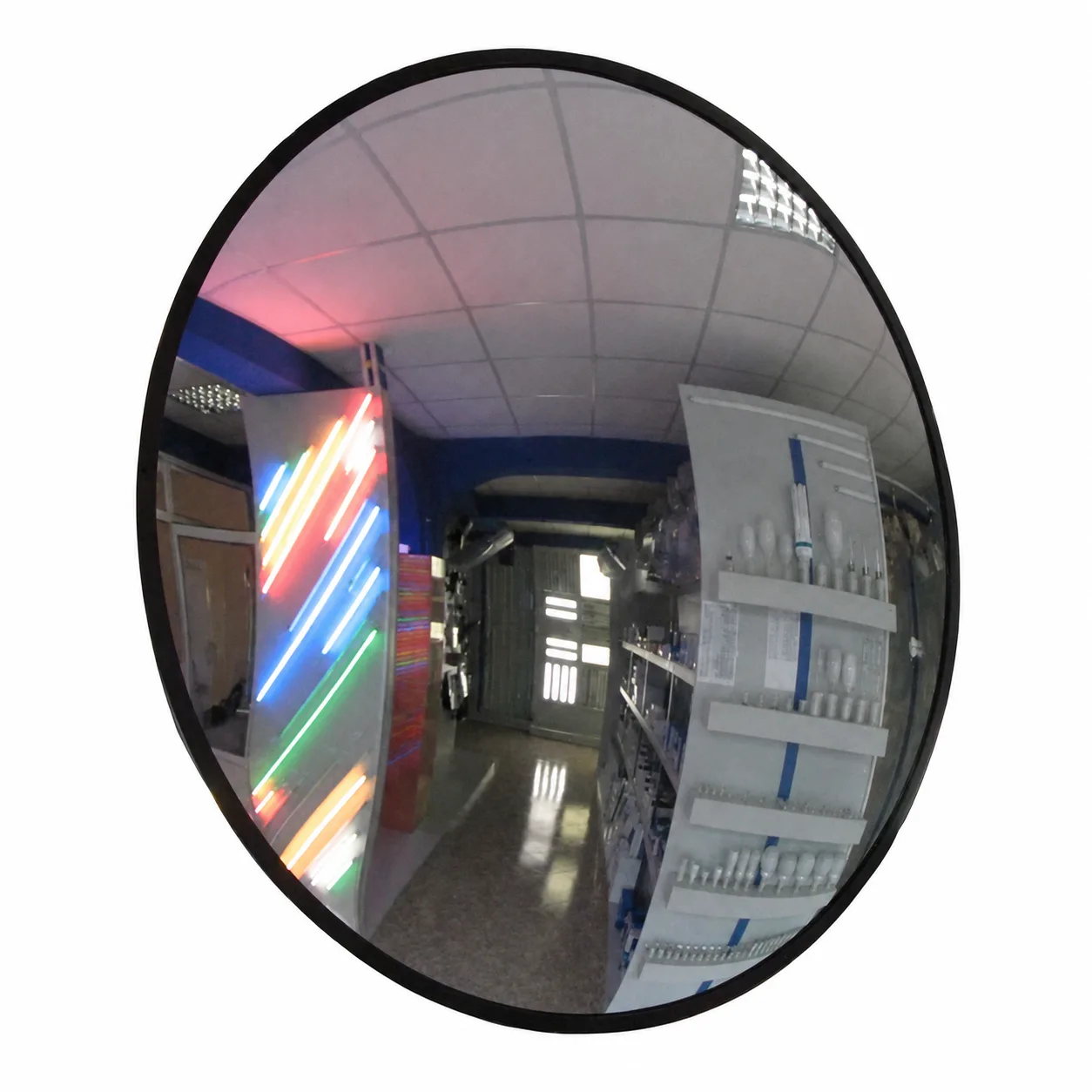
Monitoring mirror
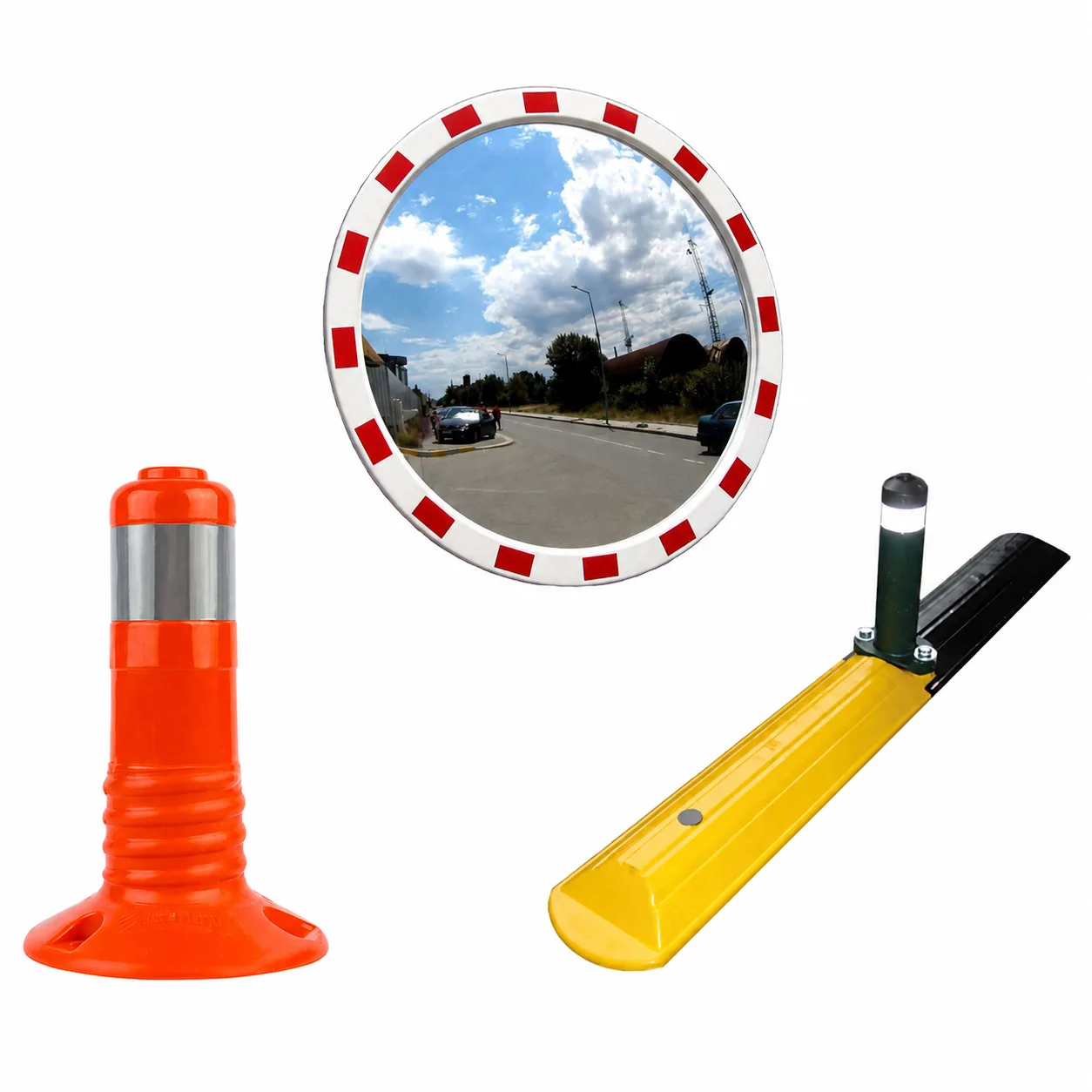
The surveillance mirror improves visibility in areas with dead angles and reduces the risk of accidents, thefts and incidents. It is used in shops, warehouses, parking lots, industrial halls and intersections as an accessible solution for monitoring and preventing hazards.
In short: mirrors for interior, exterior or industrial, with the size chosen after space and the distance of observation.
Do you need help choosing?
Tell us what you need and we'll send you the offer on the same working day.
The model shall be chosen according to the use space, its size and the observation distance. The interior mirrors are suitable for shops and warehouses, and the exterior and industrial mirrors are intended for parking spaces, halls and requesting areas. Most models include gripping systems and are quickly mounted on various surfaces, and maintenance consists of periodic cleaning and checking of fastening elements.
A surveillance mirror is a safety equipment that improves visibility in areas with dead angles, reducing the risk of accidents, thefts and incidents. It is used in shops, warehouses, parks, industrial halls and intersections for effective monitoring and hazard prevention.
A surveillance mirror provides visibility in hard-to-reach areas, contributing to the safety of people and the protection of goods in commercial and industrial spaces.
Surveillance mirror is one of the most efficient and accessible solutions for increasing safety in spaces where visibility is limited. Whether it is mounted in a shop, in a warehouse, in a parking lot or on a road with reduced visibility, it allows observation of areas that otherwise would remain hidden.
Beyond accident prevention, surveillance mirrors help to reduce theft losses, facilitate monitoring of human flow and increase the efficiency of daily activities. In this guide you will discover how a surveillance mirror works, what types exist, which are the advantages of each and how you can choose the right model depending on the environment in which it will be used.
What's a surveillance mirror?
A surveillance mirror is a convex mirror designed to extend the field of view to areas where visibility is limited. Its curved shape allows the observation of a much wider angle than an ordinary mirror.
These products are used for:
- the supervision of stores;
- removal of dead angles;
- colour monitoring;
- access control;
- accident prevention;
- increasing traffic or industrial safety.
How does a surveillance mirror work?
The principle is simple: the convex surface reflects the image on a much larger angle than a flat mirror.
Thus, the user can observe several directions simultaneously, without having to change the position.
Depending on the diameter of the mirror and the observation distance, it may cover a visual field of up to 160–180 degrees.
Modern materials, such as polycarbonate or impact-resistant acrylic, offer a clear picture and a long duration of use.
Why is it important?
Reduced visibility is one of the main causes of accidents and incidents in many areas.
A surveillance mirror contributes to:
- identification of persons in hidden areas;
- preventing collisions between vehicles;
- reduction of accidents at work;
- deterrence of theft;
- effective monitoring of customer flow.
In many commercial spaces, the mere presence of a surveillance mirror also has a preventive role, discouraging attempts to steal.
Advantages of a surveillance mirror
Among the most important benefits are:
- extended visibility in hard-to-reach areas;
- reduced cost compared to video systems;
- without power supply;
- minimum maintenance;
- Quick installation;
- weather resistance, in the case of external models;
- long-term.
These advantages make the surveillance mirror an effective solution for both occasional use and permanent applications.
Types of surveillance mirrors
Interior mirrors
They are used in:
- supermarkets;
- magazine;
- pharmacies;
- deposits;
- commercial centres;
- birouri.
These models are designed for protected spaces and provide very good clarity.
Exterior mirrors
The models intended for the exterior are made of materials resistant to:
- rain;
- UV rays;
- extreme temperatures;
- powder;
- Mechanical shocks.
They are used in:
- parking spaces;
- the intersections;
- private roads;
- loading ramps;
- Logistic platforms.
Industrial mirrors
These are designed for requesting environments and are frequently encountered in:
- factories;
- industrial halo;
- logistics centre;
- automated storage.
They allow the movement of machinery to be observed and reduce the risk of accidents between stackers and pedestrians.
Differences between the surveillance mirror and the video cameras
Although both contribute to safety, they have different roles.
Surveillance mirror:
- provide instant visibility;
- does not require electricity;
- does not record images;
- It's cost-effective.
Video camera:
- record events;
- allow remote monitoring;
- food and maintenance requirements;
- involves greater investment.
In many cases, the two solutions are complementary.
Common errors
A few errors often occur when choosing a surveillance mirror:
- choosing a diameter too small;
- the assembly at the wrong height;
- the use of an external interior model;
- ignoring the observation distance;
- positioning in a place where reflexes affect visibility.
Avoiding these mistakes contributes to an optimal visual field.
How do you correctly choose a surveillance mirror?
Before purchasing, it is recommended to analyse:
Space size
Large surfaces require mirrors with a larger diameter.
Installation site
The interior and exterior impose different characteristics on the strength of the materials.
Observation distance
Each model is recommended for a certain maximum distance.
Dead angle
Positioning shall completely remove areas without visibility.
Material
Polycarbonate is preferred in areas with intense traffic due to high impact resistance.
Professional advice
For optimal results:
- Mount the mirror to the height recommended by the manufacturer;
- check the catch system periodically;
- clean the surface without abrasive substances;
- avoid direct orientation to powerful light sources;
- select certified models for outdoor use when exposed to weather.
Real example of use
In a supermarket, a surveillance mirror mounted at the end of a shelf allows staff to quickly observe hidden areas and reduce the risk of theft.
In a logistics warehouse, the placement of mirrors at the intersections between the colors improves the visibility of the stackers and contributes to the prevention of accidents.
In an underground parking lot, a convex mirror installed on the ramps facilitates observation of approaching vehicles and reduces the risk of collisions.
Recommendations
When choosing a surveillance mirror, it always seeks the quality of the material, the appropriate size and compatibility with the environment in which it will be used. Investment in a sustainable product provides long-term benefits by reducing incidents and improving safety.
Conclusion
Surveillance mirror is a simple, efficient and cost-effective solution for removing dead angles and increasing the level of safety. Whether used in a store, warehouse, factory or parking lot, it helps to prevent accidents, protect goods and optimise daily activities. Choosing the right model and setting are essential to benefit from the widest possible visual field and long-term efficient use.
Commercial benefits
- Increases safety employees and customers.
- Reduce the risk of accidents in areas with limited visibility.
- Discourage theft by removing dead angles.
- No electrical power required, reducing operating costs.
- Low maintenance cost and long duration of use.
- Quickly mount on walls, posts or ceilings.
- Available in multiple dimensions for various applications.
- Ideal for commercial, industrial and residential spaces.
FAQ
What's a surveillance mirror?
It is a convex mirror that expands the field of vision and eliminates dead angles in commercial, industrial or road spaces.
Where is a surveillance mirror mounted?
It can be installed in shops, warehouses, parking lots, intersections, industrial halls, loading ramps or on private roads.
What's the difference between the surveillance mirror and the road mirror?
The road mirror is designed specifically for outdoors and road traffic, while the surveillance mirror is mainly used for monitoring commercial and industrial spaces, although there are models that perform both roles.
What material is recommended?
Polycarbonate is preferred due to high resistance to impact and difficult weather conditions.
How do I choose the right size?
The size depends on the distance of observation and the area to be monitored. Larger spaces require mirrors with larger diameter.
Can a surveillance mirror replace the cameras?
No, no. It complements security systems by providing immediate visibility, but does not record images.
Is it difficult to install?
No, no. Most models include gripping systems and can be quickly mounted on various surfaces.
Need maintenance?
Maintenance is minimal and consists of regular cleaning and checking of fastening elements.
A surveillance mirror improves visibility in areas with dead angles and contributes to the prevention of accidents and incidents. The choice of the appropriate model, depending on the use space and the observation distance, ensures a high level of safety and effective monitoring.