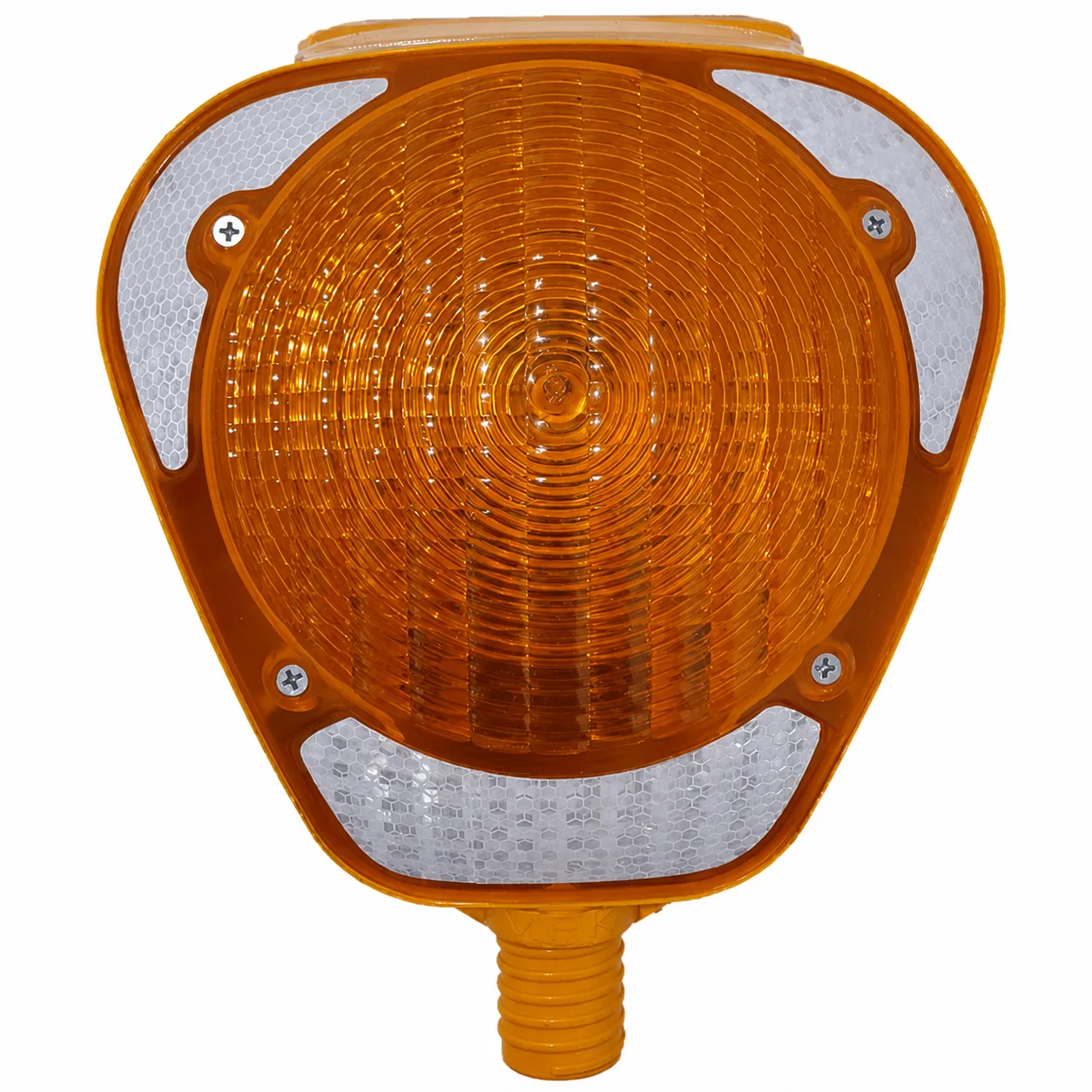
Signalling lamp
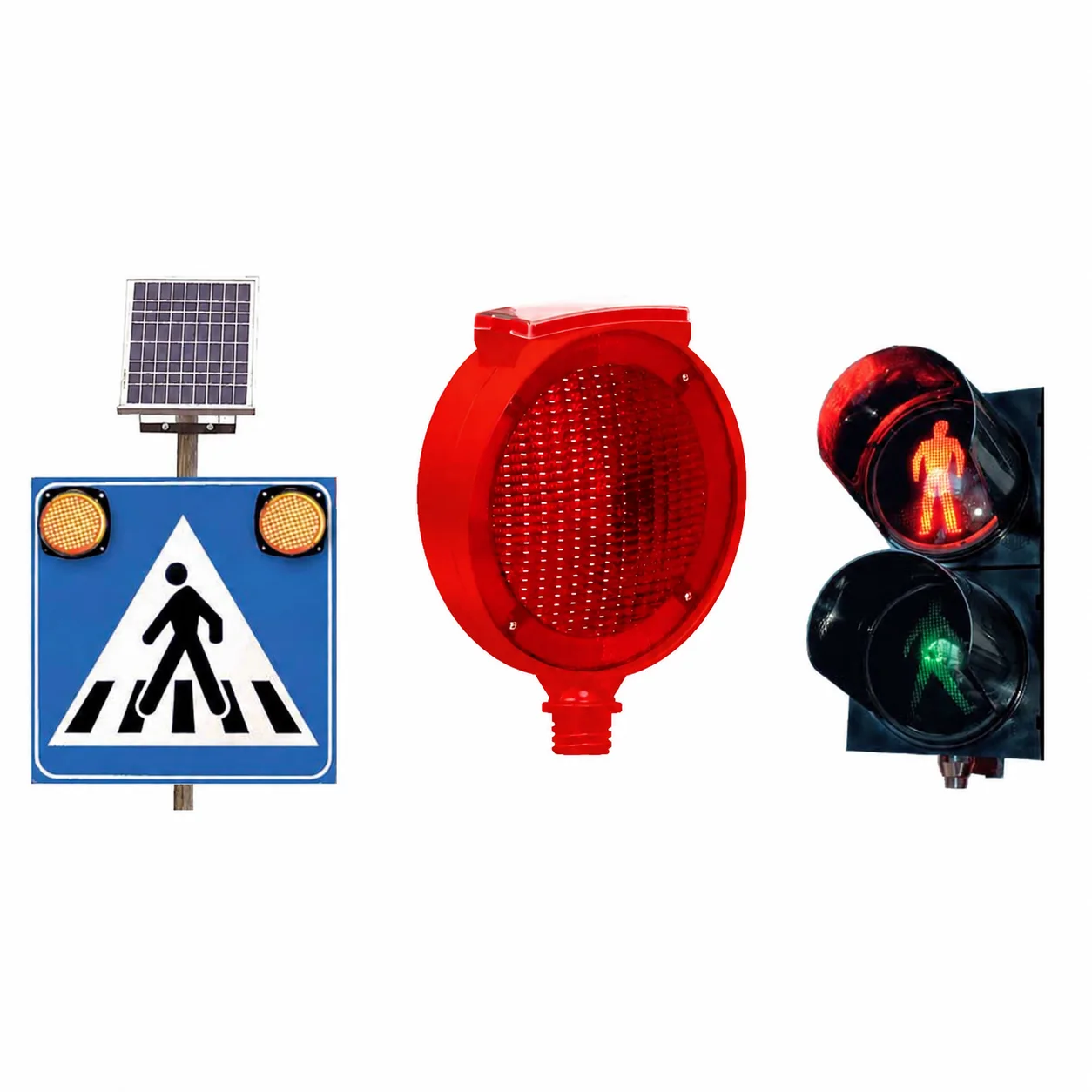
Flashing light is a bright device used for visual warning in traffic, machinery, construction, industry or commercial spaces. It quickly sends a warning and draws attention to situations with potential risks, contributing directly to the safety of people in the area.
In short: LED lamps, rotating, strobe, intermittent or magnetic, chosen after the environment of use, the colour of the light and the degree of protection.
Do you need help choosing?
Tell us what you need and we'll send you the offer on the same working day.
For the choice of the right lamp, it starts from the application: a machine, an intervention vehicle or an industrial hall have different requirements. It counts the color of light, the type of power supply, the degree of protection against dust and water, the assembly mode and the required luminous intensity under the actual working conditions. LED models are recommended for reduced consumption and minimum maintenance, which is limited to checking connections and cleaning the optical surface.
A flashing light increases visibility and safety in traffic or in the industrial environment. Discover the types, advantages and criteria of choice.
Signalling lamp is a light device used for visual warning in traffic, industry, construction or commercial spaces. Choosing the right model depends on the environment of use, light color, LED technology, level of protection and application-specific requirements.
Flashing light – complete guide for choosing the right solution
O signalling lamp is one of the most efficient equipment for the rapid transmission of a visual warning. Whether used on a machine, a vehicle, an industrial shed, a parking lot or a yard, its role is the same: to draw immediate attention and contribute to accident prevention.
In this guide you will find out what is a flashing light, how it works, where it is used, what types exist and what are the important criteria when choosing a model suitable for your needs.
What is a flashing light?
O signalling lamp is an optical device intended to transmit a visual signal through continuous, intermittent or rotating light.
These products are used in many areas:
- road traffic;
- agricultural machinery;
- constructions;
- industry;
- logistics;
- deposits;
- parking spaces;
- commercial buildings;
- automation systems;
- electrical installations.
The main aim is to warn people about a situation that requires increased attention.
How does a flashing light work?
The principle is simple.
The device converts electricity into visible light using one of the available technologies:
- LED
- Incandescent light bulb
- xenon
- stroboscope
Modern models with LED are the most widespread due to low consumption and the very long running life.
Depending on the application, the lamp may operate:
- with continuous light;
- flashing flash;
- with stroboscopic effect;
- with electronic rotation;
- with sequential signaling.
Why is flashing light important?
Visibility is one of the most important safety factors.
A well-chosen lamp can:
- warn participants of traffic;
- reduces the risk of accidents;
- signaling hazardous areas;
- indicate the operation of the equipment;
- the temporary intervention mark;
- improve the organisation of workflows.
In the industrial environment, visual signalling contributes to compliance with occupational safety and health rules.
Advantages of LED flashing lights
Compared to classic technologies, LED models offer many benefits.
Low energy consumption
LEDs use significantly less energy than conventional bulbs.
Long lifespan
Many products exceed 30,000–50,000 hours of operation.
Excellent visibility
The light is intense and can be observed even in difficult conditions.
Vibration resistance
It is an ideal choice for machinery and vehicles.
Minimum maintenance
Do not require frequent replacement of light source.
Instant Start
Signalling starts right after feeding.
Types of flashing lights
There are numerous variants adapted to specific applications.
Flashing light LED
The most widely used solution currently due to high efficiency.
Rotating lamp
Produces the visual effect of rotation for remote warning.
Strobe lamp
It generates very powerful luminous impulses.
Intermittent lamp
Ideal for periodic warning.
Magnetic lamp
It can be mounted quickly on vehicles without permanent modification.
Machine lamp
Designed for difficult working conditions.
Industrial lamp
Used in factories, automatic lines and warehouses.
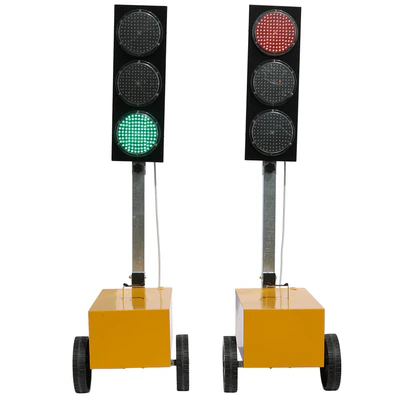
Traffic lamp
Used for driving traffic or interventions.
Differences between available technologies
| Type | Advantage | Recommended for |
|---|---|---|
| LED | Low consumption, long duration | Most applications |
| Xena | Very strong flash | Special interventions |
| Beaking hot | Reduced cost | Occasional use |
| Stroboscopic | Excellent visibility | High risk areas |
How do you choose a flashing light correctly?
Not all models are suitable for any application.
Consider the following criteria:
Colour of light
Depending on the legislation and application:
- yellow;
- orange;
- red;
- blue;
- green;
- alb.
Feeding
The most common variants are:
- 12 V;
- 24 V;
- 230 V AC.
Degree of protection
For outdoors a high level of protection is recommended, as well as IP65, IP66 or IP67.
Mounting module
You can opt for:
- fixed mounting;
- magnetic mounting;
- mounting on support;
- assembly on the thread.
Light intensity
Depending on the distance of visibility required.
Conditions of use
For construction, agriculture or industry, a shock and vibration resistant housing is recommended.
Frequent errors in choice
Many people choose the product only after the price.
The most common mistakes are:
- the choice of an incompatible voltage;
- Ignoring IP status;
- installation in a position with reduced visibility;
- the choice of an inappropriate colour;
- the use of insufficient intensity;
- neglecting the applicable rules.
Real example of use
In industry
The lamps shall signal the operation of the machinery and shall warn of defects or stoppages.
Logistical
They are used on stackers and vehicles to reduce the risk of collision.
In construction
Signals hazardous areas and temporary works.
In agriculture
Agricultural tools use warning lamps for safe movement.
In parking lots
Control access and indicate the state of the automatic systems.
Professional advice
Specialists recommend:
- the exclusive choice of LED models for intensive use;
- verification of product certifications;
- compliance with the colours imposed by the legislation;
- regular maintenance;
- verification of electrical connections;
- mounting in an area with maximum visibility.
Pre-purchase recommendations
Before ordering a flashing light, check:
- the scope of use;
- power supply voltage;
- dimensions;
- assembly method;
- the IP status;
- available certifications;
- operating temperature;
- the guarantee offered by the manufacturer.
A correct choice means reliable operation, reduced maintenance costs and a high level of safety.
Conclusion
O signalling lamp is an essential element for increasing traffic safety, industry and many other areas. The choice of the appropriate model shall be made according to the application, the conditions of use and the technical requirements. Investment in a quality LED product provides superior visibility, long lifespan and reduced operating costs.
BENEFICII COMERCIALE
- Increases visibility under any working conditions.
- Reduces the risk of accidents and incidents.
- Low energy consumption due to LED technology.
- Long running time and low maintenance costs.
- Vibration resistance, dust and moisture.
- Fast installation and minimum maintenance.
- Available in multiple power supply and assembly options.
- Suitable for industrial, commercial and road applications.
- It complies with safety requirements for many areas of use.
FAQ
What is a flashing light?
It is a bright device used for visual warning in traffic, industry, construction and other applications where safety is a priority.
What's the best flashing light?
In most cases, LED models are preferred due to reduced consumption, long lifespan and excellent visibility.
What color should be chosen?
The colour depends on the application and the regulations in force. The most commonly used are yellow, orange, red and blue.
What does IP protection mean?
IP indices show the level of protection against dust and water. IP65 or higher values are recommended for outdoor use.
Can I mount a flashing light on any vehicle?
Mounting is only possible if the product is compatible with the vehicle and use complies with the applicable legislation.
How long does an LED lamp last?
Depending on the quality and conditions of use, it can operate between 30,000 and 50,000 hours or more.
What tension should be chosen?
The most common variants are 12 V, 24 V and 230 V, depending on the application for which the lamp is intended.
Is there a need for maintenance?
Maintenance is reduced and regular check of connections and cleaning of the optical surface is recommended.
O signalling lamp contributes to increased safety by early warning of risk-prone situations. For optimal results, choose an LED model adapted to the application, with appropriate protection and relevant certifications for the field of use.