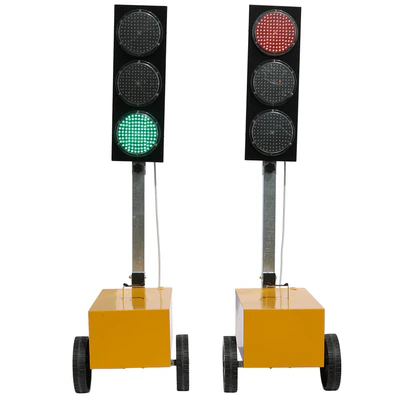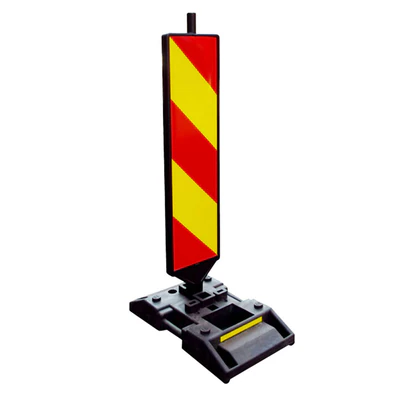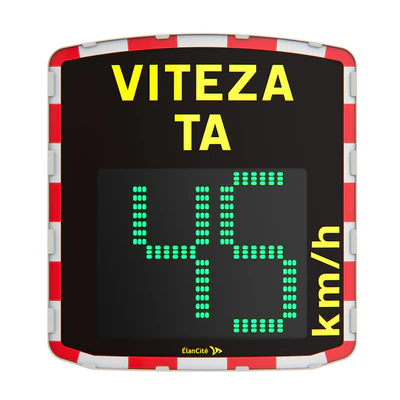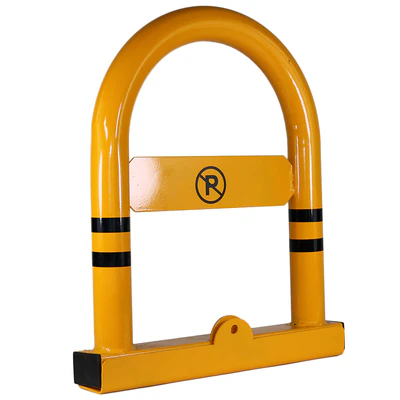
Temporary indicator
The temporary indicator warns and directs traffic participants when the traffic is changed provisionally, e.g. during work or temporary restrictions. It provides clear information in the affected area, reduces the risk of accidents and allows both traffic and work to be carried out safely.
In short: warning, restriction, orientation or construction indicators, chosen according to the type of work, category of road and duration of use.
Do you need help choosing?
Tell us what you need and we'll send you the offer on the same working day.
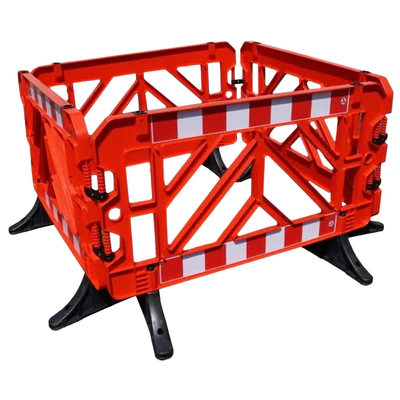
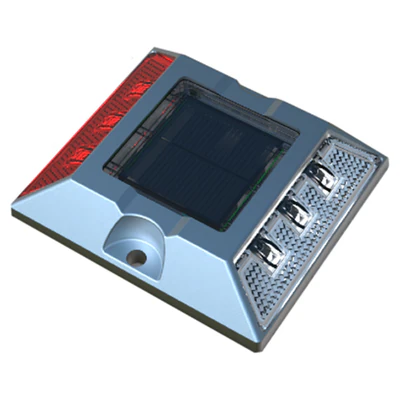
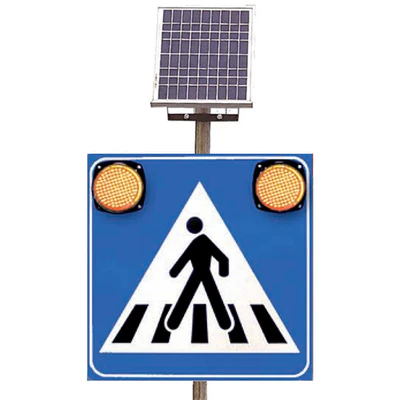
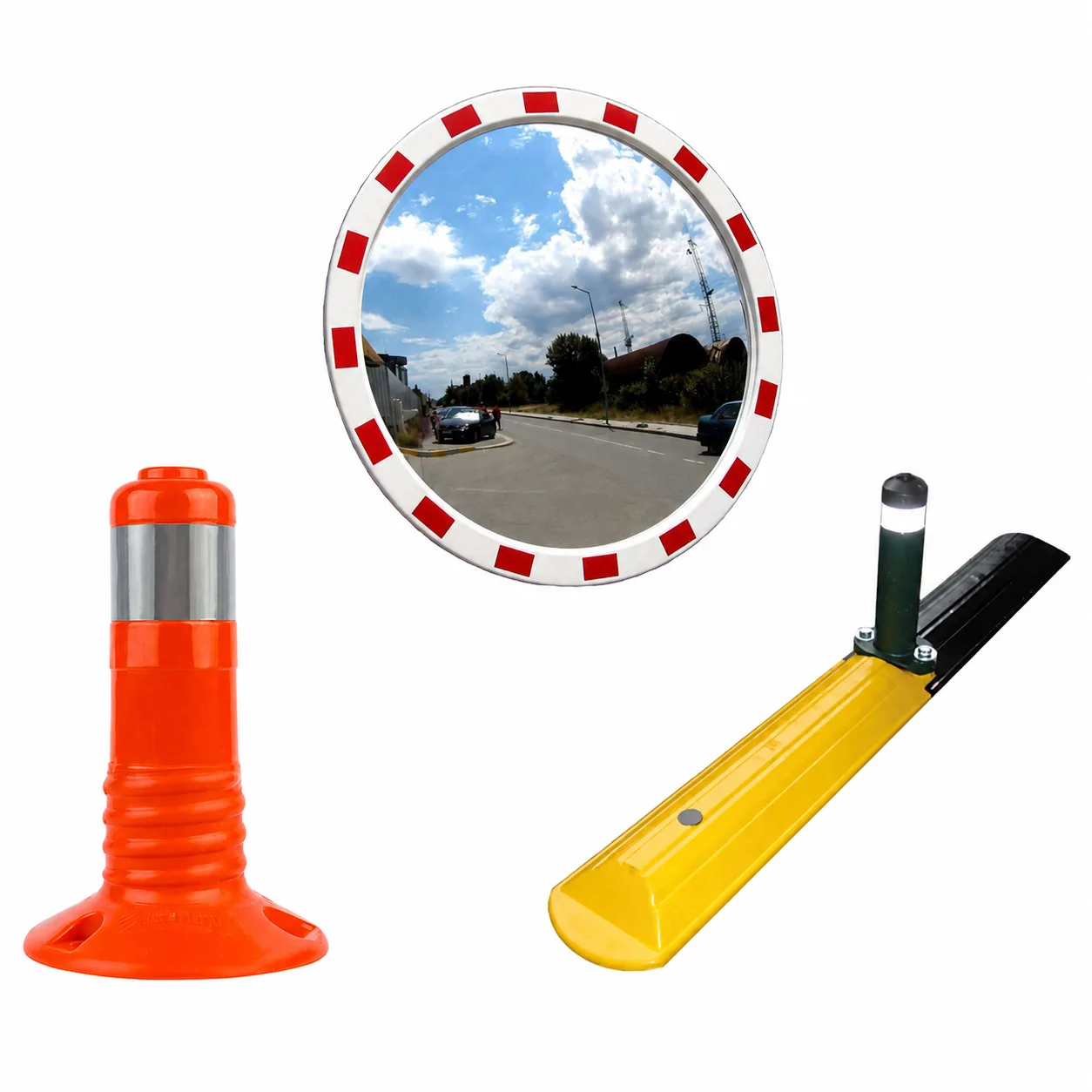
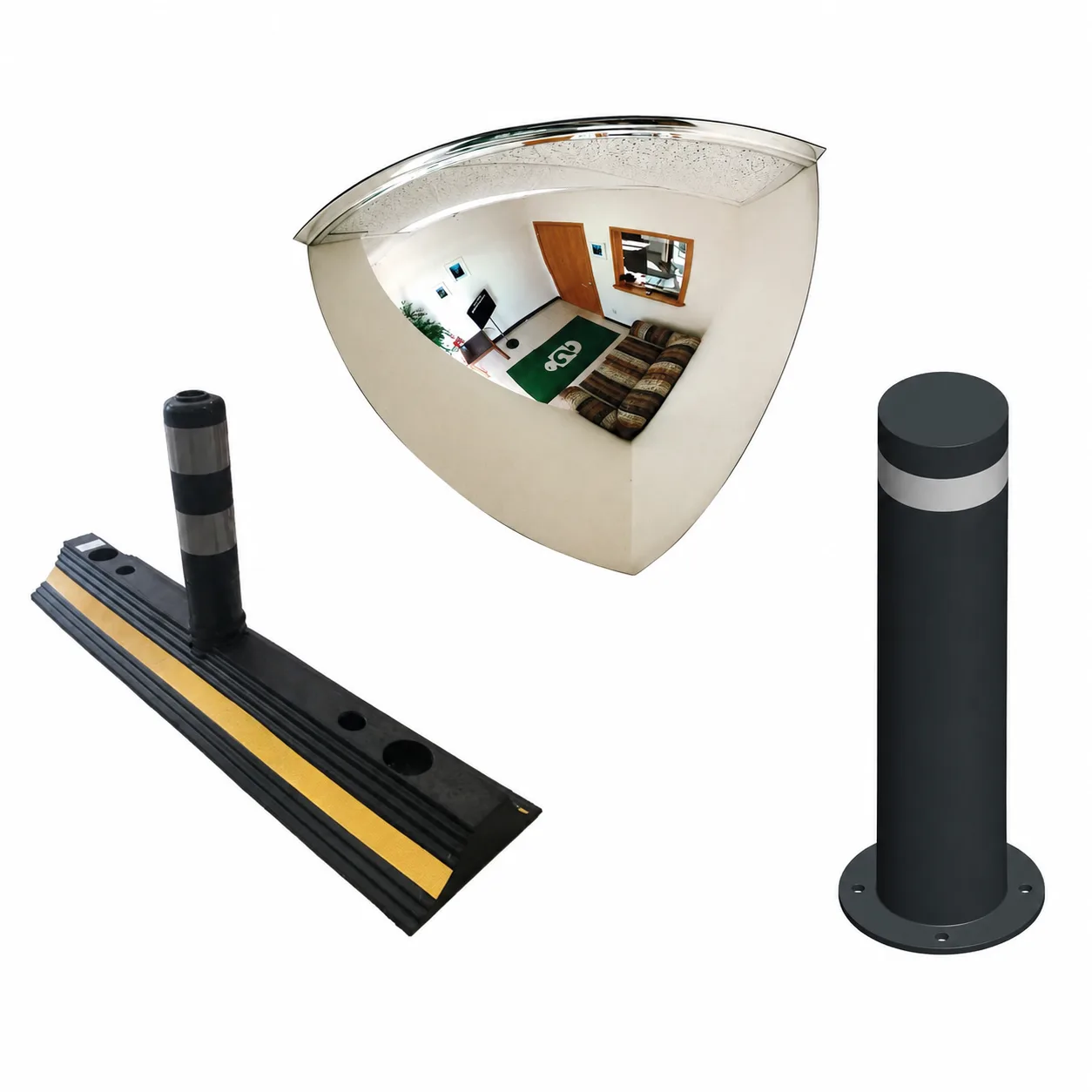
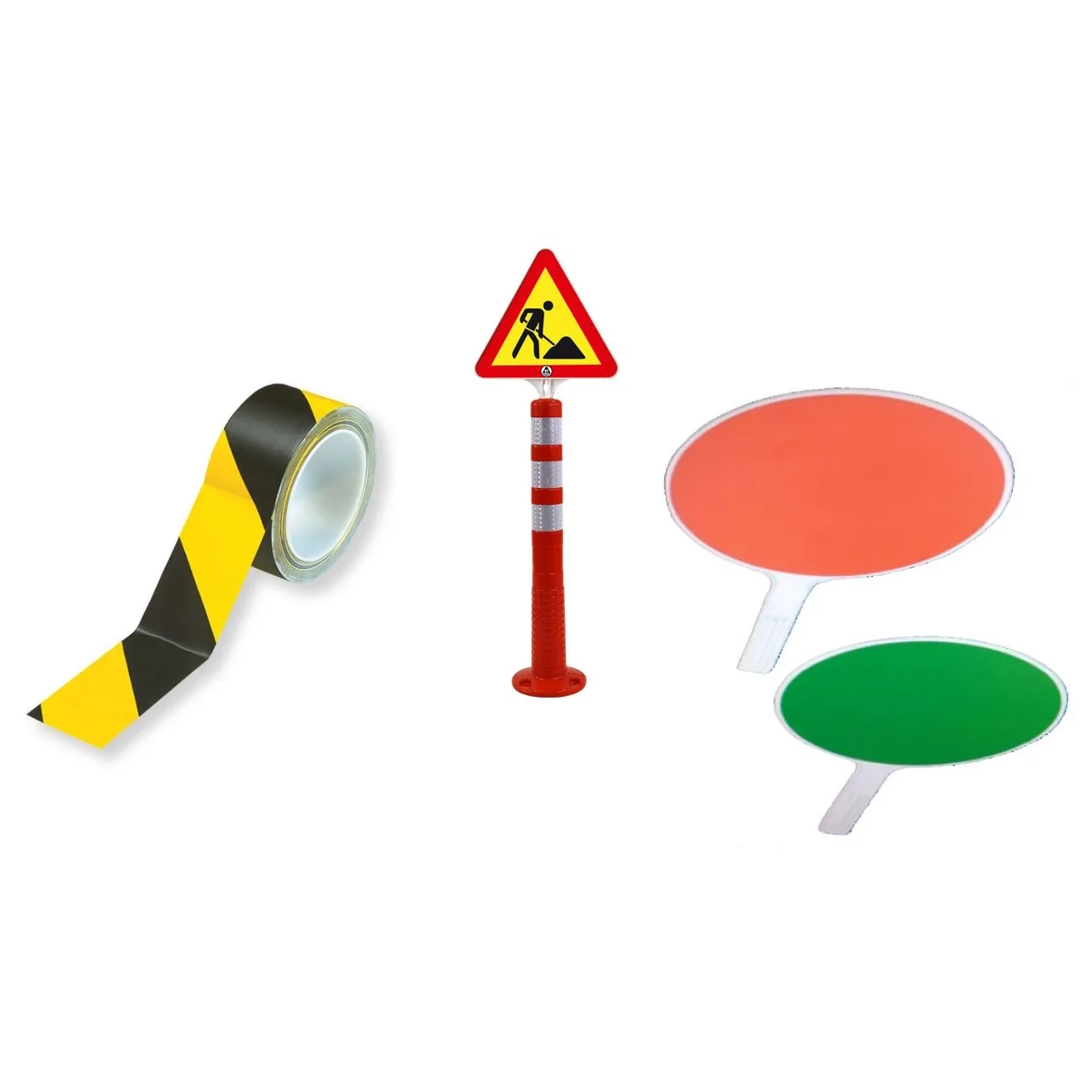
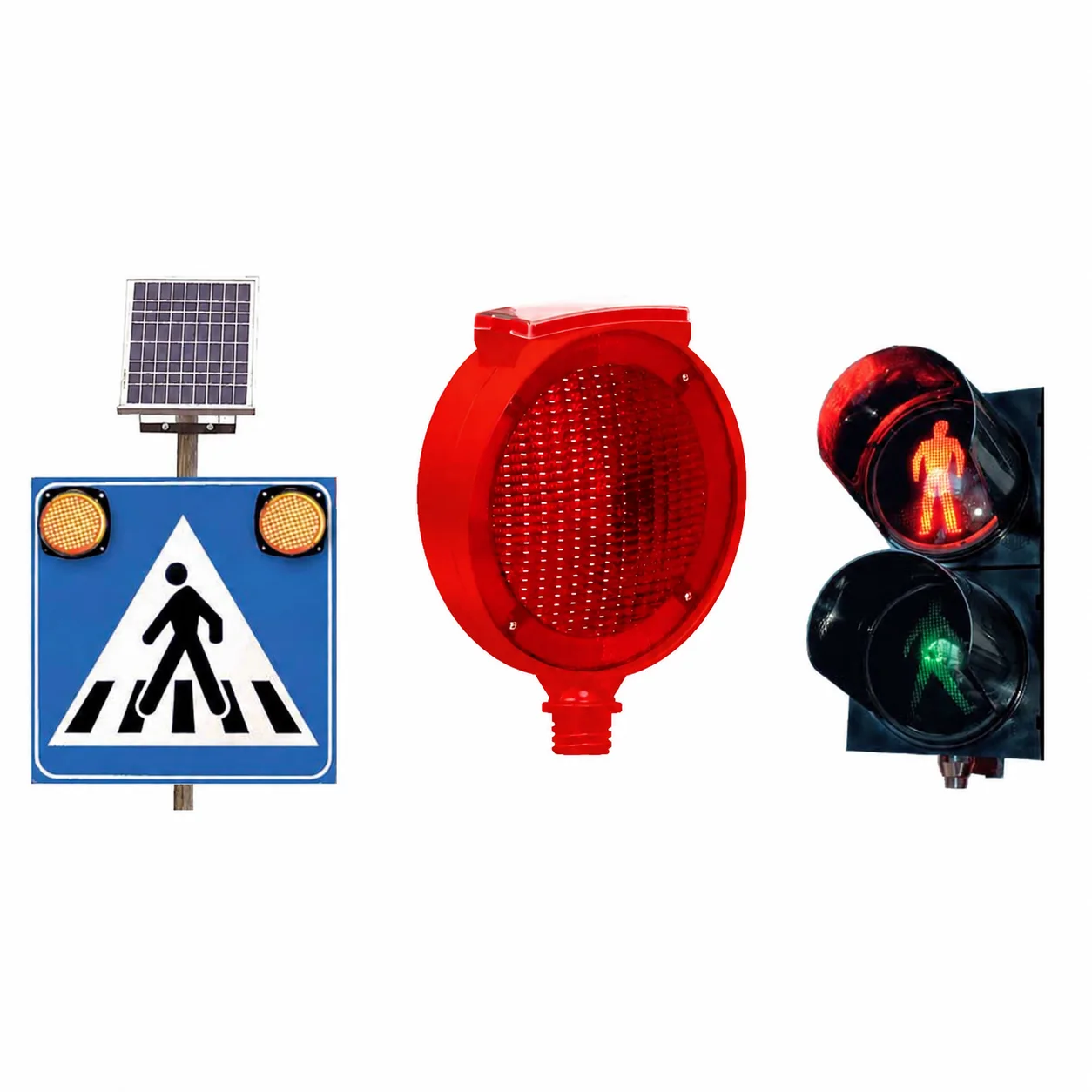
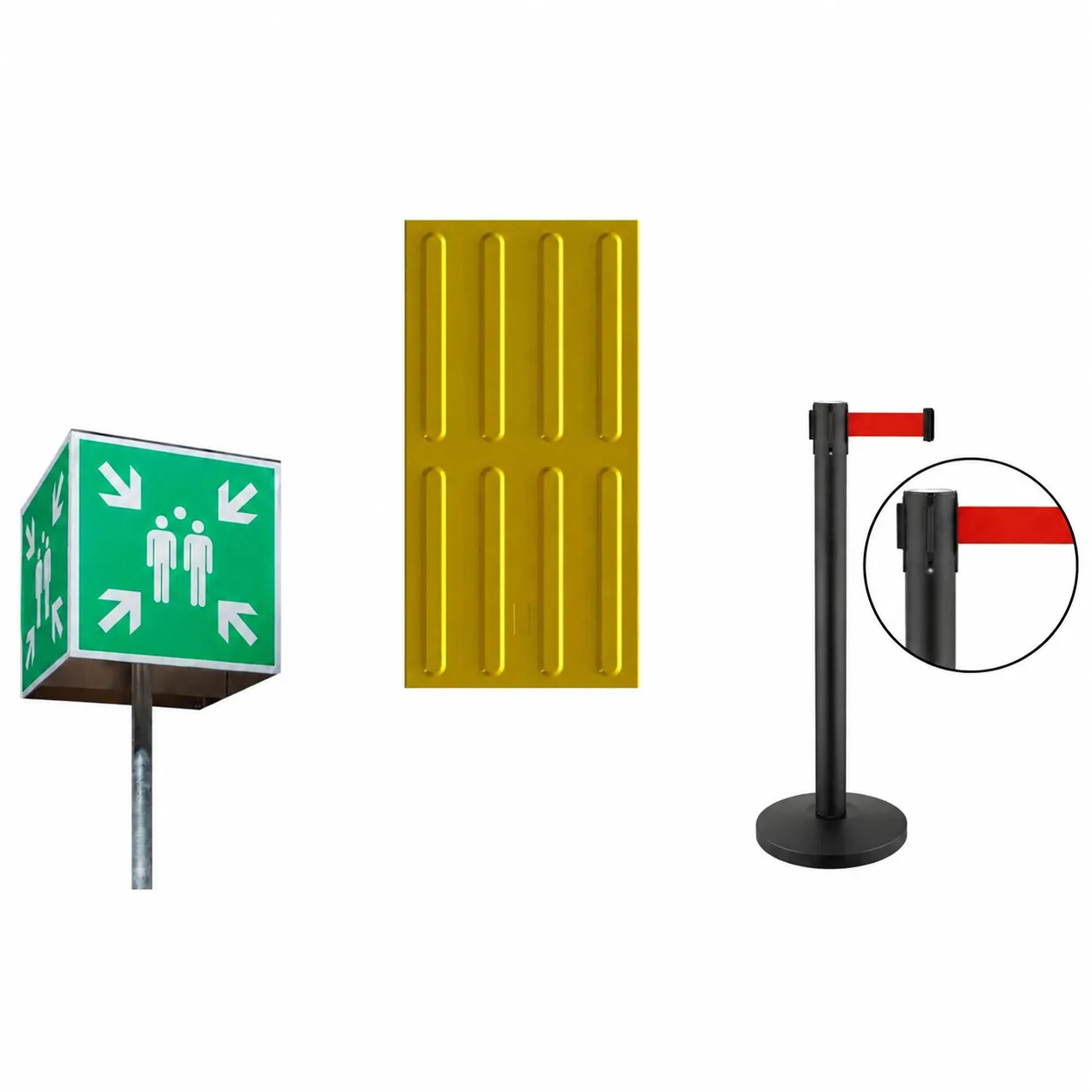
When choosing temporary indicators, take into account the type of work, the category of road and how long it will be mounted. The size depends on the speed of movement and the observation distance required, and visibility must be ensured at night. Rehabilitating a street, an intervention in the water network or a sporting event requires different scenarios, complemented by traffic cones, beacons, barriers, warning lamps and protective fences.
Temporary indicator is a means of signalling used to warn and direct traffic participants when provisional changes in traffic occur. It contributes to increased safety, reduces the risk of accidents and provides clear information during work or temporary restrictions.
The temporary indicator shall inform and protect participants in traffic in restricted or work areas, contributing to the safe movement.
Temporary indicator – what is it, when used and how to choose the right solution
Temporary indicator is one of the most important road signs when the traffic is changed for a limited period. Whether it is rehabilitation work, emergency interventions, public events or traffic restrictions, these indicators are intended to inform traffic participants quickly and clearly.
A properly executed temporary signal reduces the risk of accidents, facilitates work and helps drivers to make quick and safe decisions. You will then find out how temporary indicators work, what types exist and what criteria should be considered when using them.
What is a temporary indicator?
One temporary indicator is a road sign installed for a limited period of time, intended to amend the usual traffic rules.
Unlike permanent indicators, it is used exclusively in temporary situations such as:
- Roadway works;
- interventions on building networks;
- accident;
- restrictions on movement;
- traffic diversions;
- organisation of sporting or cultural events.
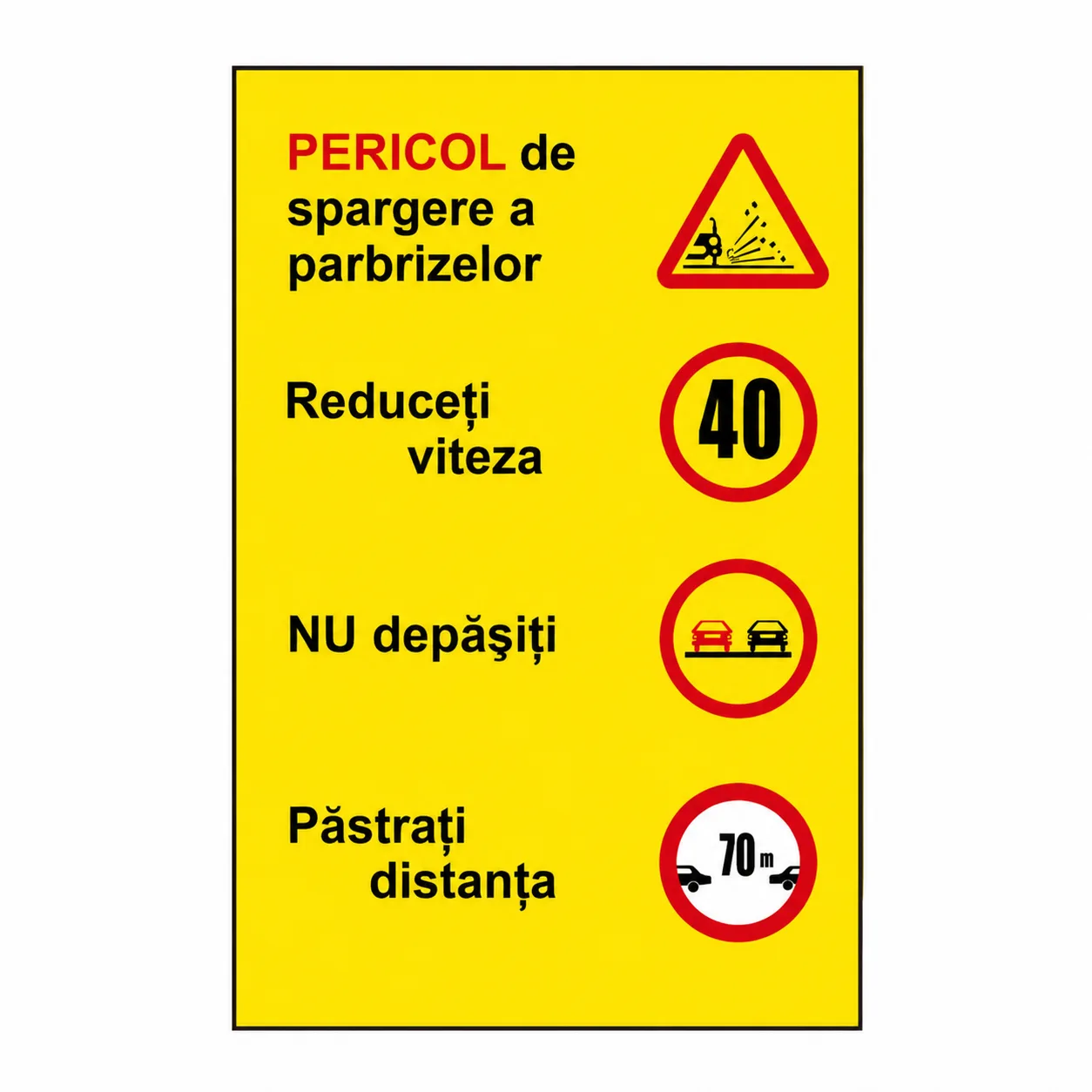
In most cases, temporary indicators are made on the yellow background to be quickly differentiated from permanent signaling.
How does the temporary indicator work?
The main role of a temporary indicator is to provide relevant information quickly to drivers.
It may:
- warning of a danger;
- speed limit;
- prohibit certain manoeuvres;
- deviation of circulation;
- indicate alternative routes;
- information about works or obstacles.
For maximum efficiency, the indicator shall be located at the appropriate distance from the risk area and be perfectly visible both day and night.
Why is it important?
Proper use of a temporary indicator contribute to:
- the protection of participants in traffic;
- reducing the risk of accidents;
- efficient organisation of work;
- compliance with the legislation on road signs;
- flow of circulation.
In the absence of an appropriate signal, both the executioner of the work and the road manager may respond to the incidents produced.
Advantages of using temporary indicators
Among the most important benefits are:
- High visibility;
- rapid installation;
- easy moving;
- reuse;
- adaptation to various types of work;
- compatibility with other signalling elements.
In addition, modern models are made of UV-resistant materials, humidity and temperature variations.
Types of temporary indicators
Depending on the purpose of use, there are several categories.
Warning signs
Signs the existence of a temporary danger.
Example:
- narrow roadway;
- works;
- stone;
- The road's up and running.
Restriction indicators
I'm introducing temporary rules.
Example:
- speed limitation;
- prohibited access;
- maximum tonnage;
- overtaking prohibited.
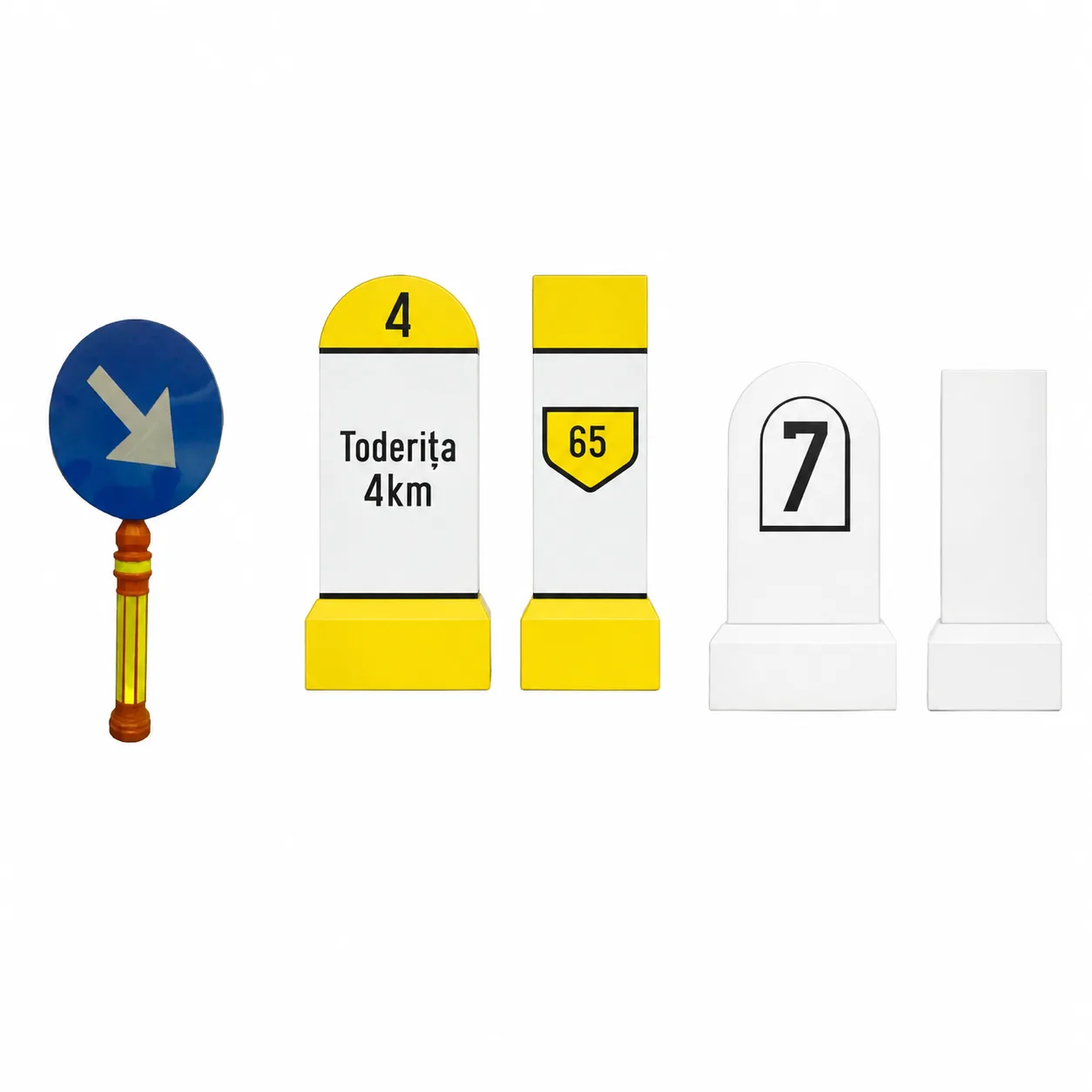
Direction signs
Help drivers follow alternative routes.
May indicate:
- detour;
- bypass routes;
- Provisional senses.
Canning indicators
These are commonly used in:
- constructions;
- modernisation of roads;
- construction works;
- infrastructure maintenance.
Temporary indicator vs permanent indicator
There are some important differences.
| Temporary indicator | Permanent indicator |
|---|---|
| time-limited use | permanent use |
| background yellow (in many cases) | standard background |
| can be moved | Fix mount |
| adapted to the work | regulates permanent movement |
Common errors
Among the most common errors are:
- placing too close to the obstacle;
- reduced visibility;
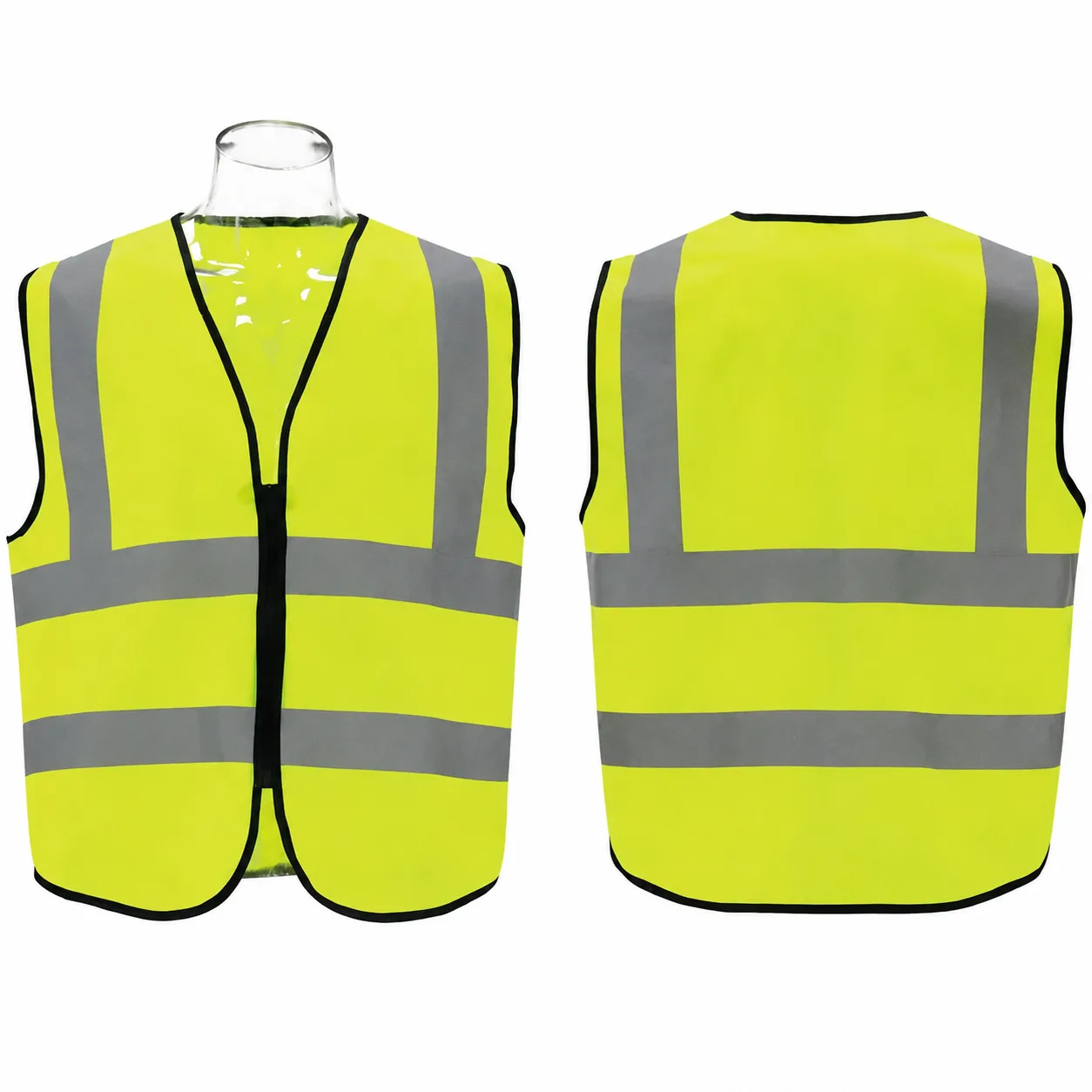
- lack of reflective elements;
- the use of an inappropriate indicator;
- inadequate maintenance;
- incorrect combination with other means of signalling.
These errors can create confusion and may affect the safety of the movement.
How do you choose the appropriate temporary indicator?
Several aspects need to be considered in order to make the right choice.
Type of work
Signalling differs for:
- short-term works;
- complex construction sites;
- emergency interventions.
Category of road
Different needs exist for:
- municipal roads;
- roadways;
- national roads;
- autostrăzi.
Duration of use
Robust and very resistant models are recommended for long projects.
Visibility
The use of certified reflective leaflets for rapid observation including at night is recommended.
Professional advice
For efficient signaling:
- periodically verify the stability of the indicator;
- Mount the indicators according to the signalling plan;
- use stable supports;
- replace the damaged indicators immediately;
- complete the signaling with beacons, cones and barriers when necessary.
Practical example
Rehabilitating a street
Use:
- indicator "Works";
- speed limitation;
- deviant;
- prohibition of overtaking.
Intervention on the water network
Mount:
- warning;
- temporary restrictions;
- delineation of the zone with cones and beacons.
Sports event
They are used:
- deviation indicators;
- access restrictions;
- Signalling for alternative routes.
Recommendations
For optimal results:
- select products that comply with applicable standards;
- verify the visibility before mounting;
- adapt the signal to the conditions in the field;
- comply with traffic organisation plans;
- periodically inspect the indicators.
Conclusion
Temporary indicator is an essential element of road safety in any situation where traffic is temporarily changed. Choosing an appropriate model, setting up and maintaining it correctly helps to protect traffic participants, reduce incidents and efficiently carry out work.
BENEFICII COMERCIALE
- Clear and visible signaling under any conditions.
- Increase safety for drivers and pedestrians.
- Compliance with the requirements for the organisation of traffic.
- Fast assembly and flexible use.
- Products resistant to weather and wear.
- Reduced costs due to reuse.
- Compatibility with other signalling equipment.
- Solutions for short and long-term work.
FAQ
What is a temporary indicator?
It is a road sign used for temporary changes in traffic, such as works or temporary restrictions.
When is a temporary indicator mandatory?
Whenever traffic is temporarily changed and it is necessary to inform the traffic participants.
What is the difference between the temporary and permanent indicators?
The temporary indicator shall only be used during work or restriction, while the permanent indicator shall regulate the movement continuously.
Who mounts the temporary indicators?
Road managers, authorised firms or work performers, in accordance with the signalling plan.
What materials are they made of?
Usually, in galvanized or aluminium, with reflective leaflets for high visibility.
Can they be reused?
Yeah. Most models are designed for repeated use if properly maintained.
What other equipment is used with temporary indicators?
Traffic cones, beacons, barriers, warning lamps and protective fences.
How do I choose the right size?
The size depends on the category of the road, the speed of movement and the observation distance required.
Temporary indicator is the standard solution for signalling provisional changes in circulation. Choosing and locating it correctly enhances road safety, facilitates work and provides traffic participants with clear and easy to understand information.