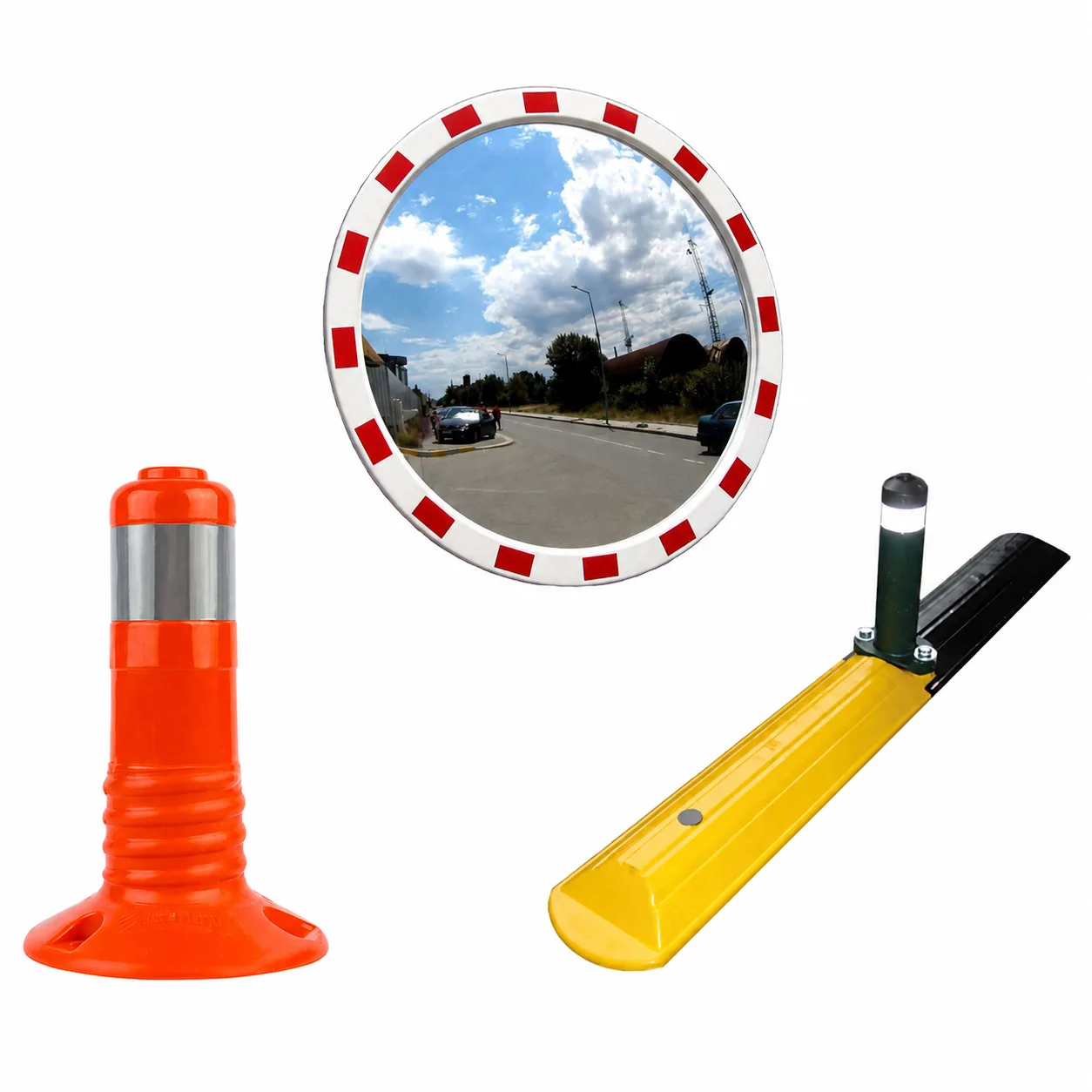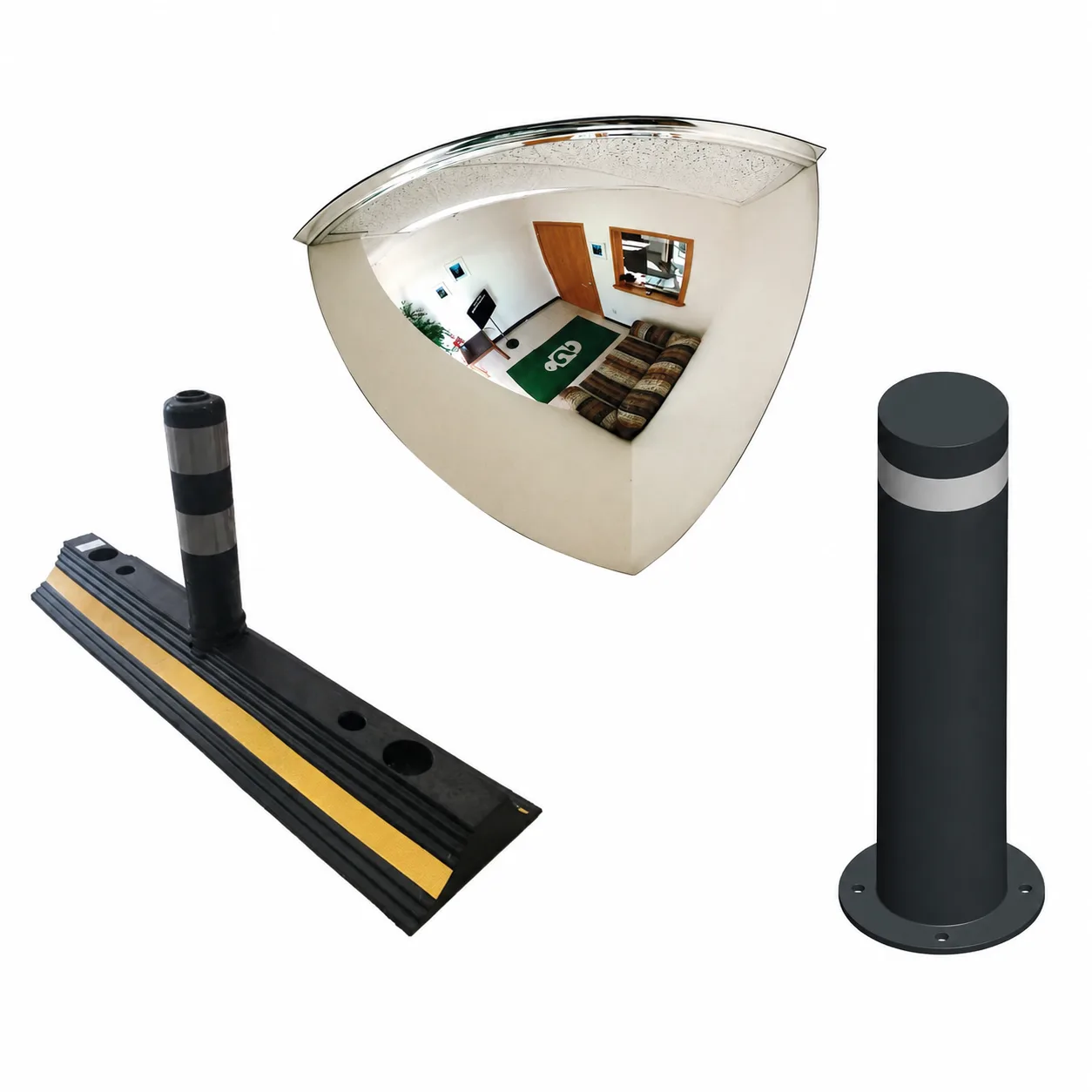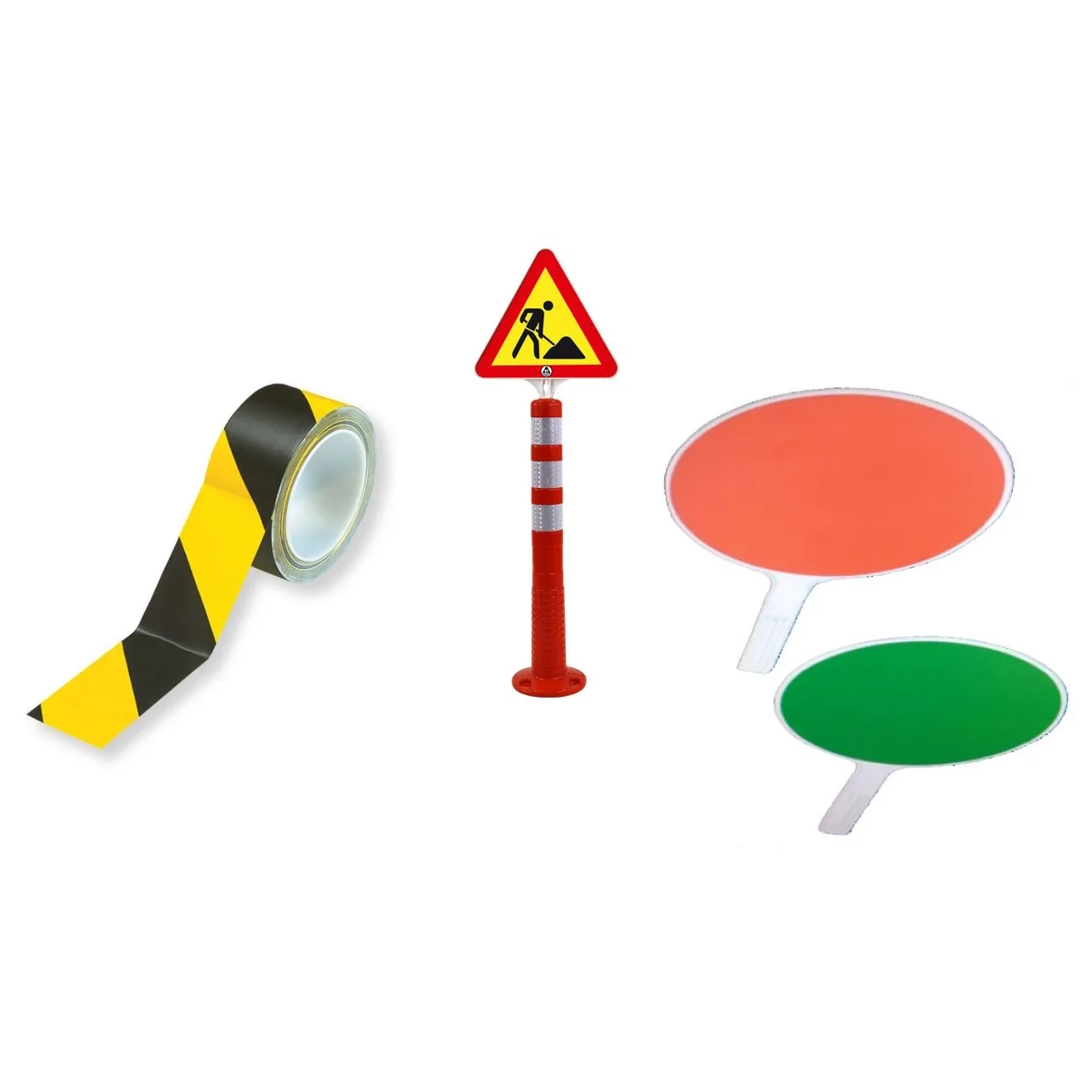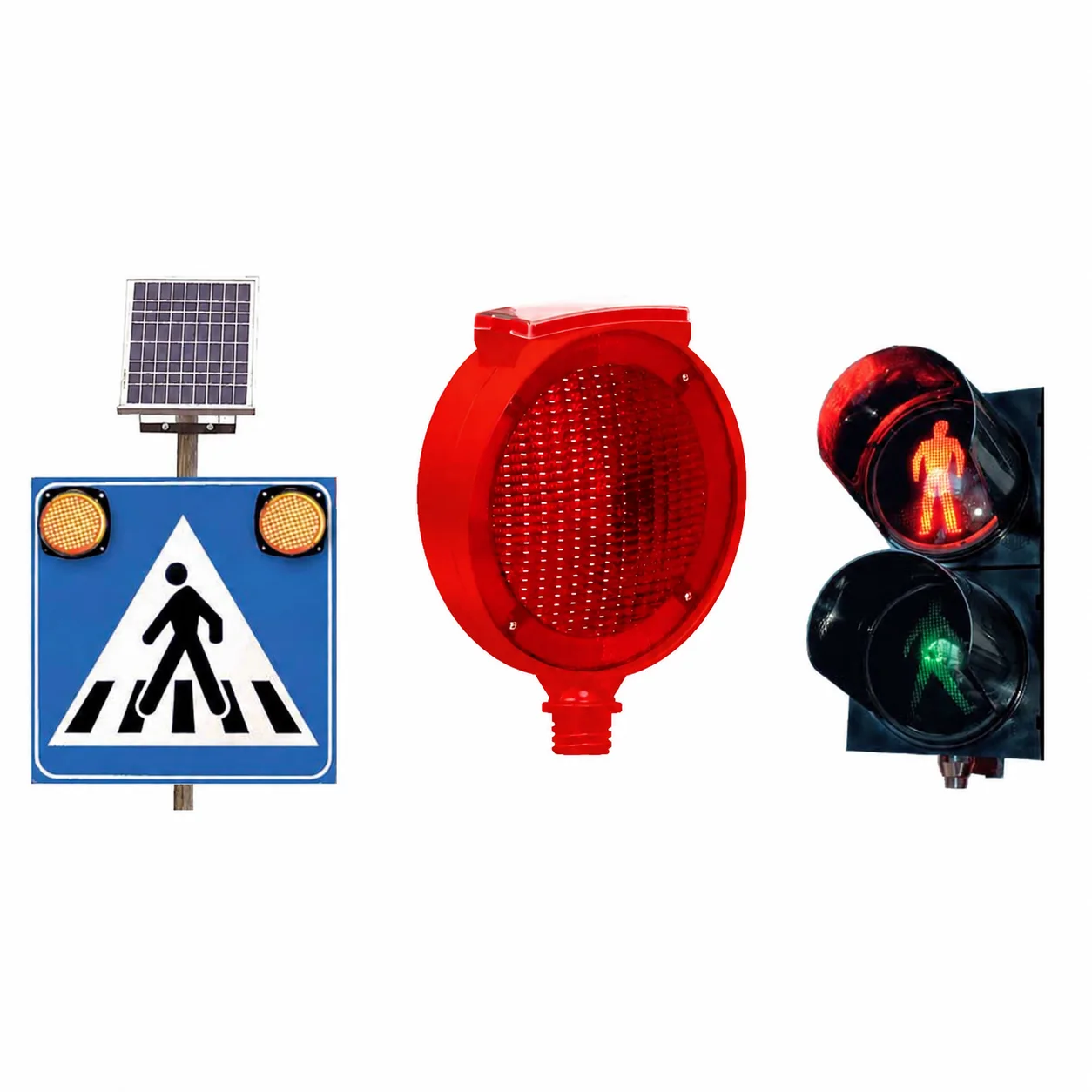
Plastic indicator
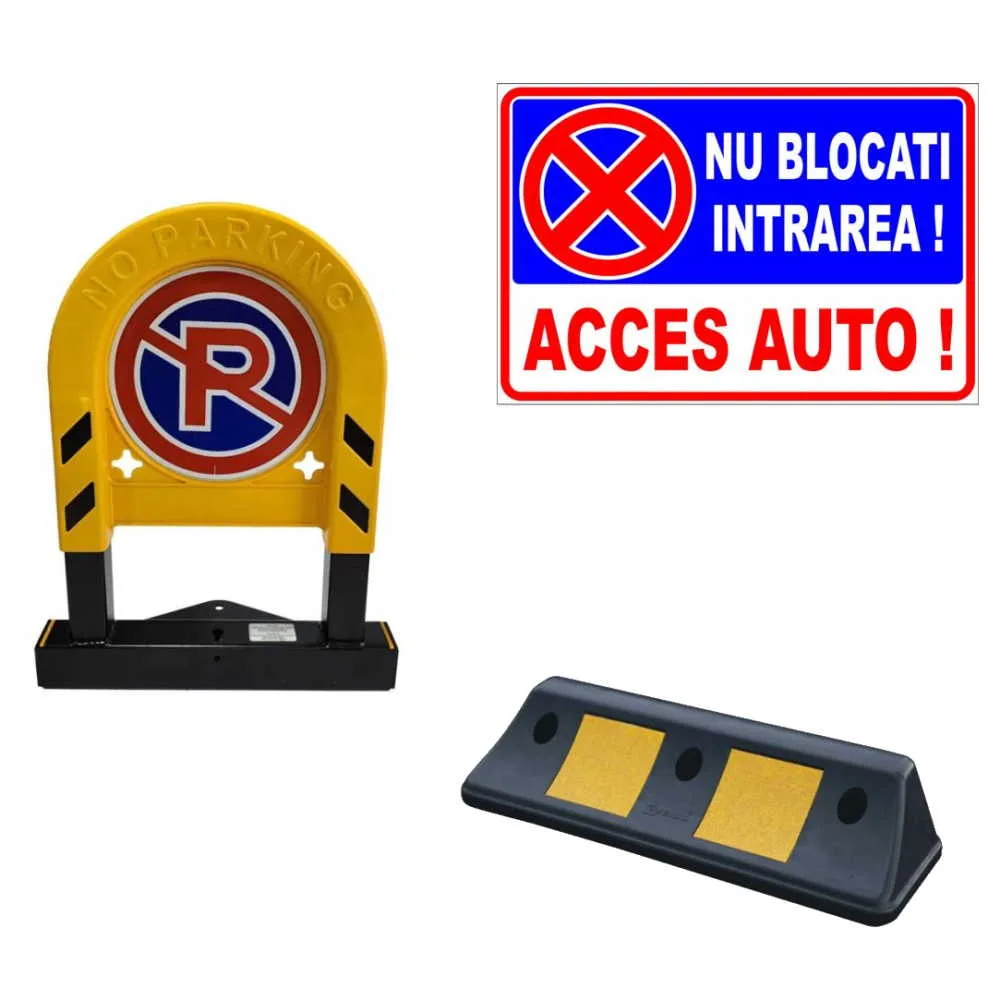
The plastic indicator is a signalling element made of resistant plastic materials, used for information, warning, guidance or identification. It resists weather, has low weight and low maintenance costs, being an efficient solution for both indoor and outdoor spaces.
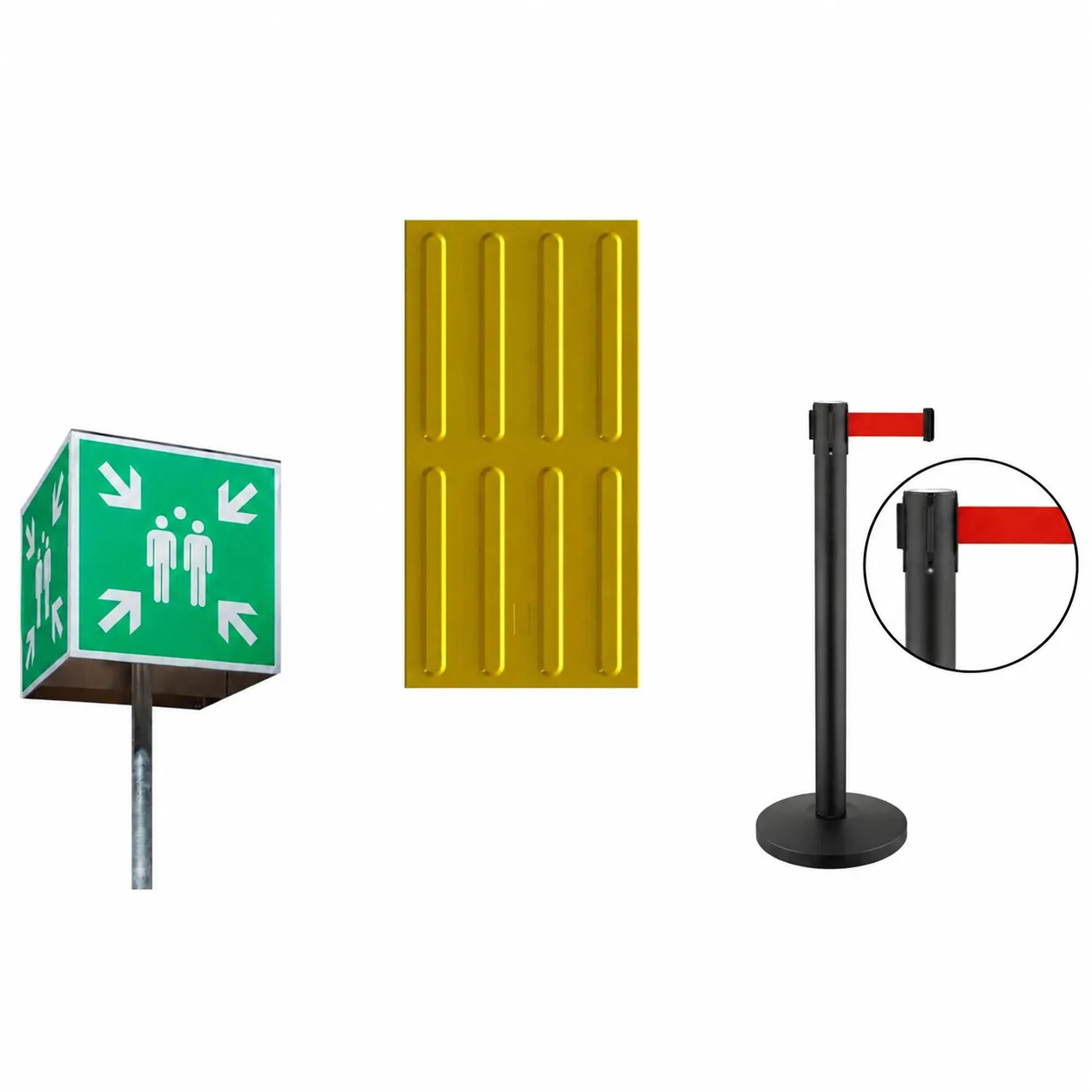
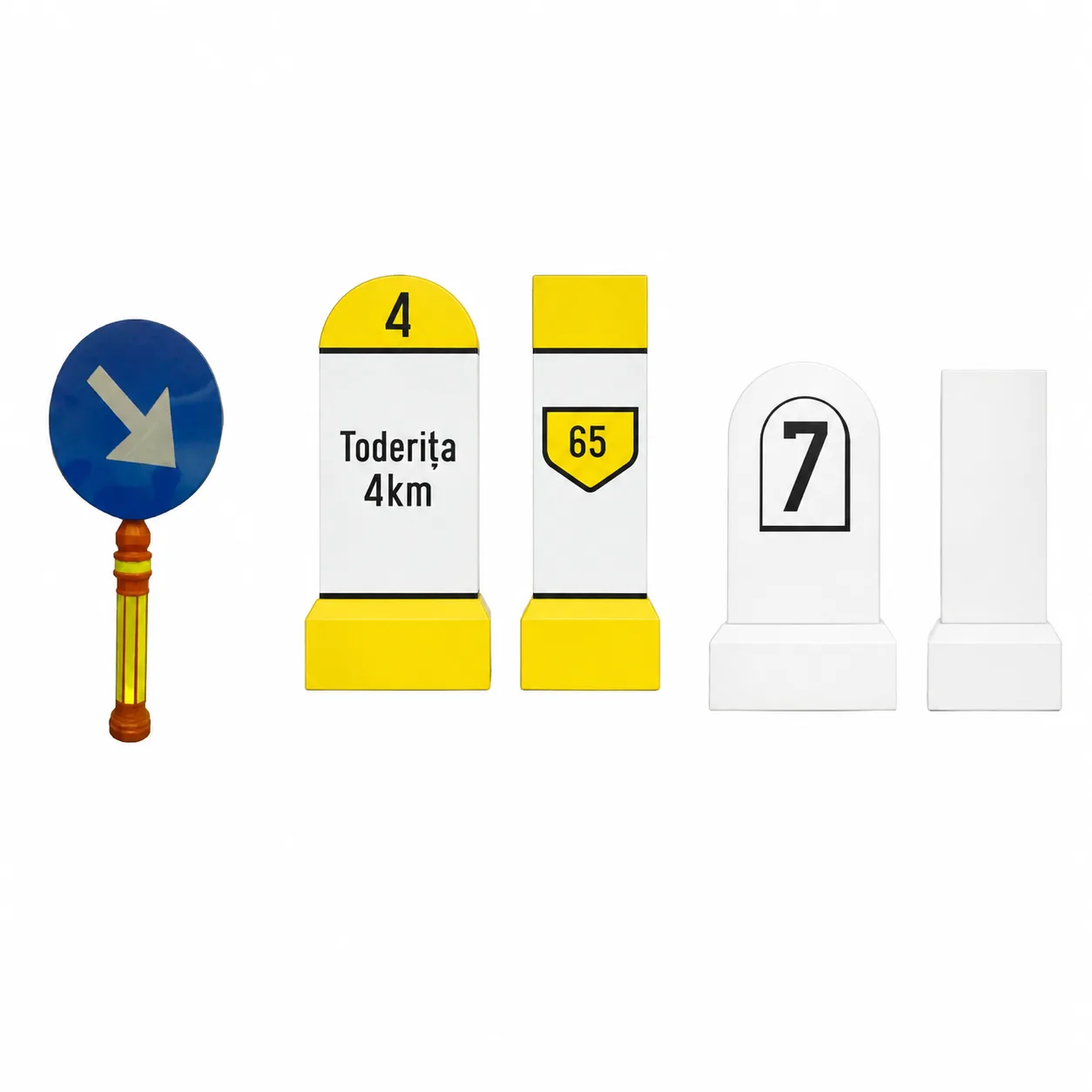
Briefly: information, warning, security, directional or custom indicators, chosen after location and size required.
Do you need help choosing?
Tell us what you need and we'll send you the offer on the same working day.
The choice of the plastic indicator depends on the location of the assembly, the distance from which it should be read and the message transmitted. Faced with metal and wood, plastic is easier, more economical and can be customized simply, and lifespan can exceed 5–10 years, depending on material and conditions. Maintenance is done by regular cleaning of water and neutral detergent, without abrasive substances, so that the signal remains clear and easy to observe.
The plastic indicator is a durable solution for signaling and information. Discover the advantages, the available types and the choice criteria.
Plastic indicator is a signalling element made of resistant plastic materials, used for information, warning, guidance or identification. Due to sustainability, weather resistance and reduced maintenance costs, it is an efficient solution for indoor and outdoor spaces.
Plastic indicator – complete guide on uses, advantages and choice of the right model
Plastic indicator is present in almost any public or private space, even if it often goes unnoticed. We meet him in office buildings, medical units, schools, commercial spaces, industrial halls, parking lots or public institutions, where he contributes to the rapid orientation of people and the transmission of important information.
Choosing a suitable indicator is not only about design, but also about material, size, visibility and the environment in which it will be used. A well-chosen product offers a long life, requires minimal maintenance and keeps a professional appearance over time.
In this guide you will find out what is a plastic indicator, which are its main advantages, what types exist and how you can choose the right option depending on the application.
What is a plastic indicator?
Plastic indicator is a signalling medium made of plastics such as PVC, polycarbonate, acrylic (plexiglas) or polypropylene. It may contain texts, symbols, pictograms or graphic elements intended to inform and guide users.
Depending on the destination, indicators may have the role of:
- inform;
- warning;
- identification;
- direction;
- security alerts;
- display of rules and instructions.
Modern materials allow us to obtain products resistant to wear and long exposure to the sun, moisture or temperature variations.
How does a plastic indicator work?
The operation is simple: the indicator sends a visual message quickly, easily understood.
It combines:
- clear text;
- standardized symbols;
- contrasting colors;
- dimensions adapted to the viewing distance.
The purpose is for the information to be identified immediately, without effort from the user.
Why is a plastic indicator important?
An effective signalling system shall contribute to:
- rapid orientation of visitors;
- reducing search time;
- increasing safety;
- compliance with security rules;
- improving the company's image.
In the industrial environment, the lack of adequate alerting may lead to accidents or misinterpretations of information.
Advantages of using plastic indicators
Compared to other materials, plastic offers many benefits.
High resistance
Modern materials are resistant to:
- UV rays;
- wetting;
- variable temperatures;
- corrosion;
- light chemicals.
Reduced weight
Being very easy, indicators are simple to transport and mount on almost any surface.
Effective cost
The ratio between price and sustainability is one of the best available on the market.
Minimum maintenance
The surface can be cleaned quickly with a wet wash and regular detergents.
Customization
Indicators can be achieved in:
- different colours;
- different dimensions;
- customised forms;
- matt or glossy finishes;
- UV printing or sticker.
Types of plastic indicators
There are many variations depending on the scope of use.
Information indicators
Use for:
- receptions;
- offices;
- meeting rooms;
- Offices;
- instituții.
Warning indicators
Signify the existence of risks.
Example:
- Attention!
- Electrical hazard
- Slippery surface
Security indicators
Contains symbols conforming to the standards for:
- extinguishers;
- emergency exits;
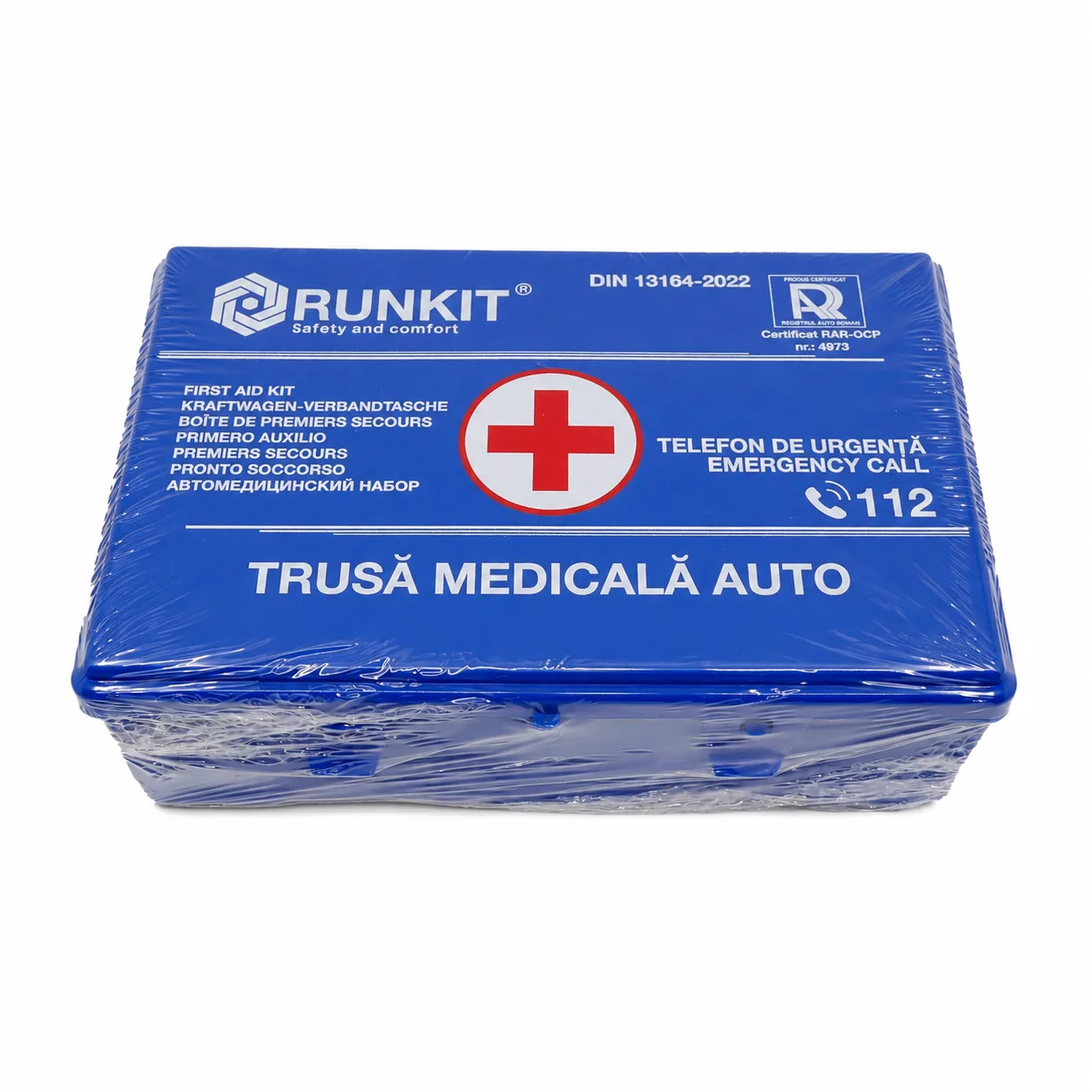
- medical kits;
- First aid points.
Directional indicators
Help users find quickly:
- entries;
- exits;
- elevators;
- toilets;
- parcări.
Personalized indicators
They shall be carried out in accordance with the requirements of the beneficiary and may include:
- then;
- visual identity;
- corporate colors;
- specific information.
Plastic indicator versus other materials
Plastic vs Metal
Plastic
- easier;
- low cost;
- corrosion resistant;
- simple mounting.
Metal
- very robust;
- recommended for extreme environments;
- higher cost.
Plastic vs wood
Plastic offers:
- longer lifespan;
- resistance to moisture;
- reduced maintenance;
- constant appearance over time.
Frequent errors in choosing an indicator
Among the most common errors are:
- the choice of a size too small;
- lack of contrast between text and background;
- the use of material unsuitable for outdoor use;
- location in a hard-to-reach area;
- use of non-compliant symbols.
These errors reduce the efficiency of the signalling system.
How do you choose a plastic indicator correctly?
For an inspired choice, consider the following criteria.
Location
Inside or outside?
UV-resistant materials are recommended for outdoor use.
Size
The indicator shall be legible from the distance at which it is observed.
Type of information
The message must be:
- short;
- clear;
- Easy to understand.
Mounting module
It can be:
- self-adhesive;
- caught with bolts;
- suspended;
- Mounted on post.
Design
The aspect must respect the company's visual identity and be consistent with the rest of the signalling system.
Professional advice
Specialists recommend:
- use of standardised pictograms;
- the choice of certified materials;
- avoid overcrowding of information;
- regular verification of visibility;
- replacement of damaged indicators.
It is also indicated to use colors that comply with security rules to facilitate rapid recognition.
Example of use
Plastic indicators are used in many areas:
- office buildings;
- hospitals;
- clinics;
- schools;
- universities;
- factories;
- deposits;
- hotels;
- restaurant;
- commercial centres;
- parking spaces;
- public institutions;
- construction site;
- residential complexes.
Their versatility makes them suitable both for small projects and for complex signalling systems.
Recommendations
For sustainable results:
- select quality materials;
- use UV-resistant printing;
- verify compliance with applicable standards;
- adapt the size to the available space;
- opt for a simple and easy to read design.
An investment in a well-achieved indicator reduces replacement costs and improves user experience.
Conclusion
Plastic indicator is one of the most efficient solutions for the signalling of modern spaces. Due to the resistance, affordable cost, expanded customization and reduced maintenance possibilities, it is used in a wide range of applications, from administrative buildings and commercial spaces to industrial units and public institutions.
Choosing a model adapted to the environment and respecting the principles of visibility and clarity contributes to effective communication and increased safety.
Commercial benefits
- Long resistance to wear and environmental factors.
- Reduced maintenance cost and exploitation.
- Quick assembly on various surfaces.
- Complete customization with logo, colours and specific information.
- Professional aspect for any type of space.
- High visibility due to contrast and clear design.
- Adaptability for indoor and outdoor applications.
- Excellent cost-sustainability ratio.
FAQ
What is a plastic indicator?
It is a signaling element used for information, guidance, warning or identification, made of resistant plastic materials.
Where are plastic indicators used?
In offices, institutions, hospitals, schools, factories, warehouses, hotels, parking lots and shopping centers.
Are they externally resistant?
Yes, models made of PVC or UV-protected polycarbonate are designed for outdoor use.
What materials are used?
The most common are PVC, plexiglass (acril), polycarbonate and polypropylene.
Can they be customized?
Yeah. They may include logos, texts, pictograms, QR codes and graphic elements adapted to visual identity.
How do you mount it?
By self-adhesive, screws, distances, suspended systems or dedicated supports.
What is the lifespan?
Depending on the material and the conditions of use, it may exceed 5–10 years.
How do they keep up?
By regular cleaning with water and neutral detergent, avoiding abrasive substances.
Plastic indicator provide a practical and sustainable solution for information, guidance and safety in any type of space. Choosing the right material, correct size and clear design ensures efficient, easy to observe and time-resistant signaling.