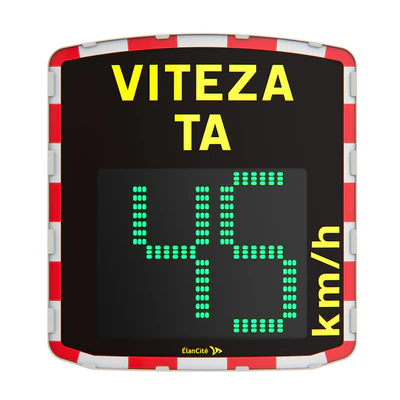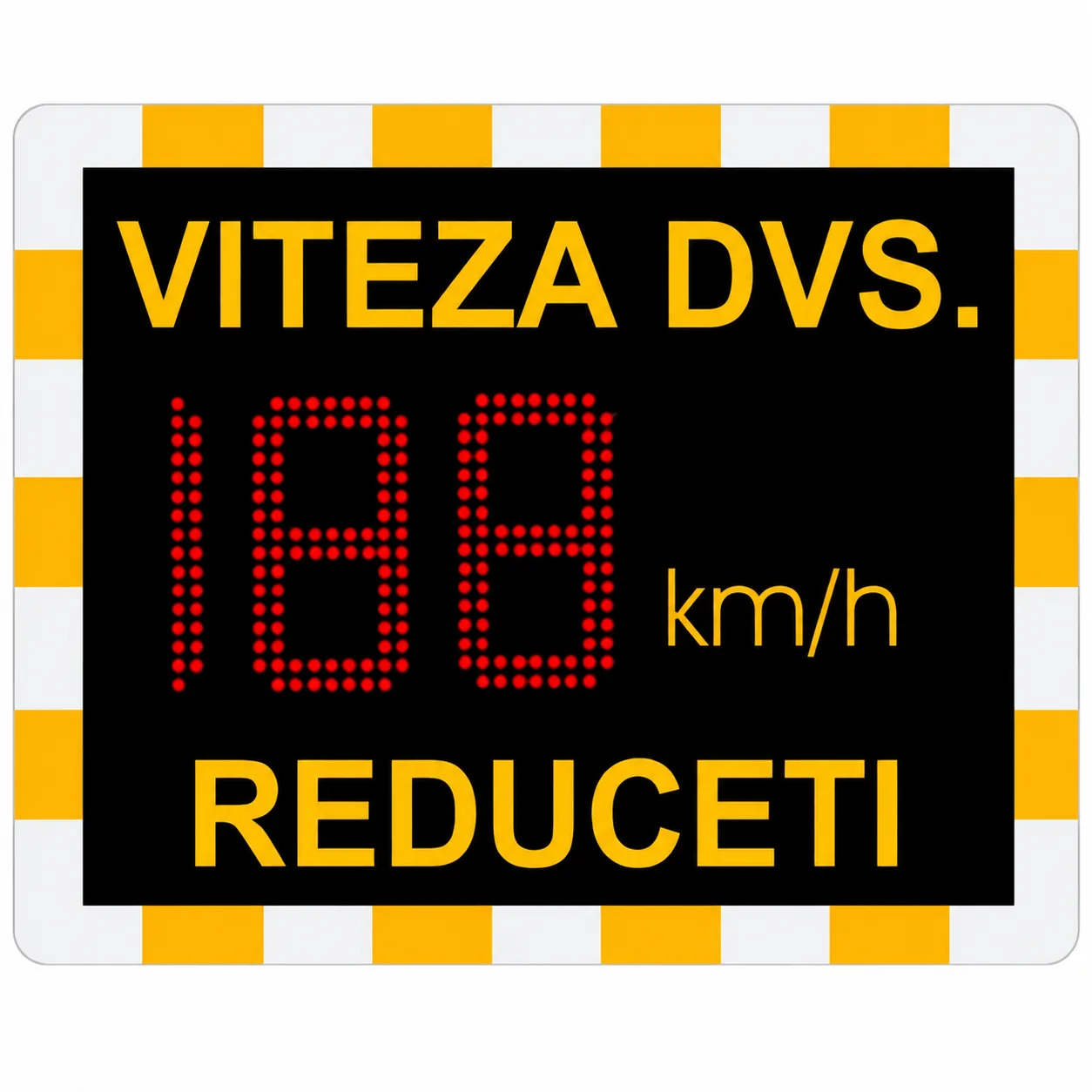
Speed indicator
The speed indicator shall be the instrument showing the instantaneous speed of movement of a vehicle or equipment. It uses mechanical or electronic sensors and is found on cars, trucks, motorcycles, agricultural machinery and industrial equipment, contributing to safety and compliance with legal limits.
In short: multifunctional mechanical, electronic, GPS or digital indicators, chosen after compatibility with the vehicle and the desired precision.
Do you need help choosing?
Tell us what you need and we'll send you the offer on the same working day.
When choosing a speed indicator, first check the compatibility with the vehicle, then the type of display, the accuracy and the quality of the components. Needs differ between cars, trucks and agricultural machinery. The accuracy is influenced by the size of the tyres, the state of the sensors, the calibration of the system and the operation of the transmission, so periodic maintenance ensures correct measurements and a good integration with the systems of assistance to the driver.
The speed indicator helps to monitor the movement correctly. Discover the available types, operation mode and choice criteria.
Speed indicator
The speed indicator shall be the instrument showing the instantaneous speed of movement of a vehicle or equipment. It contributes to safety, compliance with legal limits and effective monitoring of operation, using mechanical or electronic sensors for speed measurement.
Speed indicator
Speed indicator is one of the most important instruments on board, regardless of whether we are talking about cars, trucks, motorcycles, agricultural machinery or industrial equipment. Although it seems to be a simple element, it provides essential information for safe driving, compliance and vehicle protection.
In this guide you will find out how a speed indicator works, which are its main types, what differences exist between mechanical and electronic systems, what problems may arise in use and how you choose the right model when replacing or installing a new one.
What is a speed indicator?
Speed indicator (speedometer) is the device that measures and displays the instantaneous speed with which a vehicle moves.
It may display the information:
- analogue, by means of an indicator needle;
- digital, on an LCD or TFT screen;
- designed on the windscreen by Head-Up Display (HUD) systems.
In addition to speed display, many modern models provide additional information about:
- average speed;
- the legal limit detected by assistance systems;
- alerts to exceed a specified speed;
- data for navigational systems and driving assistance.
How does the speed indicator work?
The operating principle differs according to the technology used.
Mechanical indicator
Older models use a flexible cable connected to the transmission. The movement is transmitted to a magnetic mechanism that moves the needle indicator.
Advantage:
- simple construction;
- low cost;
- easy maintenance.
Disadvantage:
- lower accuracy;
- The wear of the cable over time.
Electronic indicator
Modern vehicles use sensors mounted on:
- the gearbox;
- wheels;
- ABS system.
The data are processed by the electronic unit (ECU), and the speed is displayed digitally or analogically.
Benefits include:
- High precision;
- integration with safety systems;
- electronic diagnosis;
- increased reliability.
Why is the speed indicator important?
A functional speed indicator is not only a legal requirement, but also an essential element for responsible leadership.
The main benefits are:
- compliance with speed limits;
- reducing the risk of accidents;
- avoiding fines;
- monitoring fuel consumption;
- protection of mechanical components;
- more comfortable and efficient driving.
In the case of industrial machinery, speed monitoring also contributes to increasing productivity and reducing the wear and tear of equipment.
Advantages of using a precise speed indicator
A precise system offers many advantages:
- fast display of real speed;
- better vehicle control;
- integration with ADAS systems;
- optimisation of the driving style;
- reduction of consumption;
- identification of any transmission or sensor malfunctions.
Type of speed indicator
Depending on the application, there are several variants.
Mechanical indicator
Meet on classic vehicles.
Characteristics:
- cable operation;
- reduced maintenance;
- Low cost.
Electronic indicator
It's the current standard.
Advantage:
- High precision;
- digital display;
- Integration with ECU.
GPS indicator
Calculate speed using satellite positioning.
It is used for:
- navigation;
- check the actual speed;
- commercial fleet.
Multifunctional digital indicator
Includes:
- speedometer;
- tahomer;
- consumption;
- autonomy;
- temperatures;
- Smart alert.
Differences between the mechanical and electronic indicators
| Characteristic | Mechanical | Electronic |
|---|---|---|
| Precision | Average | Lifted |
| Maintenance | Simple | Very low |
| Electronic integration | No, I don't | Yes |
| Diagnosis | Limited | Complete |
| Reliability | Hello | Very good |
Common errors
The following problems often occur in the operation of the speed indicator:
- ignoring the fluctuations of the needle;
- the use of incompatible sensors;
- incorrect mounting;
- the system's non-calibration;
- the replacement of the worn cable;
- ignore the errors displayed on board.
These situations may lead to incorrect speed display and may affect the operation of other electronic systems.
How do you choose a speed indicator correctly?
When choosing a model, it is recommended to check:
Compatibility
The model shall be compatible with:
- mark;
- the model;
- the year of manufacture;
- the transmission type.
Type of display
You can opt for:
- analogue;
- digital;
- TFT;
- Head-Up Display.
Precision
A certified indicator shall provide stable measurements that comply with the manufacturer's standards.
Quality of components
Choose products made of resistant materials to:
- vibrations;
- high temperatures;
- wetting;
- praf.
Manufacturer
The original components or those manufactured by the consecrated producers usually offer a longer life span and superior compatibility.
Professional advice
Specialists recommend:
- verification of the performance of the indicator at each revision;
- replacement of faulty sensors immediately;
- performing electronic diagnosis when errors occur;
- avoiding uncertified parts;
- compliance with the manufacturer's specifications.
Preventive maintenance reduces the risk of costly malfunctions and ensures correct long-term measurements.
Real example of use
Car
The speed indicator allows compliance with legal limits and adaptation of the driving style to traffic.
Trucks and transport
It helps to comply with the rules on maximum speed and optimises fleet management.
Agricultural machinery
Speed monitoring contributes to the performance of the work in the recommended parameters and to the reduction of fuel consumption.
Industrial machinery
It allows precise process control and increases in-use safety.
Recommendations
For optimal results:
- periodically check the calibration of the system;
- use only compatible components;
- carry out preventive electronic diagnoses;
- immediately replace the damaged sensors or cables;
- requires professional assembly when integrated with other electronic components.
A well-maintained speed indicator contributes to the safety, comfort and efficient functioning of the vehicle.
Conclusion
Speed indicator is much more than a mere instrument of flight. It is a key element for safety, compliance and correct operation of the vehicle or equipment. The choice of a compatible model, periodic maintenance and use of quality components contributes to the accurate display of speed and to the reduction of the risk of traffic malfunctions or incidents.
Commercial benefits
- Precise speed monitoring under all conditions.
- Increased safety in the operation of the vehicle.
- Compliance with legal speed limits.
- Compatibility with modern electronic systems.
- Reduction of the costs of faults.
- High reliability and long duration of use.
- Rapid diagnosis in case of errors.
- Contributing to an economic and responsible driving style.
FAQ
1. What is a speed indicator?
It is the device that measures and displays the instantaneous speed of a vehicle.
2. How does an electronic speed indicator work?
Receives information from sensors mounted on the transmission or ABS system and displays speed via the electronic unit.
3. Why does it sometimes indicate a different speed than GPS?
The differences are normal and are influenced by the manufacturer's tolerances, tyre size and measurement method.
4. Can the speed indicator be broken?
Yeah. The faults can be caused by sensors, wiring, mechanical cable, electrical connections or board problems.
5. Is it mandatory to work?
Yeah. A functional speed indicator is required for the legal and safe use of the vehicle.
6. How do I check if the speed is correctly displayed?
You can compare the values with a GPS device or you can perform a diagnosis in an authorized service.
7. When should it be replaced?
When it indicates erroneous values, it ceases to function or shows constant fluctuations.
8. What influences the accuracy of the speed indicator?
The size of the tyres, the state of the sensors, the calibration of the system and the correct operation of the transmission.
Speed indicator measure and display the speed of movement of a vehicle, contributing to safety and compliance. Choosing a compatible model and periodic maintenance ensures accurate measurements, reliable operation and optimal integration with modern control and driver support systems.