Orientation indicator
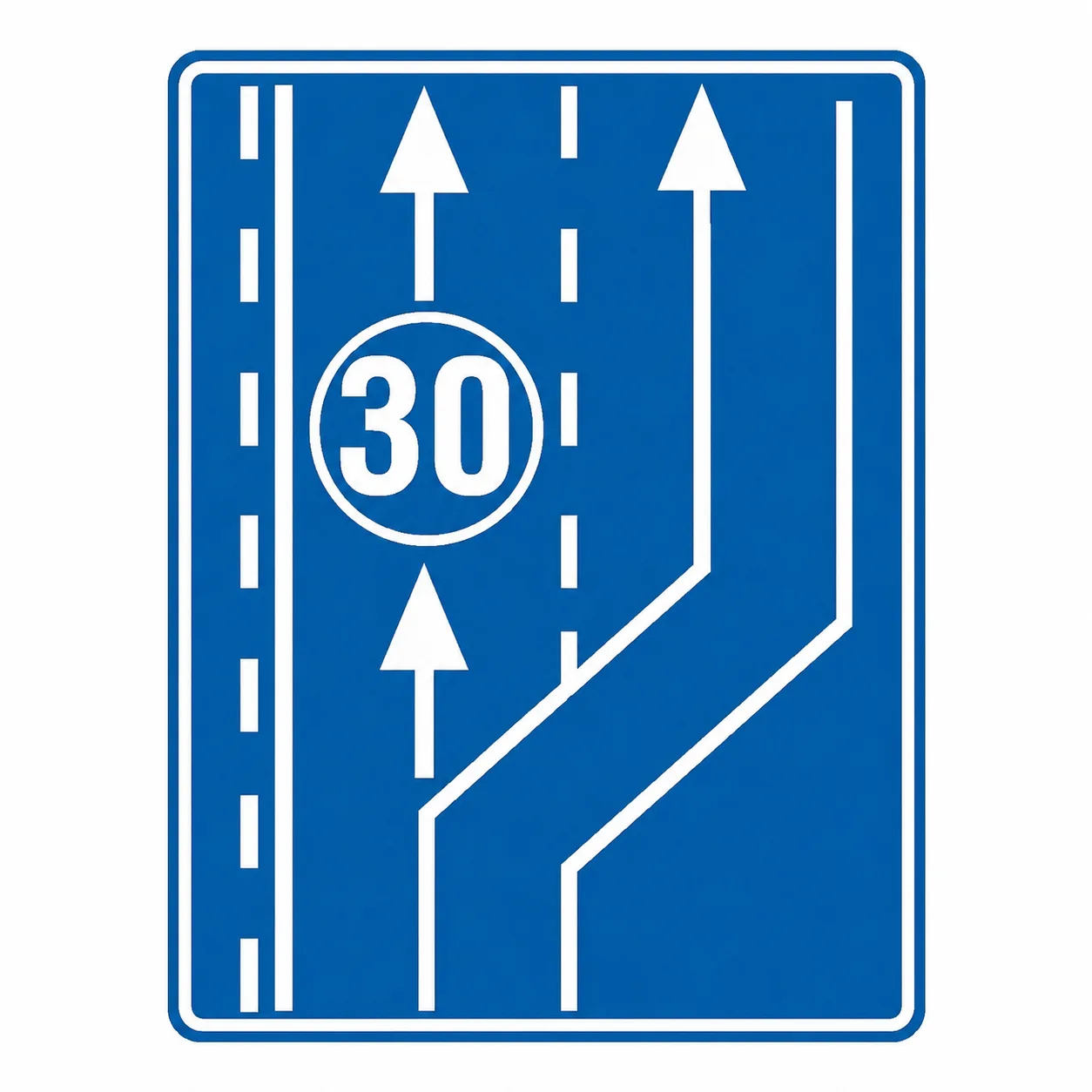
The guidance indicator is a signaling panel that shows the correct direction to a destination, room or area of interest. It quickly guides people in buildings, commercial spaces, institutions and public areas, improving the circulation and experience of users.
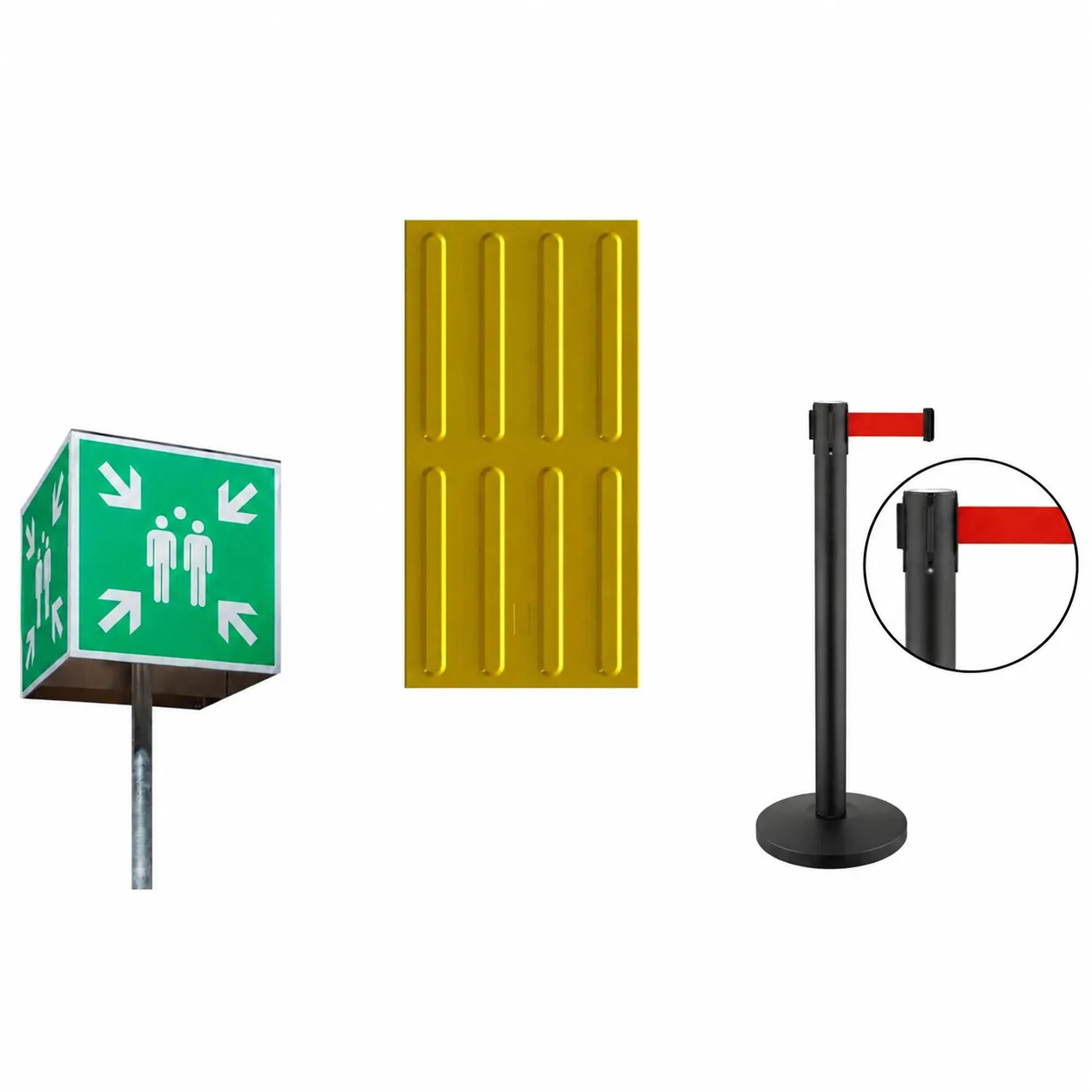
Briefly: directional indicators, floor guidelines, orientation maps, suspended models, murals or exterior, depending on the type of space.
Do you need help choosing?
Tell us what you need and we'll send you the offer on the same working day.
An effective guidance system is designed starting from the actual travel routes in the hospital, shopping center, hotel, office building or public institution. Choose the format according to each decision point, use intuitive symbols and materials adapted to the interior or exterior. The indicators shall be updated whenever the organisation of the space, the names of the rooms or the routes changes, so that the information remains clear.
The guidance indicator helps to guide people quickly and safely in public and private spaces. Discover the types and criteria of choice.
Orientation indicator
One guidance indicator is a signal board that provides information about the correct direction to a destination, room or area of interest. It contributes to the rapid orientation of people, improves user experience and facilitates movement in buildings, commercial spaces, institutions and public areas.
Orientation indicator
Guideline indicator is one of the most important elements of modern signaling systems. Whether we are talking about a shopping center, office building, hospital, hotel or public institution, a clear orientation reduces the time needed to find a destination and contributes to a more enjoyable experience for visitors.
A well designed system of indicators does not only mean the display of arrows. It involves the use of intuitive symbols, readable texts, contrasting colors and the strategic location of each panel. In this article you will find out what is a guidance indicator, how it works, what types exist, how you choose the right option and what mistakes should be avoided for effective signaling.
What is a guidance indicator
One guidance indicator is a visual signalling element designed to guide people to a particular destination or area.
It may contain:
- directional arrows;
- informational text;
- Standardised pictograms;
- international symbols;
- space names;
- information on floors or routes.
The main aim is to reduce confusion and facilitate movement in an intuitive way.
How it works
An effective guidance system shall operate on the basis of a logical path.
The visitor receives successive information, each indicator confirming that it is in the right direction to the final destination.
A complete system shall include:
- external indicators;
- general guidance panels;
- floor managers;
- suspended indicators;
- markings on walls;
- signalling for exits and special areas.
Each element shall be located so that it is observed before the user has to make a decision on the direction of movement.
Why it's important
One guidance indicator well designed offers numerous benefits to both building managers and users.
Among the most important are:
- reducing the time required for guidance;
- reduction of requests to staff;
- improving the flow of traffic;
- increasing safety;
- accessibility for all categories of users;
- the professional image of the organisation.
In areas with intense traffic, efficient signalling shall also contribute to the management of emergency situations.
Benefits and Benefits
The use of quality guidance indicators brings real benefits.
Quick orientation
Visitors immediately identify the right route.
Better experience
Customers and users appreciate easy-to-travel spaces.
Reduction of congestion
The flows of people get better organized.
Professional image
A coherent signaling conveys attention to detail and professionalism.
Compliance
In many areas, comprehensive guidance systems contribute to compliance with accessibility and safety requirements.
Types and variants
There are numerous types of guidance indicators, adapted to different spaces.
The most commonly used are:
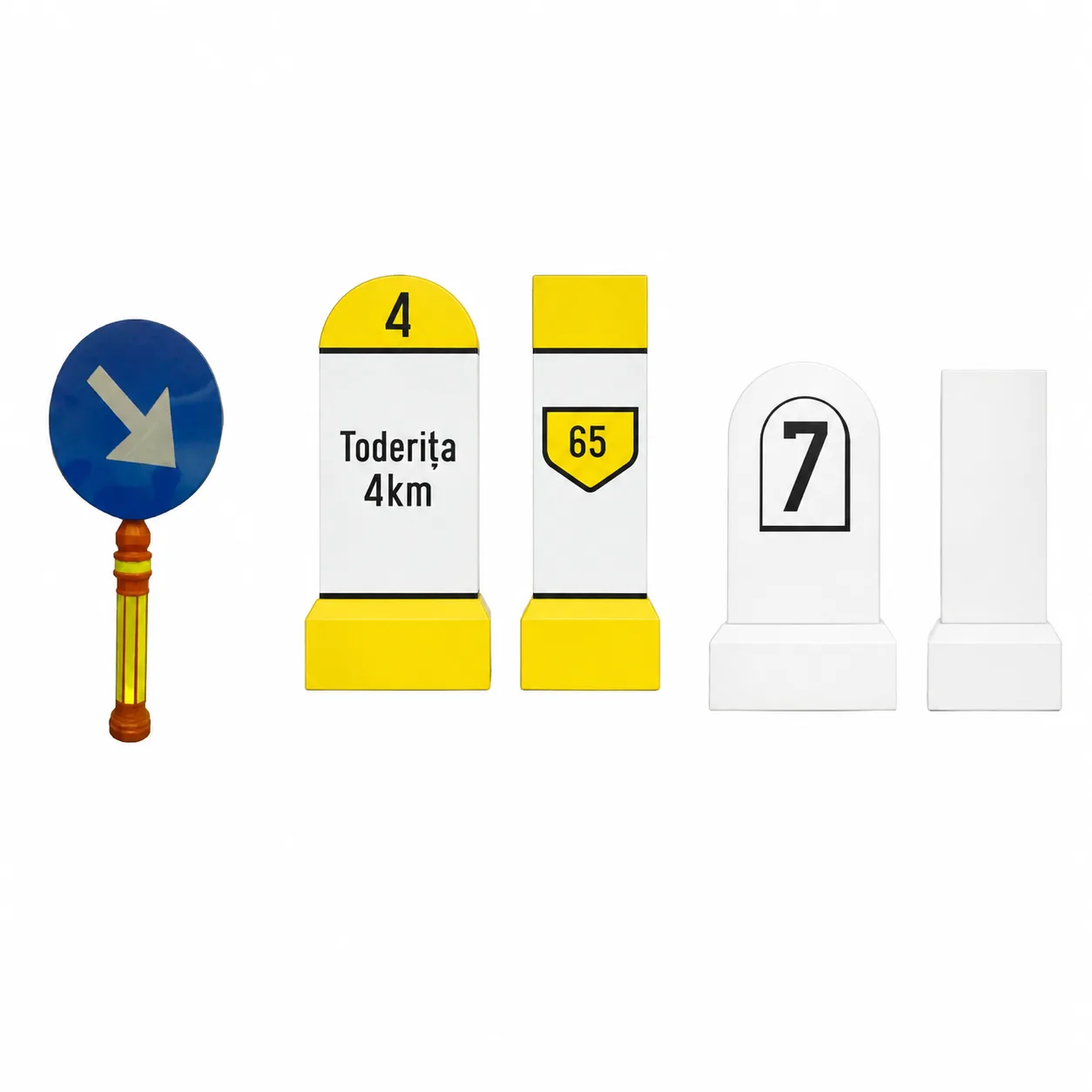
Directional indicator
Contains arrows and name of destination.
Floor Manager
Presents all existing spaces on a level.
Orientation map
Provides the overall image on the building or complex.
Suspended indicator
Visible from a distance in areas with intense traffic.
Wall indicator
Mount on the walls and guide the movement.
External indicator
Direct visitors from the parking area or main access area.
Differences and comparisons
The guidance indicator is often confused with other types of signalling.
Orientation indicator vs. information indicator
- the guidance indicator indicates the direction;
- the information indicator provides details of a service or location.
Orientation indicator vs. warning indicator
- guidance shall guide the movement;
- the warning indicates a risk or danger.
Orientation indicator vs. security indicator
- guidance facilitates daily navigation;
- the security signal indicates emergency exits, extinguishers or PSI equipment.
Common errors
A guidance system may become ineffective if not properly designed.
The most common mistakes are:
- too small text;
- reduced contrast between background and letters;
- too much information on the same panel;
- the use of unclear symbols;
- location at inappropriate heights;
- lack of continuity of the route;
- different design between indicators.
These problems can cause confusion and may affect the experience of users.
How to choose a guidance indicator correctly
Space analysis is recommended prior to the choice of a model.
Consider:
- the size of the building;
- the viewing distance;
- the flow of persons;
- lighting of space;
- use of standard pictograms;
- material strength;
- the indoor or outdoor environment;
- the visual identity of the company.
The materials used may include aluminium, PVC, plexiglas, composite, stainless steel or LED illuminated variants.
Professional advice
For optimal results:
- use easy-to-read fonts;
- maintain the same visual identity throughout the system;
- limit the information to the strictest necessary;
- use internationally recognised pictograms;
- check the routes from the perspective of a visitor first on site;
- place the indicators before the decision points.
A periodic signaling audit can quickly identify areas requiring improvement.
Real Example
Hospital
The indicators help patients quickly find the offices and sections.
Shopping Centre
Visitors identify shops, elevators, toilets and unhindered parking.
Hotels
Signage facilitates access to rooms, reception, restaurants and conference rooms.
Office buildings
Employees and visitors quickly find the departments and meeting rooms.
Public institutions
Flows are organised efficiently, reducing waiting time and requests to staff.
Recommendations
For an effective guidance system:
- carry out a complete plan of the routes;
- use durable material;
- comply with accessibility standards;
- retains a unitary design;
- update the indicators when changes occur in the space compartment;
- periodically check the readability and condition of the panels.
Investment in a well-thought-out signaling contributes to safety, efficiency and a positive user experience.
Conclusion
One guidance indicator It's a lot more than just a board with an arrow. It is an essential component of any modern signaling system and directly influences how people interact with a space. When properly designed and located, it reduces confusion, optimizes circulation and strengthens the professional image of the organisation. Choosing suitable materials, coherent design and strategic positioning ensures an efficient and easy-to-use long-term system.
Commercial benefits
- Reduction of visitor orientation time.
- Increasing customer and user satisfaction.
- Better organized flow of circulation.
- Professional and unitary aspect of the location.
- Decrease in requests to staff.
- Compliance with accessibility and safety requirements.
- Durable materials for long use.
- Possibility of customization according to visual identity.
FAQ
What is a guidance indicator?
It is a signboard indicating the direction to a destination or a space from a building or public area.
Where are the guidance signs used?
In hospitals, hotels, office buildings, shopping centers, public institutions, airports, campuses and industrial spaces.
What materials are used to produce the indicators?
The most common are aluminium, PVC, plexiglass, aluminium composite and stainless steel.
What is the difference between a guidance indicator and an information indicator?
The guidance indicator shows the direction, while the information indicator provides details of a service, space or activity.
How do I choose the right size?
The size depends on the distance of viewing, location and volume of information displayed.
Can they be customized?
Yeah. The colours, graphics, logo, materials and mounting systems may be adapted according to visual identity.
Are there standards for pictograms?
Yeah. It is recommended that internationally recognised pictograms such as those of ISO standards be used for rapid understanding.
How often do they need to be updated?
Whenever the organisation of the space, the names of the rooms or the circulation routes is changed.
One guidance indicator guide users to the desired destination through clear information, intuitive symbols and strategic location. A well-designed guidance system improves circulation, increases safety and provides more efficient experience in any type of building or public space.