Reporting indicator
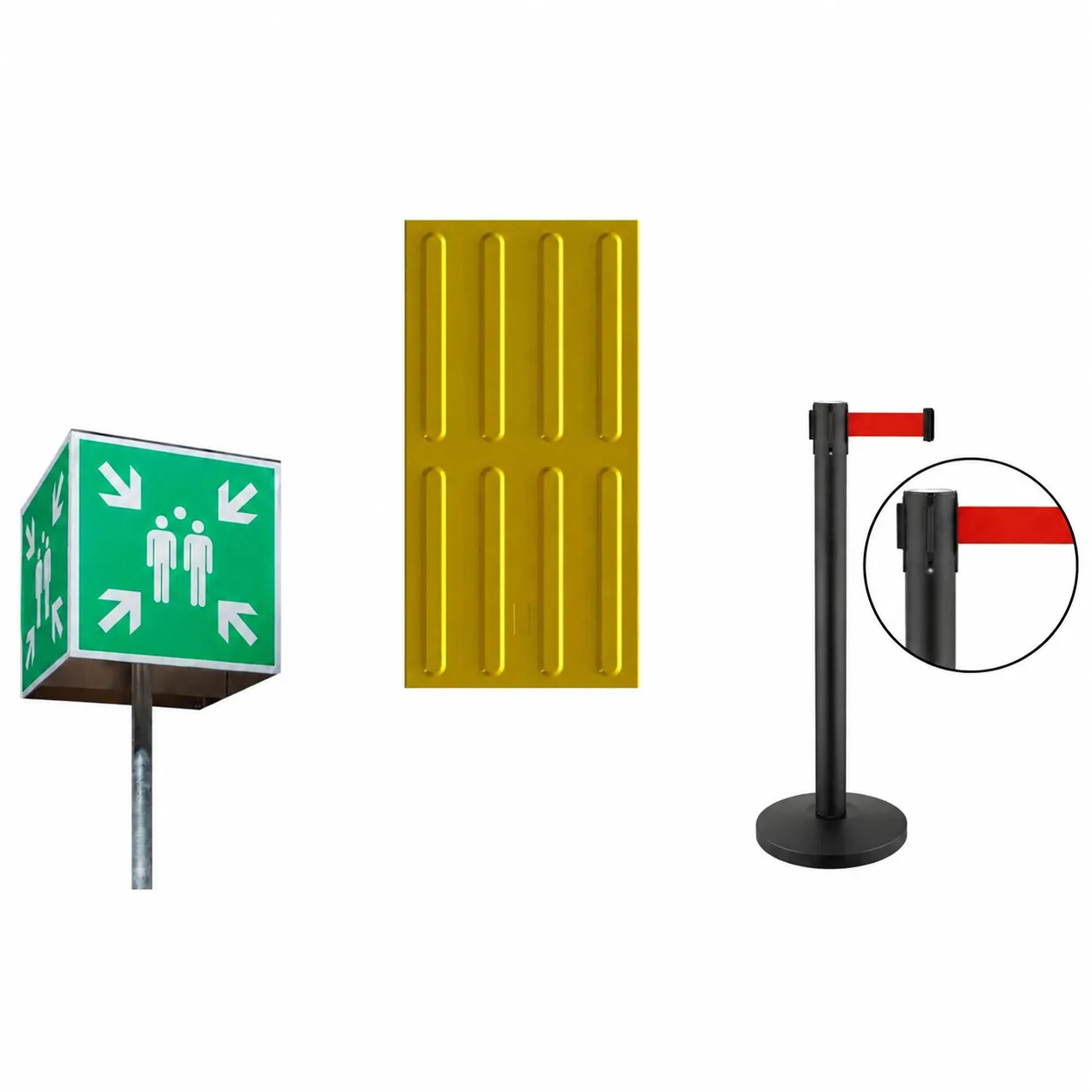
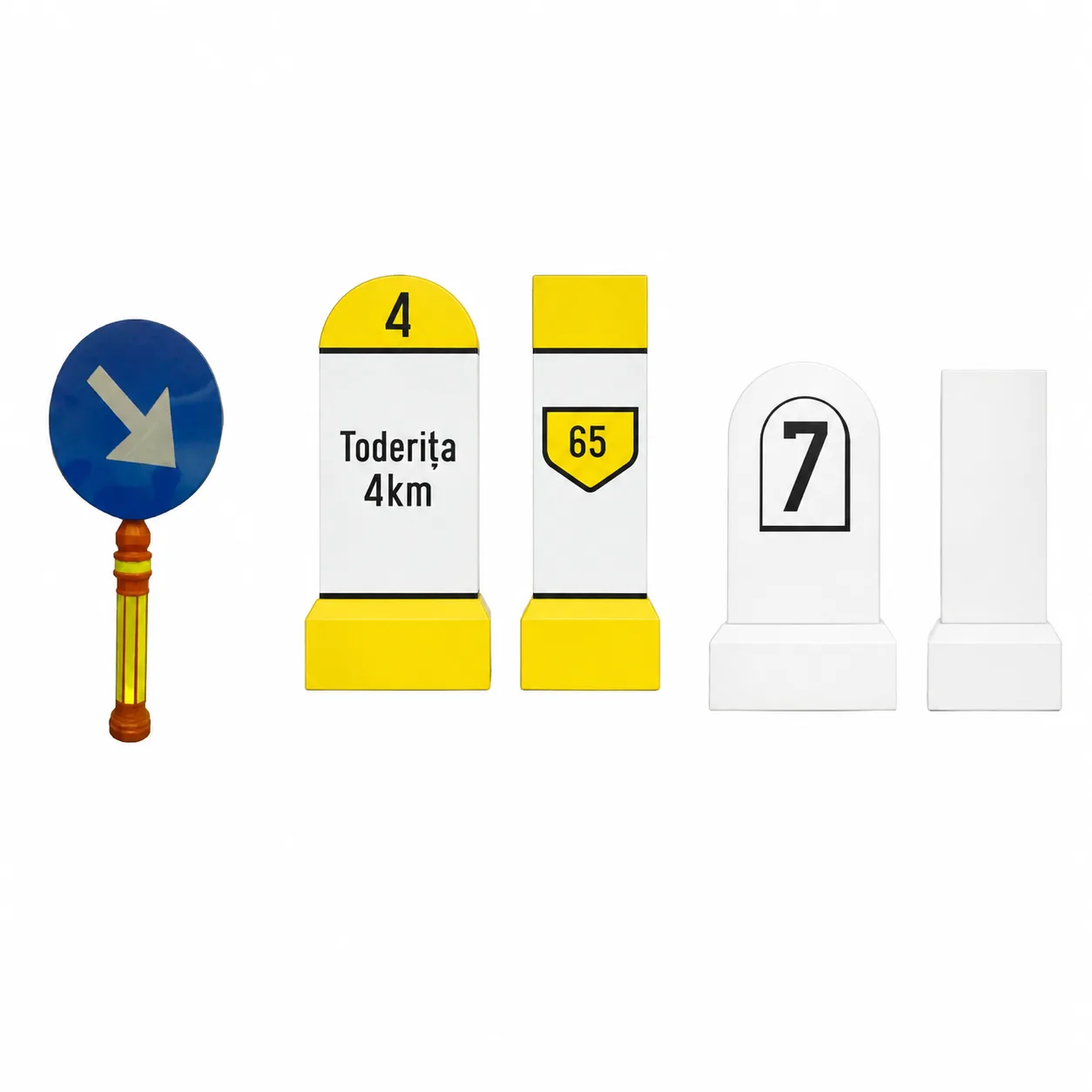
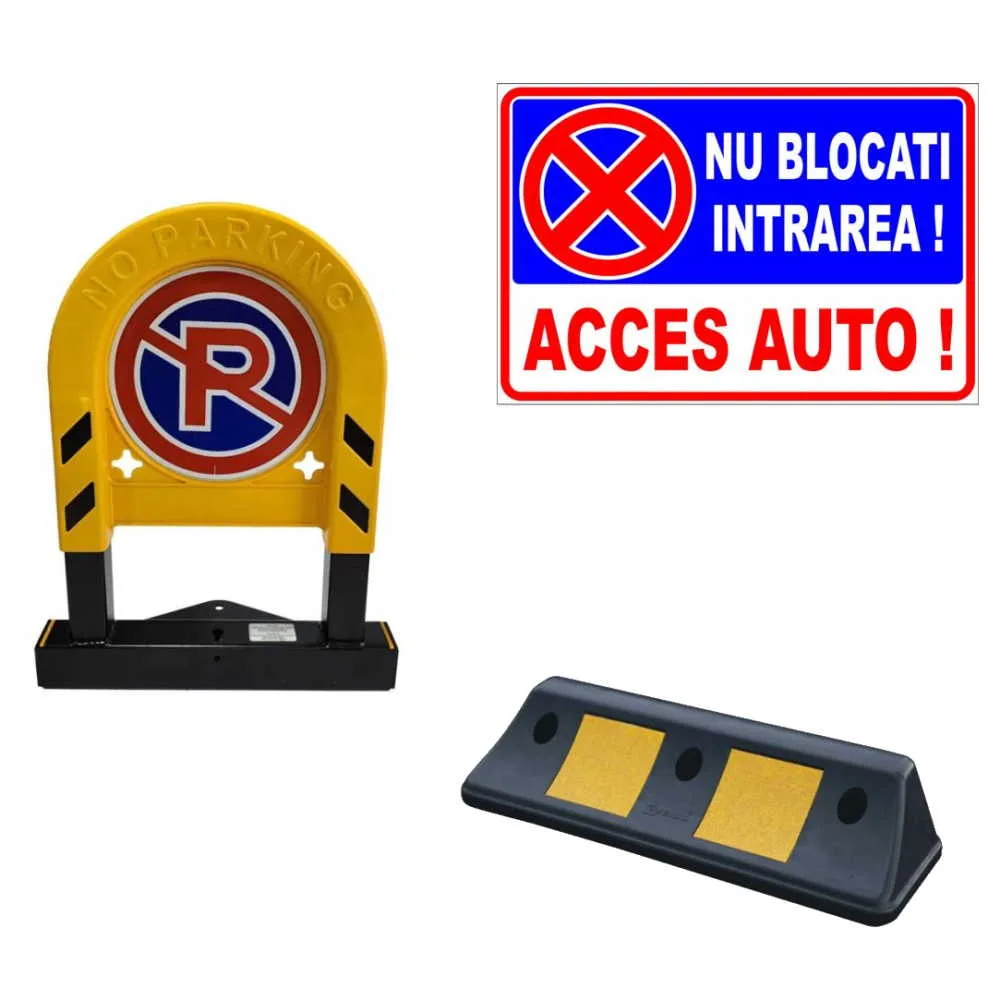
The information indicator is a signaling board that provides useful information about locations, services, rules or directions to follow. It is used in buildings, public spaces and industrial areas, where it helps to quickly orientate, increases safety and supports compliance with legal signalling requirements.
In short: directional indicators, for services, institutional or industrial, chosen after the destination of space, visibility and material.
Do you need help choosing?
Tell us what you need and we'll send you the offer on the same working day.
When choosing the information indicators, it starts from the destination of the space and from the distance from which it should be read, which determines the appropriate size. It counts the visibility, the material resistant to the conditions in the area and a clear design, adapted to the visual identity and requirements of each organization. The periodic verification shall ensure the readability, integrity and updating of the information displayed so that visitors are easily guided.
The information indicator shall provide instructions and information essential for guidance, safety and compliance in public and private spaces.
The information indicator is a signaling board that provides useful information about locations, services, rules or directions to follow. It contributes to the rapid orientation of people, increased safety and compliance with legal requirements in buildings, public spaces and industrial areas.
Information indicator – what it is, where it is used and why it is important
Information indicator is one of the most common visual signalling elements in public, commercial and industrial spaces. Although it seems to be a simple detail, its role is essential for the orientation of people, the rapid transmission of information and the creation of a safe and organised environment.
Whether it is a building of offices, a shopping center, a public institution, a hospital or a factory, the information indicators help users find the desired destination easier, respect existing rules and react correctly in different situations.
You will then find out what the information indicators are, how they work, what types exist and how you choose the right option for your needs.
What is an information indicator?
Information indicator is a signaling element intended to convey clear and easily understood information to the public. Its role is not to prohibit or compel, but to guide, orient and inform.
According to destination, indicators may indicate:
- entries and exits;
- receptions;
- health groups;
- parking spaces;
- information points;
- elevators;
- steps;
- waiting areas;
- services available;
- rules for the use of space.
This information shall be visible, legible and easily understood regardless of the user's level of training.
How does the information indicators work?
The principle is simple: rapid transmission of information through standardised symbols, texts or pictograms.
Most indicators use:
- easy to recognise colors;
- universal symbols;
- high contrast;
- dimensions adapted to the viewing distance;
- resistant material.
These features allow the information to be identified in just a few seconds, without the user having to read complex explanations.
Why are information indicators important?
Importance of a Information indicator overcomes the aesthetic aspect. It directly influences the experience of people using space.
Key benefits include:
- rapid orientation;
- reducing search time;
- reducing confusion;
- increasing safety;
- compliance with the flag legislation;
- improving the flow of people;
- professional image of the company.
In buildings with intense traffic, a well-implemented signaling reduces crowding and facilitates the movement of visitors.
Types of information indicators
There are many variations depending on the purpose of use.
Directional indicators
It helps users reach a particular destination.
Example:
- Reception
- Lift
- Output
- Parking
- Entry
Service indicators
It points to the existence of facilities.
Example:
- Toilet
- Wi-Fi
- Information
- Dress
- Cash register
Institutional indicators
Use in:
- hospitals;
- schools;
- the improvement of public health;
- universities;
- Administrative headquarters.
Industrial indicators
They are used in:
- factories;
- deposits;
- industrial halo;
- Logistic platforms.
They shall provide information on the internal movement and identification of the different areas.
Information indicator versus other types of signalling
It is important not to confuse information indicators with other categories of indicators.
| Indicator type | Main role |
|---|---|
| Reporting indicator | Provides information and guidance |
| Warning indicator | Warning about a danger |
| Prohibition indicator | Prohibits certain actions |
| Obligation indicator | Imposes mandatory behaviour |
| Evacuation indicator | Indicate the escape route |
Each category has a distinct role and complies with specific standards.
Frequent errors in choosing indicators
Inefficient signaling can create confusion and reduce the level of safety.
The most common mistakes are:
- the use of too small dimensions;
- location in hard-to-reach locations;
- lack of contrast between background and text;
- use of unclear symbols;
- the choice of environmentally inappropriate materials;
- deterioration of the indicators without replacement.
These issues affect the efficiency of the information system and can cause difficulties for users.
How do you choose an information indicator correctly?
For an appropriate choice, it is recommended that you consider more criteria.
Destination of space
Signalling differs between:
- administrative buildings;
- commercial spaces;
- public institutions;
- medical units;
- Industrial halo.
Visibility
The indicator shall be quickly observed from the required distance.
Material
Depending on the operating environment, the following may be chosen:
- PVC;
- aluminium;
- Plexiglas;
- reflector material;
- UV-resistant materials and moisture.
Design
A simple and coherent design facilitates the identification of information effortlessly.
Professional advice for effective signaling
Specialists recommend:
- use of standardised pictograms;
- maintaining a unitary design throughout the building;
- periodic verification of the status of the indicators;
- mounting to the optimum height for visibility;
- the choice of sustainable materials;
- update the information when changes occur.
These measures contribute to a better user experience and to maintaining a well-organized space.
Real example of use
Information indicators are found in a wide range of domains.
In a hospital, they indicate the medical sections, laboratories and offices.
In a commercial center, helps customers find shops, parking lots and service areas.
Into it office building, facilitate access to reception, meeting rooms and departments.
Into it industrial unit, identify operational areas, warehouses and roads.
Recommendations for choosing a complete information system
For optimal results it is recommended to:
- use indicators in accordance with applicable standards;
- select durable and easy-to-maintenance materials;
- adapt the size of the indicators to the available space;
- maintain a unitary visual identity;
- periodic checks on their readability and integrity.
A well-designed signaling contributes both to the comfort of users and to the professional image of the organisation.
Conclusion
Information indicator is an indispensable element in any space intended for the public or for professional activities. It facilitates orientation, reduces confusion and supports a safe and organised environment through the information it transmits.
Choosing quality indicators, properly located and adapted to the destination of space, is an investment in efficiency, accessibility and compliance with applicable requirements.
Commercial benefits
- Improve Orientation visitors and reduce search time.
- Contributing to compliance on signalling and safety.
- Increasing the efficiency of the flow of people in buildings and commercial spaces.
- Reduce requests to staff for indications.
- Provides a professional aspect and well-organized the location.
- Can be customized depending on the visual identity and requirements of each project.
- It is available in durable materials, suitable for both indoors and outdoors.
FAQ
What is an information indicator?
It is a signaling element that provides useful information about orientation, services, rules or facilities available in a given space.
Where are the information indicators used?
In office buildings, public institutions, hospitals, hotels, shopping centres, schools, factories and warehouses.
Are information indicators mandatory?
In many situations, yes. Obligations depend on the applicable legislation and the destination of the building.
What materials are they made of?
The most commonly used materials are PVC, aluminium, plexiglass and reflective materials.
How do I choose the right size?
The size shall be adapted to the viewing distance and the location of the indicator.
What is the difference between an information indicator and a warning indicator?
The information indicator shall provide guidance and useful information, while the warning indicator shall indicate a danger.
Can they be customized?
Yeah. Indicators may be made according to the visual identity, colours and requirements of each organisation.
How often do you need to check?
Regular verification is recommended to ensure readability, integrity and update of the information displayed.
The information indicator facilitates orientation, transmits essential information and contributes to the safety of users in any type of building. The choice of visible, space-adapted and compliant indicators improves visitor experience and supports compliance with signaling requirements.