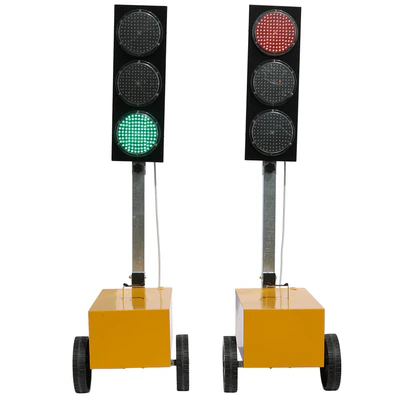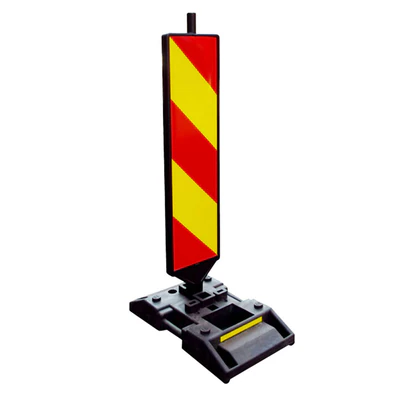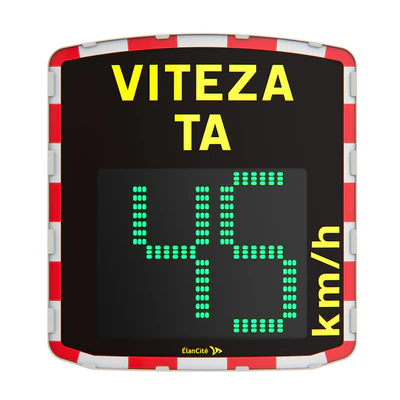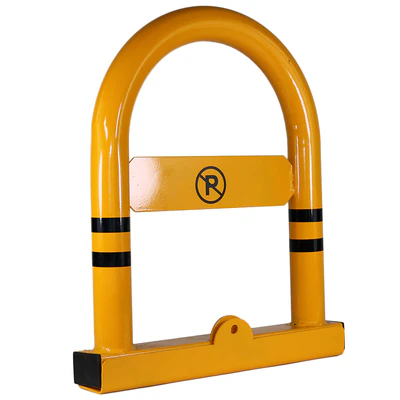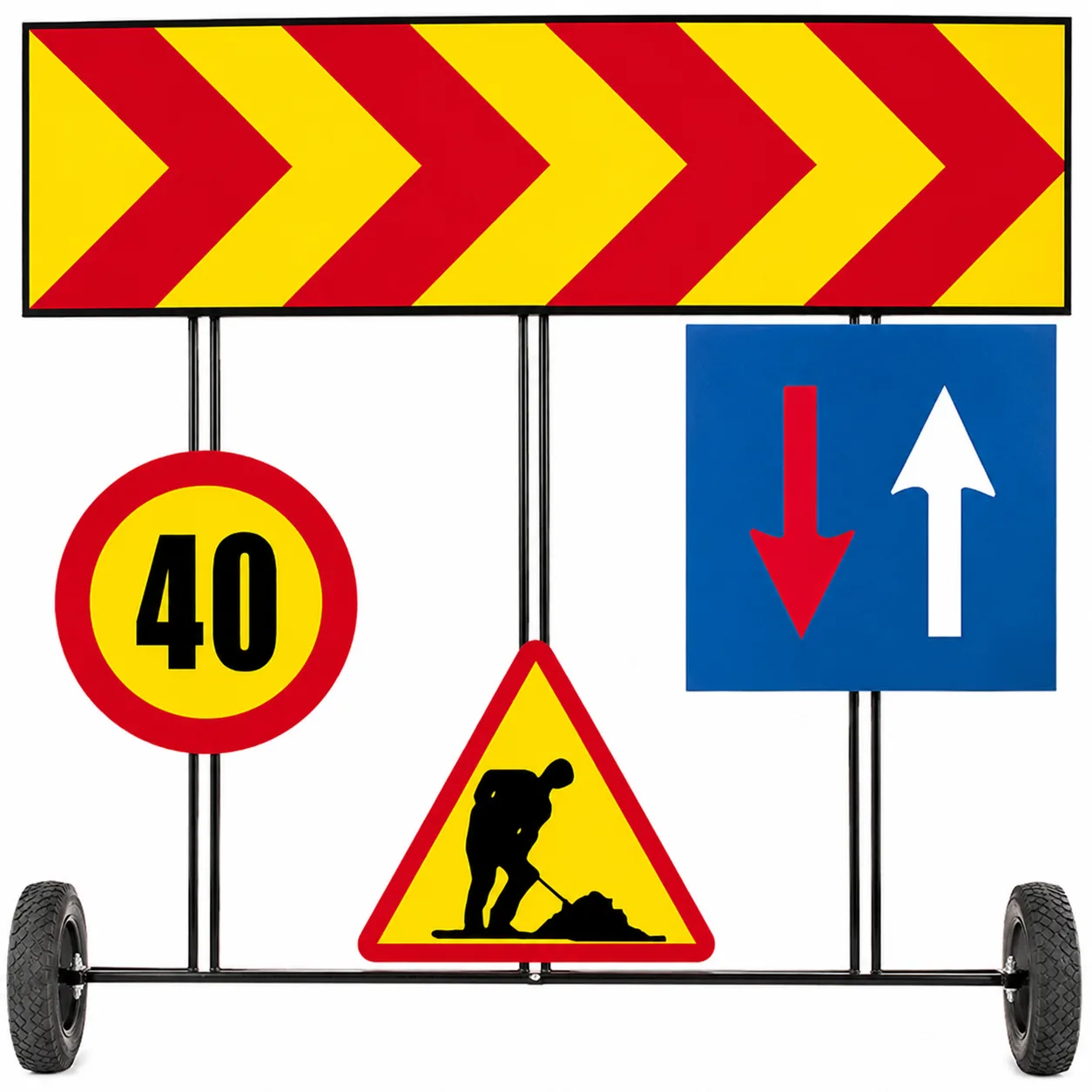
Portsignalization trolley
The portsignalization trolley is a equipment for the transport and organization of mobile road signs, cones and other signalling accessories. Reduces handling time, protects equipment and allows rapid intervention on construction sites, on road works or in emergency situations.
In short: multi-functional, heavy-duty or compact indicator carriages, chosen after the volume of equipment and terrain.
Do you need help choosing?
Tell us what you need and we'll send you the offer on the same working day.
Choose the wagon by the number and type of equipment carried and by the field on which it works. The most common mistakes are choosing a model too small, ignoring the quality of the wheels and the lack of fixing systems. On the rugged terrain are suitable pneumatic wheels or large diameter. In the face of manual transport, a robust wagon reduces the time of intervention, protects the indicators and increases the safety of operators and traffic participants.
The signalling trolley facilitates the transport and storage of road signs, increasing safety and efficiency in construction sites and interventions.
One portsignalization carriage is an equipment intended for the transport and organisation of mobile road signs, cones and other signalling accessories. It reduces handling time, improves team safety and allows rapid intervention in construction sites, road works or emergency situations.
Portsignalization trolley is one of the essential equipment for companies carrying out road work, maintenance activities or interventions in areas where traffic is to be organised temporarily. The efficient management of indicators and signalling accessories contributes both to the safety of workers and to the protection of traffic participants.
In this guide you will find out what a carrier signage is, how it works, what types exist and what are the important criteria of choice. You will also discover the benefits of its use, the frequent mistakes to be avoided and useful recommendations for sustainable and efficient investment.
What is a portsignal cart?
One portsignalization carriage is a mobile support designed for the transport and organised storage of road signalling equipment.
Depending on the model, it may carry:
- Road signs mobile;
- metal supports;
- signalling cones;
- markings;
- warning lamps;
- mobile barriers;
- other accessories necessary to delineate the working areas.
The main aim is to reduce the time required to assemble and gather temporary signals.
How does it work?
The operating principle is simple.
The equipment is loaded on the wagon, and the operator can transport it quickly to the work area.
Most models include:
- resistant metal frame;
- wheels with a large diameter for varied land;
- fixing systems for indicators;
- dedicated spaces for cones and accessories;
- ergonomic handles for easy handling.
This system reduces physical effort and optimises interventions.
Why is it important to have a portsignal cart?
The efficient organisation of signalling equipment directly influences the safety of work.
The benefits are evident:
- faster mounting of the signaling;
- reducing the time spent on roadway;
- reducing the risk of accidents;
- safe transport of the indicators;
- protection of equipment against damage;
- Increased productivity for teams.
In the case of urgent interventions, each saved minute can have a major impact on safety.
Benefits and Benefits
Use of a portsignalization carriage offers many practical advantages.
Efficient organisation
All equipment is transported to one place.
Easy handling
Operators make less physical effort.
Protection of indicators
Correct fixing reduces hits and scratches.
Time saving
The mounting and dismantling of the signal shall be carried out much faster.
Increasing safety
Reducing the time spent in close proximity to traffic reduces risk exposure.
Long-term reduced costs
Equipment is protected and requires fewer replacements.
Types and variants
There are several models adapted to different applications.
Wheelchair for road signs
Specially designed for the transport of panels and supports.
Multifunctional trolley
Allows the simultaneous transport of:
- the accounts;
- indicators;
- beacons;
- lămpilor.
Heavy loader for construction sites
For complex work and intensive use.
Compact trolley
Ideal for quick interventions and restricted spaces.
Differences and comparisons
Car vs. manual transport
Manual transport
- high time consumption;
- high physical effort;
- risk of deterioration.
Portsignalization trolley
- rapid handling;
- excellent organisation;
- increased safety;
- operational efficiency.
The difference is significant for the teams that intervene daily.
Common errors
When choosing a portsignal cart, many users make some common errors.
Choosing a model too small
Insufficient capacity requires repeated transport.
Ignoring the quality of the wheels
Low-quality wheels reduce mobility on rough terrain.
Lack of fastening systems
Indicators may fall during travel.
Improper materials
Models made of lower materials shall be used quickly.
Failure to adapt to type of work
A model intended for light intervention is not suitable for complex construction sites.
How do you choose right?
Prior to purchase, consider some key aspects.
Loading capacity
Choose a model suitable for the volume of equipment used.
Frame material
Galvanised steel or aluminium provides high corrosion resistance.
Type of wheels
Tyre wheels are recommended for rough terrain.
Ergonomy
A comfortable handle facilitates daily use.
Compatibility
Check if it supports the dimensions of the indicators used.
Professional advice
Specialists recommend:
- periodic inspection of the wheels;
- cleaning after each use;
- storage in dry spaces;
- compliance with the maximum permissible load;
- verification of the fixing elements before each intervention.
A minimum maintenance lengthens the life of the equipment considerably.
Real example of use
A portsignalization cart is frequently used in:
- Asphalting works;
- road repairs;
- maintenance of motorways;
- Utilities interventions;
- infrastructure works;
- urban shipyards;
- the delimitation of risk zones;
- temporary events requiring diversion of traffic.
In all these situations, mobility and efficient organisation help to reduce the time to intervene.
Recommendations
For intensive use, the choice of a model that offers:
- robust metal structure;
- Anti-rozotic treatment;
- wear-resistant wheels;
- high load capacity;
- efficient fixing systems;
- reduced maintenance.
Investment in quality equipment shall be amortised by reducing working time and protecting signalling accessories.
Conclusion
One portsignalization carriage is a practical solution for the transport, organisation and protection of temporary signalling equipment. Choosing a model adapted to the type of activity contributes to the efficiency of operations, to the reduction of physical effort and to the increase of safety in construction sites, interventions and road works. By carefully assessing capacity, materials and fixing systems, you can make a sustainable investment that brings long-term benefits.
BENEFICII COMERCIALE
- Fast transport of indicators and accessories.
- Reduction of the time for mounting and dismantling of signals.
- Efficient organisation of equipment on the ground.
- Decrease the physical effort of the operators.
- Protection of indicators against damage.
- Increase the safety of intervention teams.
- Reduced costs by replacing damaged equipment.
- Higher productivity in road works.
- Excellent mobility even on difficult terrain.
- Long term operation due to robust construction.
FAQ
What is a portsignal cart?
It is a mobile equipment used for the transport and organisation of road signs and signalling accessories.
Who uses a carrier carrier?
Construction companies, road maintenance companies, utilities, public institutions and intervention teams.
What can carry a portsignal cart?
Mobile indicators, cones, beacons, metal supports, barriers and warning lamps.
What materials is it made of?
The most common variants are made of galvanized or aluminium steel, for corrosion resistance.
How do I choose the right model?
It shall take into account the load capacity, the dimensions of the indicators, the type of wheels and the conditions of use.
Need maintenance?
Yeah. Periodic inspection of wheels, fasteners and cleaning after use is recommended.
Can it be used on the rugged terrain?
Yes, if it is equipped with pneumatic wheels or large diameter.
What's the main advantage?
Reduces intervention time and improves the safety of operators and traffic participants.
One portsignalization carriage optimise the transport and organisation of temporary signalling equipment, reducing the time of intervention and increasing safety in road works. Choosing a robust and application-adapted model ensures operational efficiency and protects long-term investment.