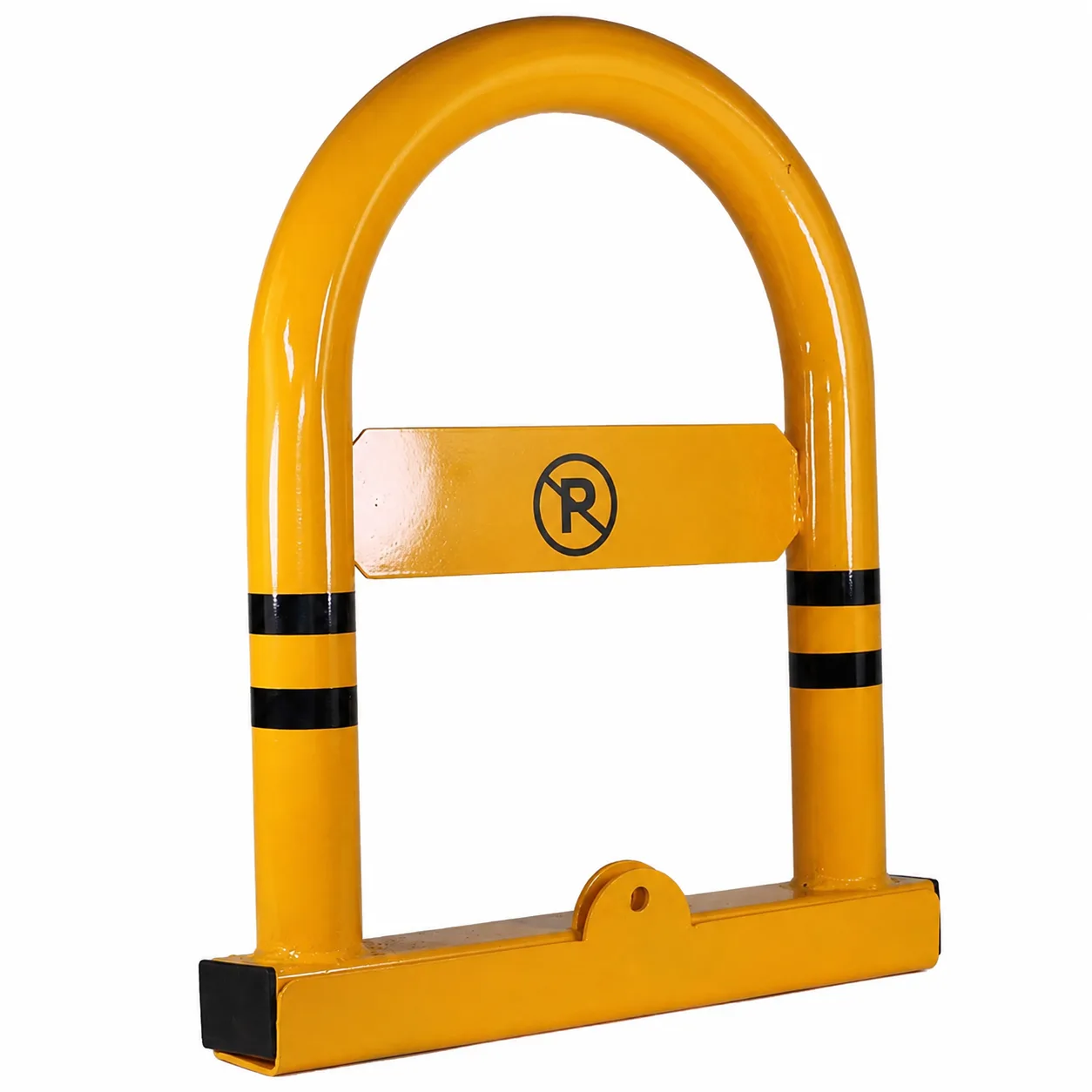
Mobile locker
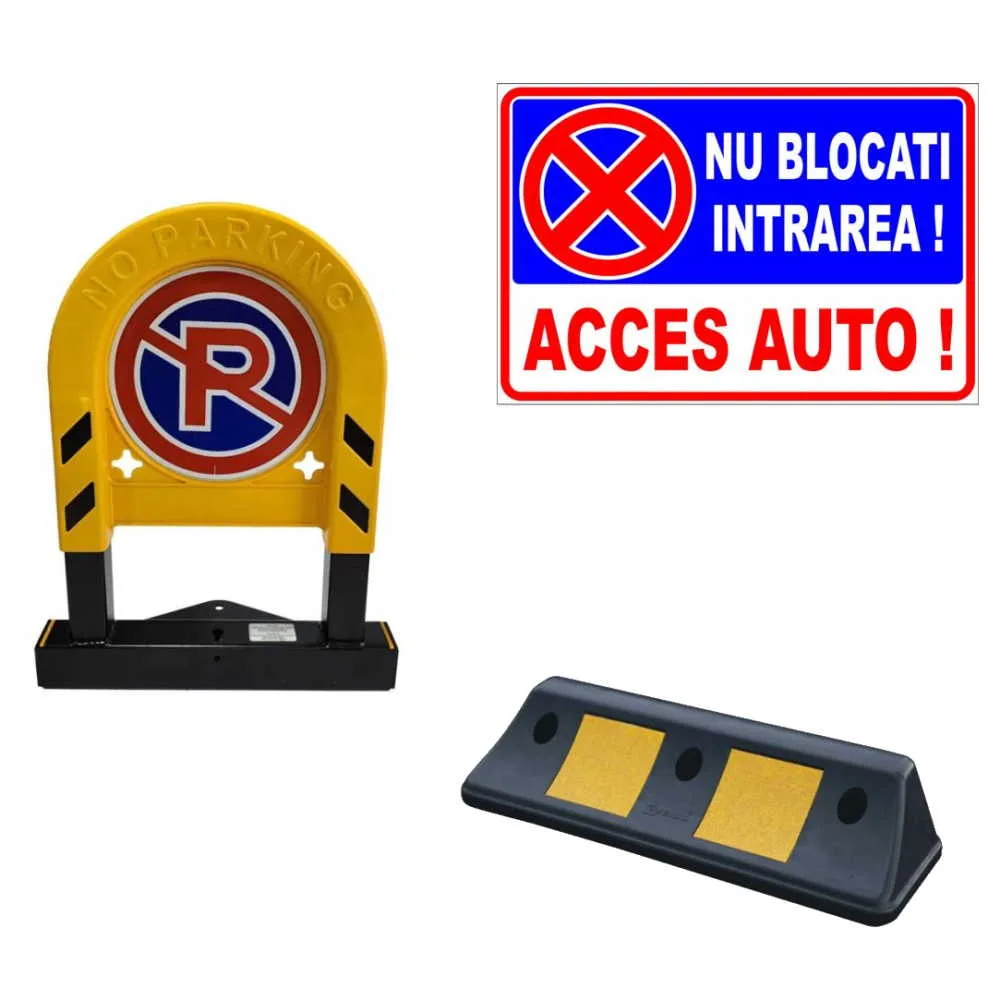
The mobile blocker is a device or system designed to prevent the uncontrolled movement of mobile equipment or to limit its operation under certain conditions. It is used in industrial, commercial and logistical applications, where safety and control over equipment is increased.
In short: the blockers may be mechanical, hydraulic, pneumatic, electromechanical or wheeled, chosen after application and maximum load.
Do you need help choosing?
Tell us what you need and we'll send you the offer on the same working day.
The choice of a mobile blocker depends on the type of application, the maximum load, the frequency of use and the working environment. A suitable model brings increased safety, protects equipment, improves productivity and reduces costs. Depending on the application, there may be safety requirements for machinery, CE marking and compliance with European standards, and periodic maintenance keeps the locker in good working order.
Mobile blocker explained on everyone's understanding: operation, benefits, available types and recommendations for choosing an efficient solution.
A mobile blocker is a device or system designed to prevent the uncontrolled movement of mobile equipment or to limit its operation under certain conditions. The choice of the right model depends on the application, the desired level of safety and the environment in which it is used.
Mobile Blocker – full guide about operation, advantages and choice of the right solutionMobile Blocker is a solution used in a wide range of industrial, commercial and logistical applications to increase the level of safety and control over mobile equipment. Whether we are talking about mechanical systems, wheel locks or other mechanisms to prevent accidental movements, their role is essential in reducing risks.
In this guide you will find out what is a mobile blocker, how it works, where it is used, what types exist and what are the important criteria when choosing a suitable solution. You will also find practical recommendations and answers to the most frequently asked questions from users.
What is a mobile blocker?
Mobile Blocker is a device intended to limit or prevent the uncontrolled movement of a mobile equipment. Depending on the field of use, it can have a mechanical, hydraulic, pneumatic or electronic role.
The main purpose is to prevent accidents and to protect both operators and equipment or goods handled.
Common applications include:
- industrial platforms;
- loading ramps;
- industrial wagons;
- mobile machinery;
- towing;
- logistics equipment;
- production facilities.
How does a mobile blocker work?
The operating principle differs by model.
The most common variants use:
- mechanical locking, by stoppers or fastening systems;
- hydraulic locking, used for large loads;
- pneumatic locking, encountered in automation;
- electromechanical locking, electronically controlled.
In most applications, the blocker prevents accidental movement until the operator authorises the release of the system.
This mechanism contributes to safe operations and reduces the risk of incidents.
Why is a mobile blocker important?
In industrial environments, accidental movement of equipment may result in:
- accidents at work;
- deterioration of machinery;
- material losses;
- interruption of production processes;
- additional repair costs.
One Mobile locker reduces these risks and contributes to compliance with the safety and security rules at work.
The use of an appropriate solution can also improve the organisation of the logistics flow and operational efficiency.
Advantages of using a mobile blocker
The implementation of a locking system offers many benefits.
Increased safety
Reduces the risk of uncontrolled movements and protects operators.
Equipment protection
Prevents the blows, impacts and damage caused by accidental movements.
Better productivity
Loading and unloading processes become safer and faster.
Reduced costs
Expenditure generated by accidents, damage and periods of non-operation shall be reduced.
Compliance
It helps to comply with occupational safety and health requirements.
Types of mobile locking machines
There are numerous variants adapted to specific applications.
Mechanical locks
They are robust, easy to use and require reduced maintenance.
Hydraulic locks
Recommended for very large tasks and industrial applications requesting.
Airlocks
Used in automated processes where compressed air supply is available.
Electromechanical locks
Allow integration into smart systems and remote control.
Wheel locks
Very well known in logistics and loading-unloading areas.
Differences between types of mobile blockers
Comparison of available solutions is essential before purchase.
| Type | Advantage | Recommended for |
|---|---|---|
| Mechanical | Reduced cost, reliability | General use |
| Hydraulic | Large force | Heavy industry |
| Tyre | Quick automation | Manufacture |
| Electronics | Intelligent control | Modern system |
The choice must be made according to the application and the desired level of automation.
Frequent errors in choosing a mobile blocker
Many problems arise due to inappropriate selection.
The most common mistakes are:
- the choice of an undersized model;
- ignoring working conditions;
- the lack of compatibility verification;
- incorrect installation;
- insufficient maintenance;
- use over the recommended capacity.
These aspects can reduce the efficiency and lifespan of the system.
How do you choose a mobile blocker correctly?
Before purchasing, consider some important criteria.
Type of application
The blocker shall be chosen according to the equipment used.
Maximum pregnancy
Always check the supported capacity.
Frequency of use
Robust industrial models are recommended for intensive use.
Working environment
Dust, humidity and extreme temperatures can influence performance.
Compatibility
The system must be seamlessly integrated with existing equipment.
Professional advice
Specialists recommend:
- the conduct of periodic inspections;
- verification of the wear of components;
- exclusive use as specified by the manufacturer;
- training of operators;
- selection of certified products.
Appropriate maintenance may significantly extend the duration of operation.
Example of use
Mobile locks are found in many areas.
For example:
- logistics centre;
- deposits;
- industrial halo;
- factories;
- transport terminal;
- loading ramps;
- production units.
In all these applications, the main role is to prevent uncontrolled movements and increase safety.
Recommendations prior to purchase
For optimal results:
- request technical advice;
- compare the product characteristics;
- verify the certificates available;
- select products from recognised producers;
- takes into account long-term maintenance costs.
Investment in a high-quality mobile blocker contributes to risk reduction and business efficiency.
Conclusion
Mobile Blocker is an important component for any activity where safety and control of the movement of equipment is a priority. Choosing a solution adapted to the application, together with the right installation and maintenance, contributes to reducing accidents, protecting investments and increasing operational efficiency. A careful analysis of the requirements and consulting a specialist will help you select the right system for your needs.
Commercial benefits
- Reducing the risk of accidents and incidents.
- Increase the safety of operators.
- Protection of equipment and goods.
- Lower costs with repairs and maintenance.
- Increased productivity in logistics processes.
- Long-term reliable operation.
- Adaptation to various industrial applications.
- Compliance with occupational safety requirements.
FAQ
What is a mobile blocker?
It is a device that prevents uncontrolled movement of mobile equipment and contributes to increased safety in operation.
Where are the mobile blockers used?
In warehouses, logistics centres, factories, loading ramps and other industrial applications.
What is the difference between a mechanical and a hydraulic blocker?
Mechanical models are simple and economical, and hydraulic models offer superior locking forces for heavy applications.
How do I choose the right blocker?
Depending on the type of equipment, the capacity required, the working environment and the frequency of use.
Is there a need for maintenance?
Yeah. Periodic inspections and checks shall ensure that they operate under optimal conditions.
Can they be integrated into automatic systems?
Yeah. Electromechanical and pneumatic blockers can be integrated into automated solutions.
What benefits do you have?
Increased safety, cost reduction and equipment protection.
Are there standards for these equipments?
Yeah. Depending on the application, there may be requirements for the safety of machinery, the CE marking and compliance with the applicable European standards.
Mobile lock is a key solution for controlling and securing mobile equipment in industrial and logistical applications. Choosing an application-adapted model, together with periodic maintenance, helps to reduce risks, protect equipment and perform activities in optimal safety conditions.