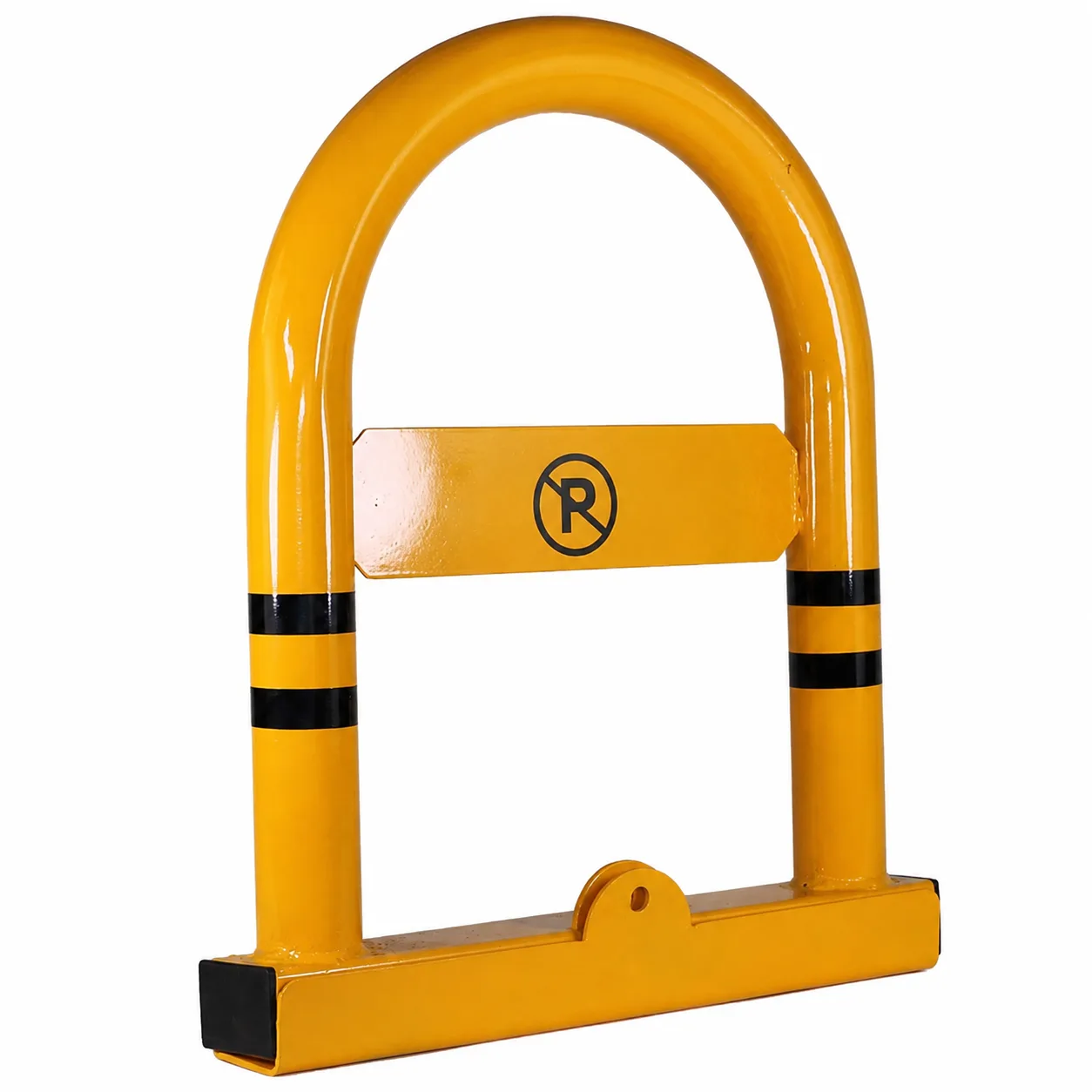
Manual Blocker
The manual lock is a mechanical device used to lock, secure or secure a component, equipment or access road. It operates without power, under the direct control of the user, and is valued for reliability, simplicity and low maintenance costs.
In short: hand locks may be with shillings, levers or bows, for gates or industrial equipment, chosen after the mechanical load.
Do you need help choosing?
Tell us what you need and we'll send you the offer on the same working day.
When choosing a manual blocker, consider the type of application, the mechanical load, the material, the operating environment and the frequency of use. Unlike the automatic version, which needs an electric or hydraulic control system, the manual locker operates exclusively mechanically, so it remains usable and powerless. It is a safe solution for gates, machinery and equipment, durable when the model corresponds to real demands.
Find out how a manual blocker works, what advantages it offers and what criteria matter when choosing the right solution for your application.
A manual locking device is a mechanical device used for locking, fixing or securing a component, equipment or access routes. It provides direct control from the user, without power supply, being appreciated for reliability, simplicity and reduced maintenance costs.
Manual Blocker – Complete guide about operation, uses and choice criteria
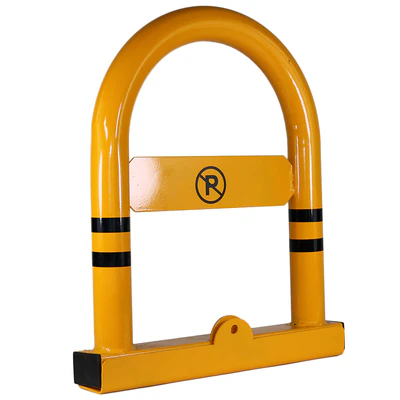
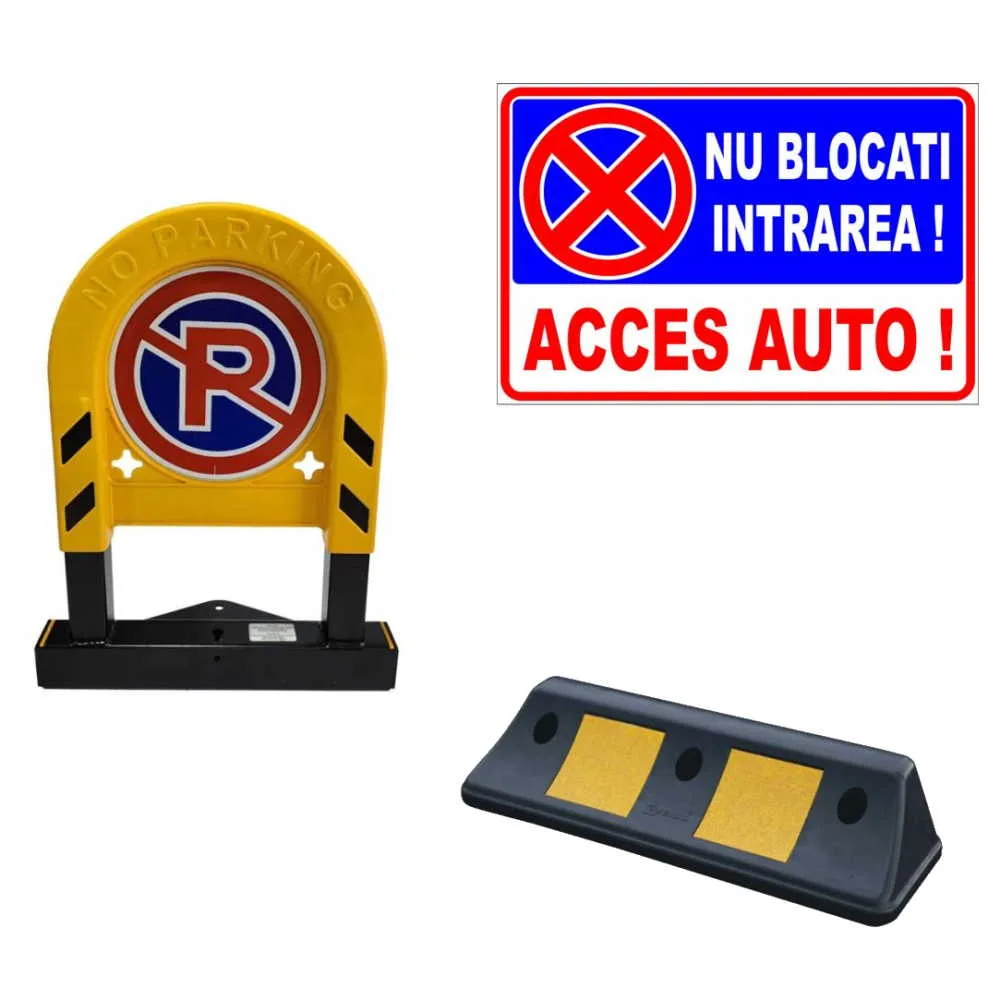
The manual parking barrier is a simple and efficient solution for access control, positioning mobile elements or securing different equipment. Due to its exclusive mechanical operation, this type of device is preferred in many industrial, commercial and residential applications, where reliability is more important than automation.
In this guide you will find out what is a manual blocker, how it works, where it is used, which are the main advantages and what aspects need to be analyzed before choosing the right model.
What is a manual blocker?
The manual parking barrier is a mechanism directly operated by the user, designed to prevent the unauthorized movement or use of a mechanical element. Depending on the application, it may block:
- Gates;
- industrial doors;
- barriers;
- machinery;
- platform;
- mobile equipment;
- access systems;
- mechanical components.
Powerless operation turns it into a safe and easy-to-use solution even under difficult working conditions.
How does a manual blocker work?
The operating principle is simple.
The operator shall manually operate a handle, lever, slipper or arc system that introduces a locking element into a specially designed location.
Depending on the construction, the mechanism may allow:
- complete locking;
- rapid release;
- Positioning in several steps;
- temporary fixation;
- permanent blocking until user action.
As a purely mechanical system, the risk of failure is reduced compared to electric or hydraulic variants.
Why is a manual blocker important?
A manual blocker helps to increase safety and prevent accidents.
It may prevent:
- accidental movement;
- Unauthorised access;
- Involuntary opening;
- uncontrolled manipulation;
- damage to equipment.
In many industrial areas, the use of locking systems is a requirement for compliance with labour security rules.
Advantages of using a manual blocker
Among the most important benefits are:
- Operation without electricity;
- High reliability;
- Low operating cost;
- minimum maintenance;
- long-term;
- resistance to difficult environmental conditions;
- simple mounting;
- intuitive operation;
- increased safety;
- compatibility with numerous industrial and commercial applications.
Types of manual locking machines
There are numerous variants, each intended for a particular field of use.
Sword Blocker
Ensures precise fixation in pre-defined positions.
It is frequently found in industrial machinery and equipment.
Locker with levers
Allows for quick lock and unlocking by operating a handlebar.
It is recommended for applications requiring frequent use.
Arc-blocker
Use the voltage of an arc to automatically maintain the locking position.
Provides a high degree of safety.
Gate blocker
Este utilizat pentru menținerea porților în poziție deschisă sau închisă.
It can be mounted both in the residential and industrial environment.
Blocker for industrial equipment
Designed for intensive use and resistance to high mechanical demands.
Manual blocker vs. automatic blocker
The choice depends on the application and the requirements of the project.
| Manual Blocker | Automatic locker |
|---|---|
| Mechanical operation | Electrical or hydraulic operation |
| Reduced cost | Higher cost |
| Minimum maintenance | Requires regular checks |
| High reliability | Additional functions |
| Independence from food | Electrical power requirement |
For applications where simplicity and reliability are priority, the manual blocker remains one of the most efficient solutions.
Frequent mistakes in choosing a manual blocker
Among the most common errors are:
- the choice of an inappropriate size;
- ignoring the material from which it is manufactured;
- use in an incompatible environment;
- the underestimation of mechanical forces;
- incorrect assembly;
- the lack of regular checks;
- use beyond the recommended manufacturer's limits.
These errors may significantly reduce the life of the product.
How do you choose a manual blocker correctly?
Prior to purchase, it is recommended that you analyse more criteria.
Type of application
Establish whether the product will be used for:
- gate;
- machinery;
- industrial equipment;
- platform;
- security system.
Mechanical pregnancy
Check the maximum permissible resistance.
Material
The most commonly used materials are:
- galvanized steel;
- Stainless steel;
- heat treated steel;
- special alloy.
Environment of use
Corrosion resistant materials are recommended for outdoor use.
Frequency of use
Intensive use requires models designed for repeated operating cycles.
Professional advice
For a maximum period of operation:
- carry out the assembly according to the manufacturer's instructions;
- periodically verify the mechanism;
- remove dust and impurities deposits;
- lubricate the mobile components when recommended;
- replace worn parts before defects occur.
Preventive maintenance reduces costs and increases safety.
Example of use
Manual blockers are found in many areas:
- industrial halo;
- Logistical storage;
- sliding gates;
- swing gates;
- Loading platforms;
- agricultural machinery;
- production equipment;
- internal transport systems;
- parking spaces;
- construcții.
Their versatility makes them suitable for both simple applications and complex industrial systems.
Recommendations
When choosing a manual blocker:
- buy products made of resistant materials;
- verify the technical specifications;
- comply with the manufacturer's recommendations;
- choose the size appropriate to the application;
- Ask for advice if the application is complex.
A fair choice contributes to the safe and efficient functioning of the whole system.
Conclusion
The manual parking barrier remains one of the most reliable solutions for locking and securing equipment, doors or mechanical systems. Simple construction, low operating costs and time resistance recommend it for a wide range of applications. Choosing a model adapted to real requirements and the right installation ensures performance, safety and a long lifespan.
BENEFICII COMERCIALE
- Increases safety level equipment and installations.
- No electrical power required, reducing operating costs.
- Works reliably even in difficult environments.
- Minimum maintenance required, saving time and resources.
- It has a long life span, thanks to the robust construction.
- Easy mount in many applications.
- Reduces the risk of failure compared to automated solutions.
- Provides direct and precise control on the locking mechanism.
FAQ
What is a manual blocker?
It is a mechanical device used to block or fix a component without the use of electricity.
Where is a manual blocker used?
In industry, logistics, construction, parking, gates, machinery and mechanical equipment.
What are the advantages of a manual blocker?
Reliability, low cost, minimum maintenance and independent operation of energy sources.
What materials are the manual blockers made of?
The most common are galvanized steel, stainless steel and wear-resistant alloys.
How do I choose the right manual blocker?
It shall take into account the application, mechanical load, operating environment and necessary dimensions.
Need maintenance?
Yes, but maintenance is reduced and consists of periodic checks and lubrication of mobile components, if recommended.
Is the manual locker suitable for outdoor use?
Yes, if it is made of corrosion resistant materials and is intended for outdoor use.
What is the difference between a manual and an automatic blocker?
The manual locker works mechanically and does not require power supply, while the automatic version provides additional functions, but involves an electrical or hydraulic drive system.
A manual lock provides a safe and reliable method of mechanical locking for gates, machinery and equipment. Choosing the right model based on application, material and mechanical demand contributes to increased safety, sustainability and efficiency in use.