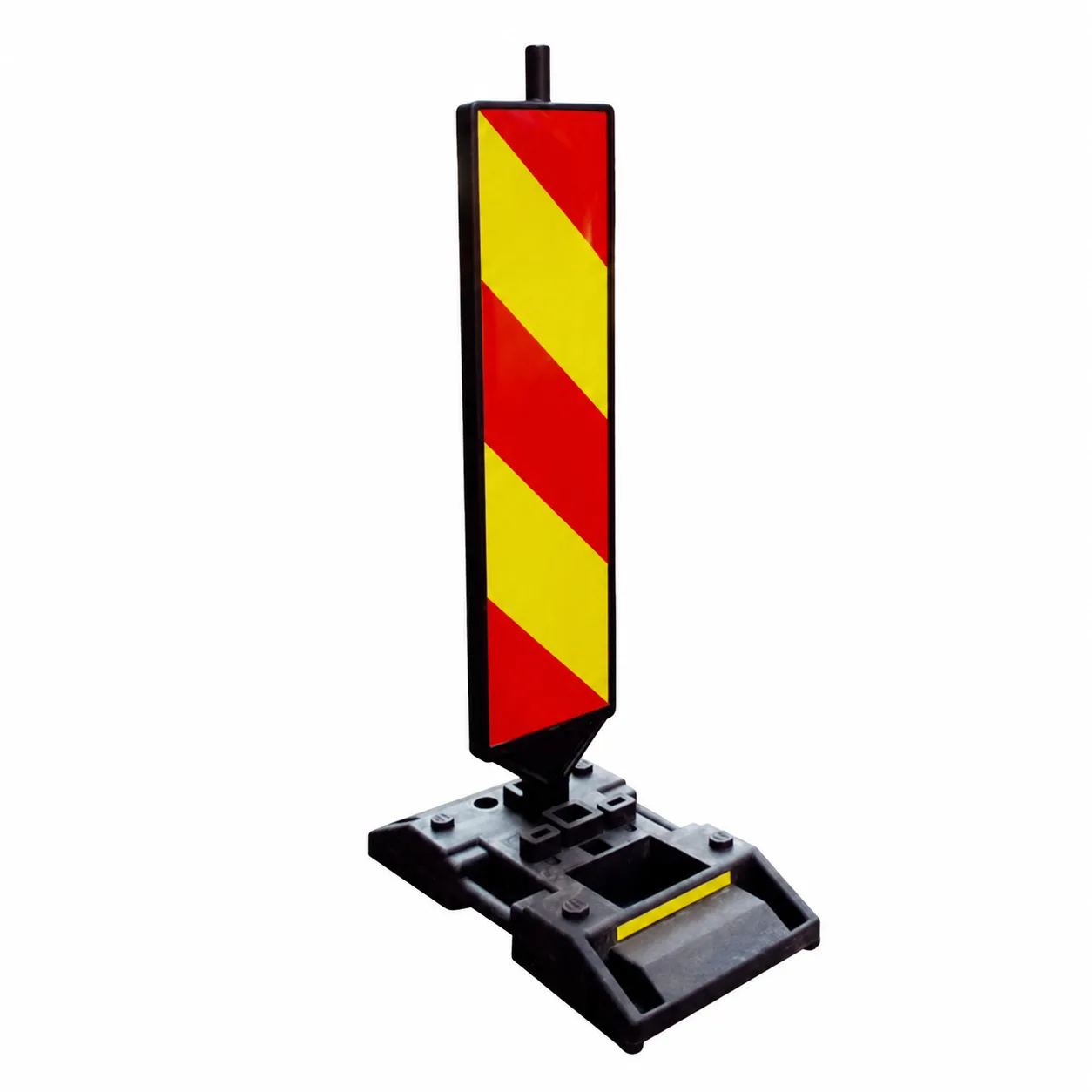
Directional beacon
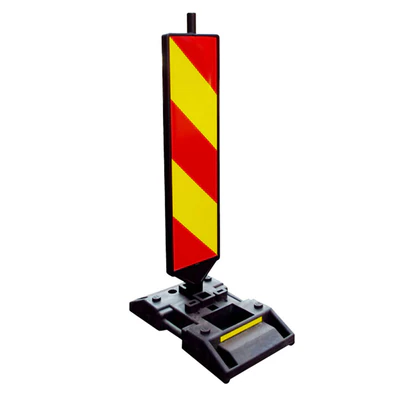
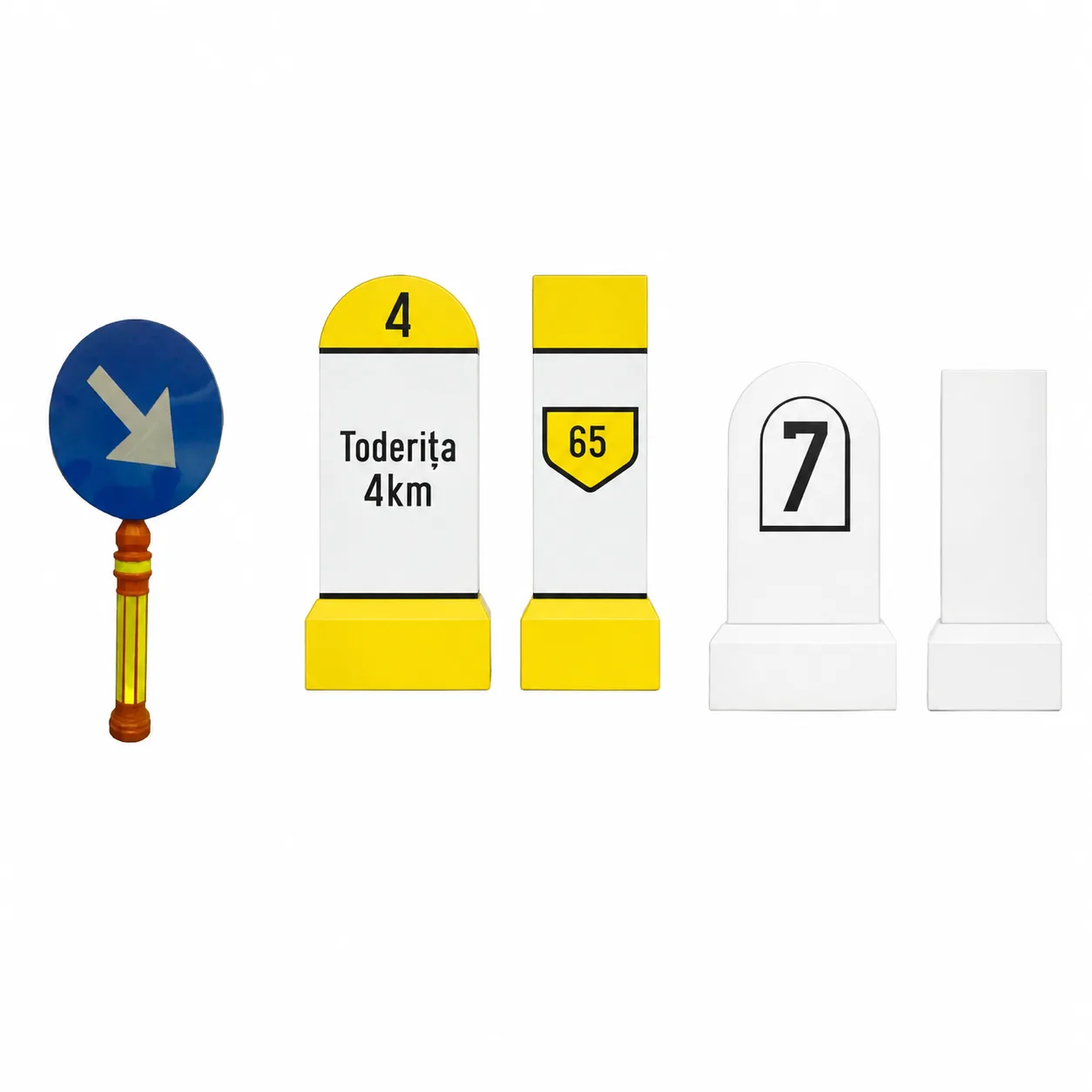
The directional beacon is a road signalling equipment that guides participants to traffic in areas with obstacles, works or changes of direction. It improves visibility, reduces the risk of accidents and contributes to the safe organisation of traffic on public roads and in private spaces.
In short: directional beacons can be reflective, with LED, temporary for work, traffic or flexible islands.
Do you need help choosing?
Tell us what you need and we'll send you the offer on the same working day.
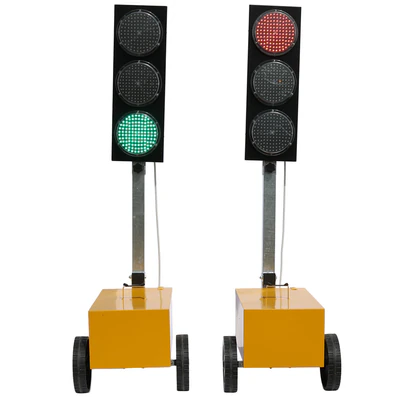
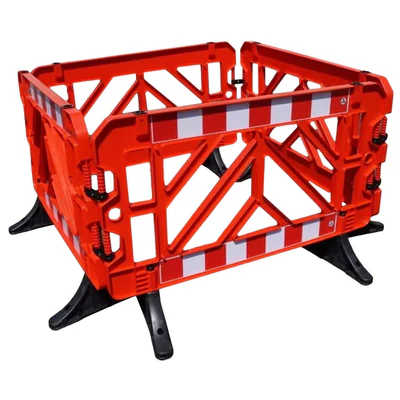
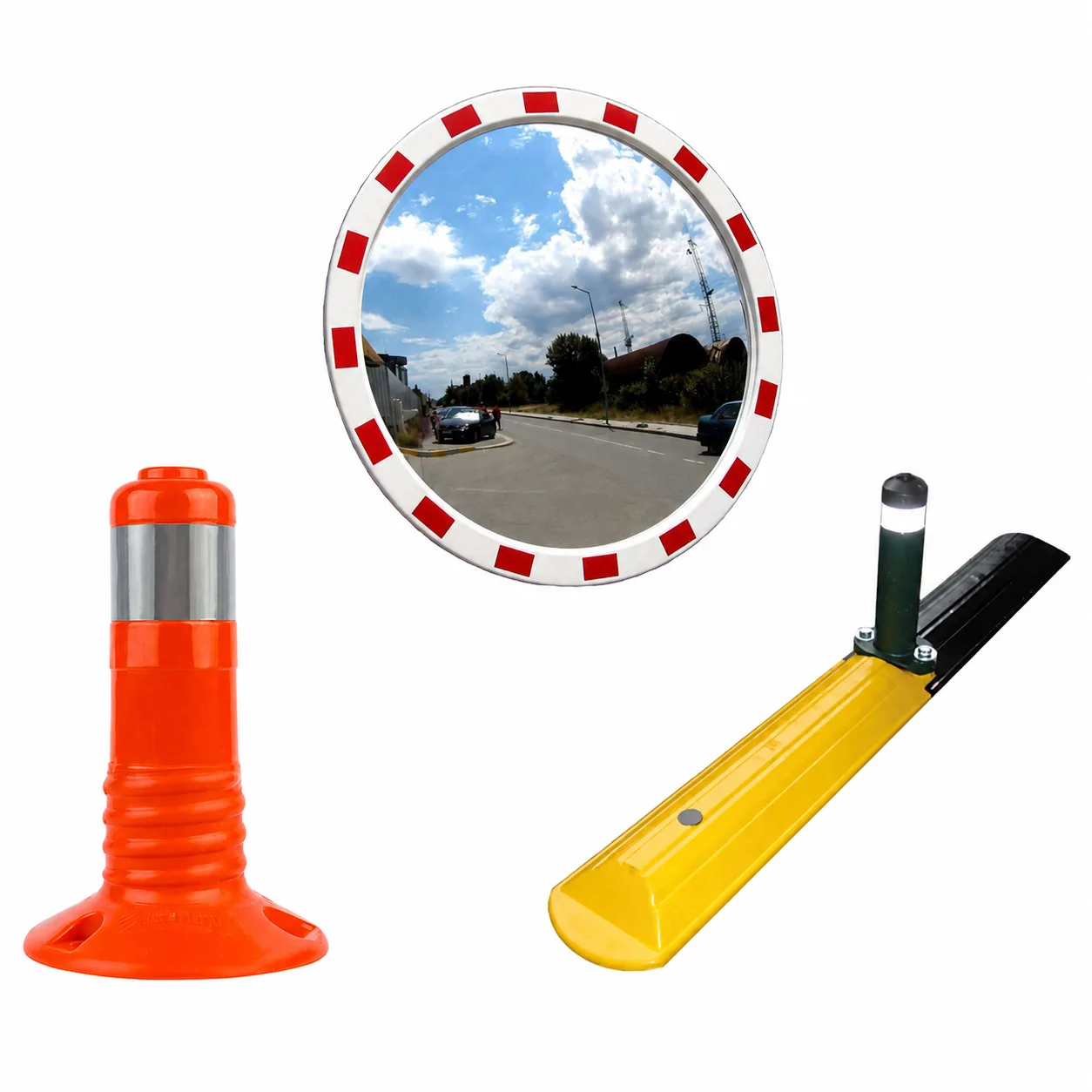
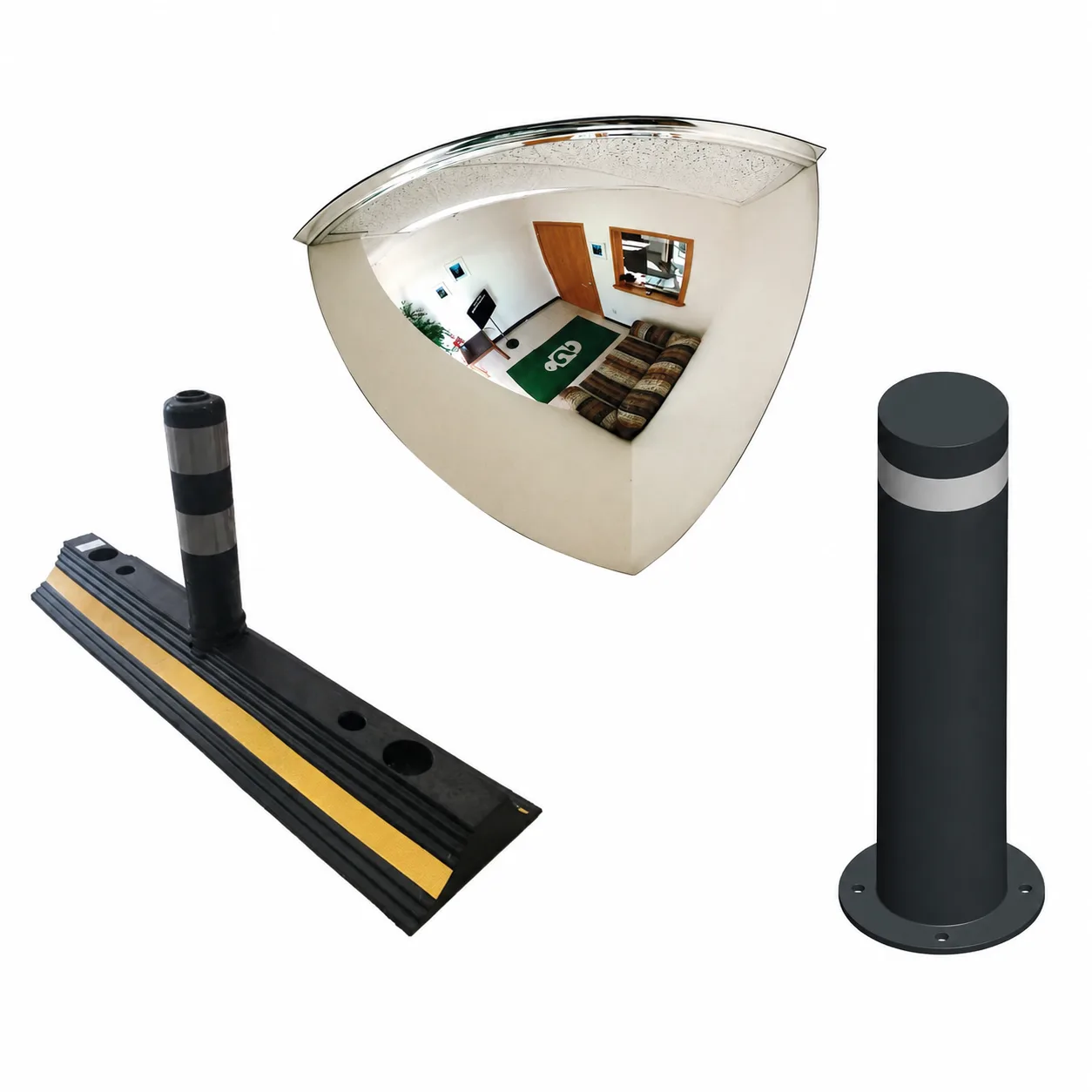
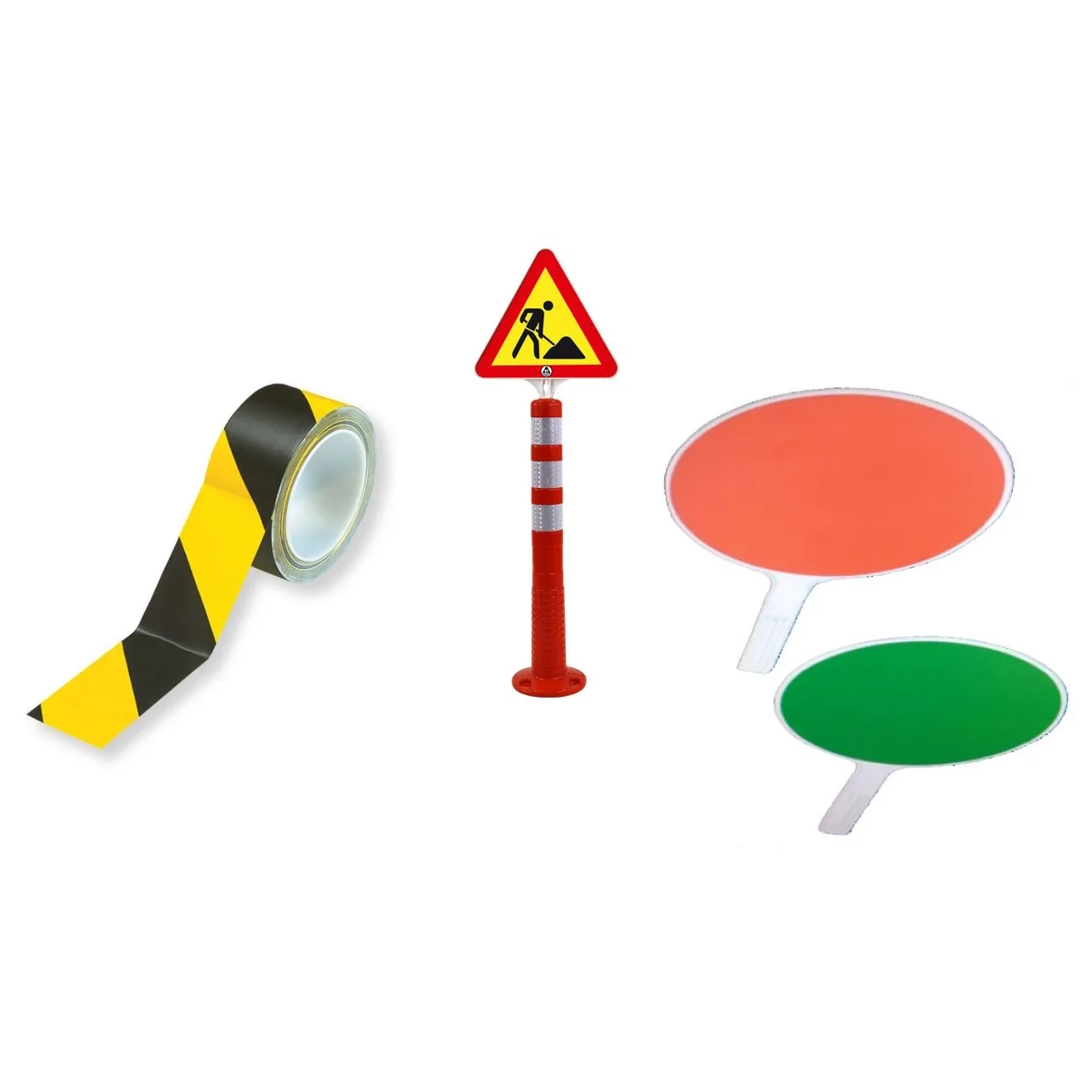
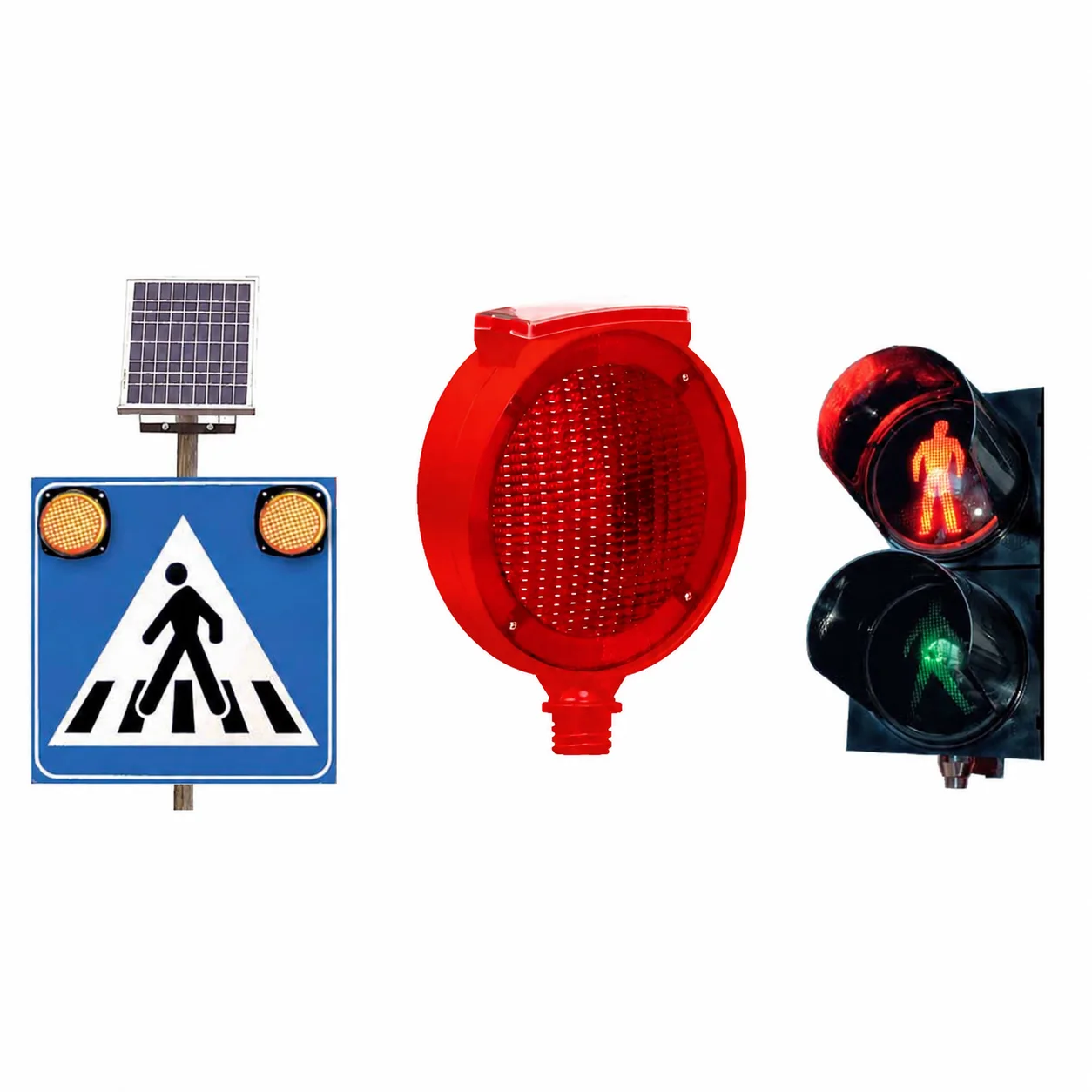
Temporary beacons are used for works and diversions, and dedicated or flexible models are suitable for traffic islands and the delimitation of risk areas. LED variants increase visibility in intense traffic or at low illumination. The tags are usually made of polyethylene, PVC, rubber or aluminium, with certified retro-reflective sheets, and a certified model, properly mounted, helps to smooth the circulation.
Directional marker is a road signalling equipment used to guide participants in traffic in areas with obstacles, works or changes of direction. It improves visibility, reduces the risk of accidents and contributes to the safe organisation of traffic both on public roads and in private spaces.
The directional beacon helps guide safe traffic, being used for works, diversions and delimitation of risk areas.
Directional beacon
Directional marker is one of the most important temporary and permanent signalling elements used to drive traffic. Whether it is located on national roads, highways, parking lots, construction sites or in the vicinity of a company, its role is to convey the correct direction of travel quickly and clearly.
A well-chosen and properly-mounted beacon helps to reduce the risk of accidents, increases the visibility of obstacles and facilitates the orientation of drivers even under difficult conditions such as rain, fog or heavy traffic.
You will then find out what a directional beacon is, how it works, what types exist, where it is used and what criteria you need to consider for choosing the right model.
What is a directional beacon?
Directional marker is a road signalling device intended to indicate the mandatory or recommended direction of movement close to obstacles, traffic islands, turning directions, road works or areas where the normal route is changed.
Depending on the application, the beacon may be:
- fixed;
- temporary;
- reflectorising;
- LED lighting;
- provided with high-visibility retro-reflective leaflets.
The main purpose is to guide participants to traffic in an intuitive and safe way.
How does it work?
The principle is simple: the surface of the marker contains a directional arrow or a visible symbol indicating the direction of movement.
The visibility shall be ensured by:
- retroreflective film;
- LED lighting;
- UV-resistant material;
- contrasting colours;
- dimensions adapted to the speed of circulation.
At night or under unfavourable weather conditions, reflector elements considerably increase visibility.
Why is a directional beacon important?
Correct signaling significantly reduces the risk of accidents.
A directional beacon contributes to:
- rapid guidance of drivers;
- the delimitation of obstacles;
- the protection of workers in work areas;
- traffic fluidisation;
- collision prevention.
In the absence of a clear signal, drivers can misinterpret the route, which can lead to incidents or blockages.
Advantages of using a directional beacon
The use of a directional beacon offers many benefits to both road managers and companies or institutions.
The main advantages are:
- increasing road safety;
- excellent visibility day and night;
- Quick mounting;
- weather resistance;
- low maintenance cost;
- long duration of use;
- compliance with the signalling rules;
- reducing the risk of accidents.
Type of directional beacons
There are several variants, each for specific applications.
Reflective directional beacons
The most widely used models used for permanent signaling.
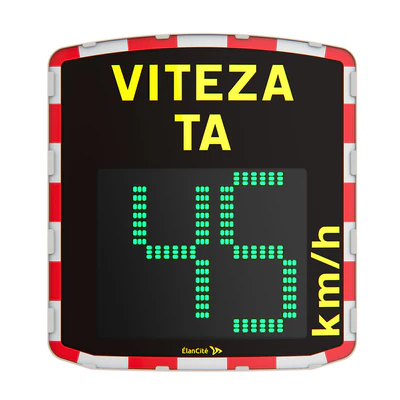
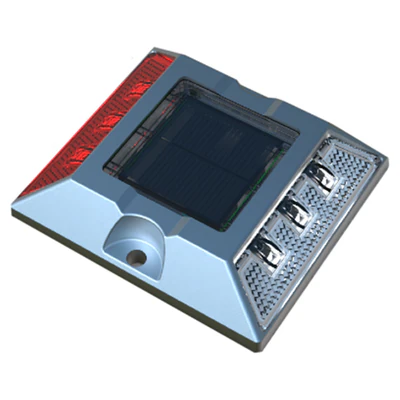
Directional LED beacons
Ensures high visibility at night and under low visibility conditions.
Temporary beacons for work
It is quickly mounted and used in construction sites, interventions and road works.
Tags for traffic islands
Protect the islands and guide the vehicles around them.
Flexible tag
I return to the initial form after easy impact, reducing replacement costs.
Difference between directional beacon and road sign
Although they may seem similar, the two products have different functions.
| Directional beacon | Road sign |
|---|---|
| Visually guide traffic | Transmits traffic rules |
| Can be temporary | It's usually permanent |
| Highlight obstacles | Inform or restrict |
| It's located next to obstacles | Mount before them |
In many cases, the two elements are used together.
Common errors
A directional beacon loses its efficiency when used incorrectly.
The most common mistakes are:
- improper mounting at height;
- the choice of the wrong size;
- incorrect orientation of the arrow;
- use of a model without reflecting;
- lack of maintenance;
- location in areas with reduced visibility.
Compliance with installation rules is essential for the efficiency of signalling.
How do you choose a directional beacon correctly?
The choice depends on several factors.
Analyse:
- the type of road;
- speed of movement;
- traffic intensity;
- temporary or permanent use;
- weather conditions;
- the level of visibility required;
- the manufacturing material;
- the class of reflective sheet.
High-visibility models and impact-resistant materials are recommended for the intensive roads.
Professional advice
Specialists recommend:
- the selection of certified products;
- use of upper-class reflective sheets;
- regular check of the status of the beacons;
- cleaning of reflecting surfaces;
- immediate replacement of damaged products;
- compliance with location standards.
Investment in a quality beacon reduces long-term costs and contributes to increased safety.
Real example of use
Directional beacons are encountered in many situations:
- road modernisation works;
- temporary traffic diversions;
- motorways;
- Rotating senses;
- commercial parking;
- industrial zone;
- Logistical storage;
- port terminal;
- airports;
- production platform.
In all these cases, they facilitate rapid guidance and reduce the risk of accidents.
Recommendations
For optimal results, it is recommended that you choose beacons made from UV-resistant materials, extreme temperatures and mechanical impact. Certified retro-reflective foil models and LED lighting variants offer a higher level of visibility, being ideal for busy roads and areas with permanent traffic.
Conclusion
Directional marker is an essential element for the organisation and safety of movement. Whether used on public roads, in construction sites or in industrial areas, it provides clear visual guidance, reduces risks and contributes to traffic flow. Choosing a suitable model, correct installation and periodic maintenance ensures long-term efficiency and compliance with road signalling requirements.
Commercial benefits
- Increases safety participants in traffic.
- Reduce the risk of accidents in areas with obstacles.
- Improves visibility day and night.
- Resist weather and intense wear.
- Minimum maintenance required.
- Quickly mount And easy.
- Meets road signalling requirements.
- Contributing to traffic flow.
- Available in multiple sizes and configurations.
- Suitable for temporary and permanent use.
FAQ
What is a directional beacon?
It is a signalling device indicating the direction of movement near obstacles or areas with diverted traffic.
Where is a directional beacon used?
On public roads, highways, yards, parking lots, industrial platforms and in other areas where traffic is required.
What is the difference between a beacon and a road sign?
The beacon visually guides traffic in the vicinity of an obstacle, while the indicator transmits rules or traffic information.
Are the reflector elements mandatory?
In most road applications, yes. They increase visibility and contribute to the safety of traffic participants.
How do I choose the right size?
The size shall be correlated with the speed of movement, the type of road and the distance of observation.
How long does a directional beacon last?
Quality models can have a long-term use if they are properly maintained and mounted.
Are there LED lighting beacons?
Yeah. They provide superior visibility and are recommended for areas with intense traffic or low lighting conditions.
What materials are used in beacon manufacturing?
As a rule, polyethylene, PVC, rubber, aluminium and certified retro-reflective sheets.
Directional marker is an essential device for safe traffic guidance in the vicinity of obstacles and work areas. Choosing a certified model with high visibility and correct mounting helps to reduce accidents and smooth traffic in any type of road infrastructure.