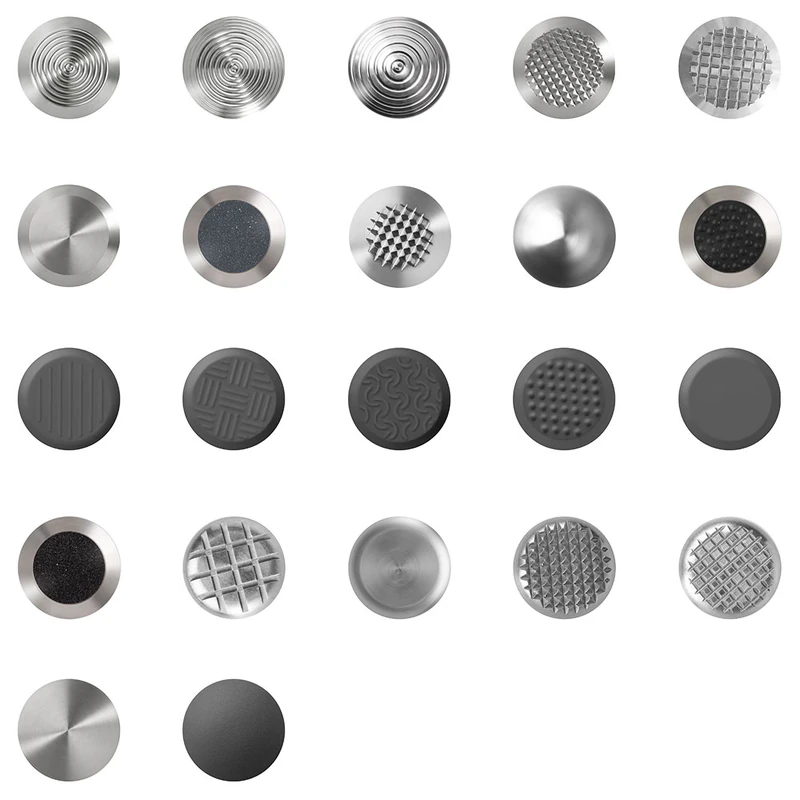
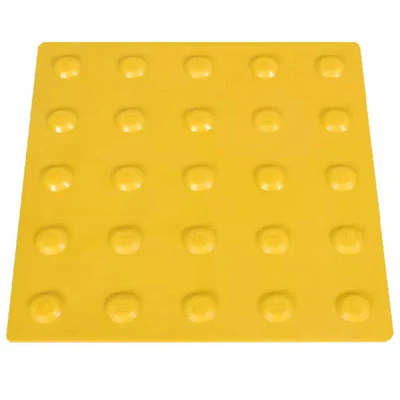
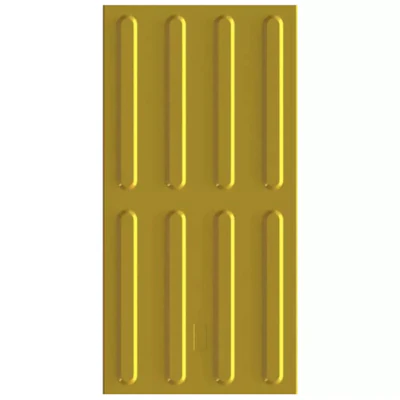
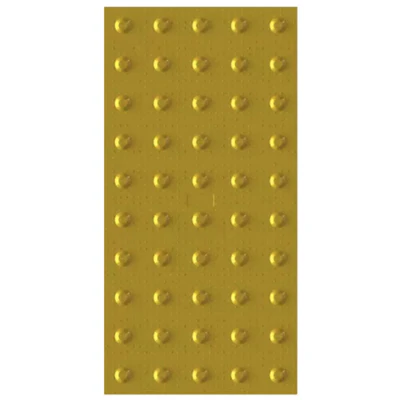
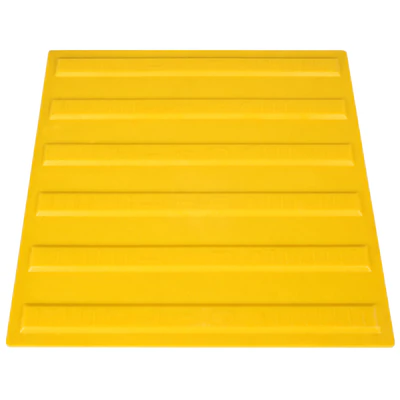
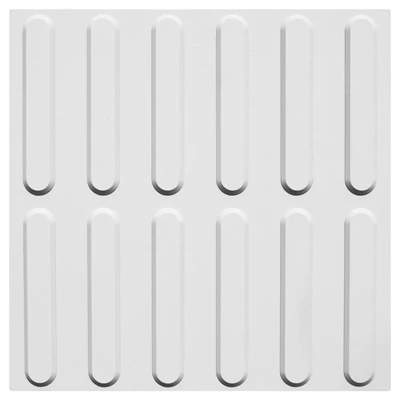
Stainless steel tactile tactile marking warning clippers is the premium solution for signaling and guiding people in public and private spaces, offering not only visibility and safety, but and higher durability in any weather and traffic conditions. Designed to meet the strict requirements of accessibility rules, these tactile clamps are made of high-strength stainless steel — a material that combines aesthetics, functionality and long-term performance.
In a world where user experience and legal compliance are essential, tactile markings become the essential focus of modern projects: from sidewalks, public transport stations and airports, to shopping centres, public institutions and corporate buildings. This detailed presentation gives you a complete understanding of the product, its benefits and how it can turn a space into a safe and accessible space.
What are tactile marking warning cramps?
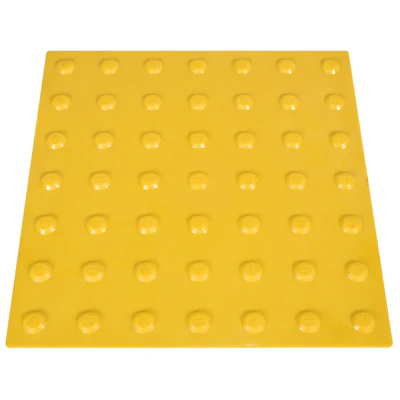
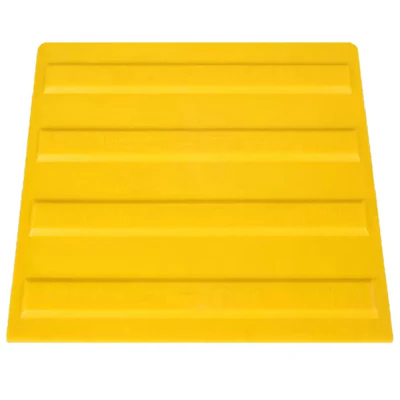
Touch clippers are elements placed on the pedestal surface, created to transmit tactile and visual signals to people with impaired vision or low orientation. Through their strategic shape, texture and positioning, they provide clear feedback on contact with the cane or footwear, guiding the safe route.
Main material — stainless steel, ensures resistance to corrosion, abrasion, intense traffic and climate variations, making these crampons ideal for both indoor and outdoor uses.
Performance and Technical Quality
Stainless Steel – Characteristics and Advantages
Crampones are made of high quality stainless steel (e.g.: AISI 304 / AISI 316 – depending on the technical specifications). The stainless steel shall be recognised for:
- Excellent corrosion resistance – essential for wet or salt-exposed environments;
- Extended durability – does not deteriorate under intense traffic;
- Dimensional stability – retains its shape even after years of use;
- Modern aesthetics – professional appearance and quality finishes;
- Compatibility with technical standards for accessibility.
These properties are critical for urban and commercial projects where quality is not negotiable.
Structure and Design of Tactile Crampons
Form and dimensions
Warning clippers have a design that offers:
- Optimum textured surface for tactical perception;
- Standardized profiles for rapid recognition;
- Sizes adapted to standards (e.g. 25 mm height, optimal body diameter for tactile detection);
- Possibility of Customisation of shapes and finishes for specific architectural projects.
This combination of factors ensures a clear perception without creating unnecessary obstacles for pedestrians.
Install: Simple, Fast and No Complications
The assembly is carried out on solid surfaces: concrete, Dale or asphalt. Catching systems may include:
- Stainless steel screws included;
- Fixing by mechanical anchorage;
- Strong adhesion for special applications.
The instructions are clear and allow a uniform, straight and aesthetic installation. Construction and maintenance professionals will appreciate the ease without compromising the robustness of the system.
Key Benefits for Customers and Professionals
Safety and Comfort for Users
✔ Ensure accurate guidance and tactile warning
✔ Reduce the risk of accidents for people with impaired vision
✔ Texture clearly perceived at the level of the sole or cane
Sustainability and Performance in the Various Environments
✔ Resistance to weather and corrosion
✔ Excellent behavior in intense traffic
✔ No costly periodic maintenance
Legal and Standardised Compliance
✔ Meets Pedestrian Accessibility Requirements
✔ Compatible with urban rules and public space regulations
✔ Can be integrated into modern infrastructure projects
Commercial benefits
- Increase in pedestrian safety
- Reducing accident risks
- Facilitate compliance with regulations
- Increase the value of the final project
- Improve end-user experience
- Reduce long-term maintenance costs
Real Applications and Examples of Use
Urban areas
Crampoanes are integrated into the rehabilitation projects for sidewalks in large cities, public markets and intensive pedestrian traffic areas. They provide clear tactile clues for crossings, stairs and directional changes.
Transport infrastructure
At metro stations, train stations, airports and bus/tram terminals, tactile markings shall guide passengers to safe areas of embarkation and landing. This integration is essential for facilitating an orderly flow of people.
Public and Commercial buildings
Commercial centres, government institutions or private companies integrate these tactile crampers as part of the solutions for universal accessibility, supporting the diversity of users.
FAQ – Real questions and practical answers
1. What are tactile marking warning cramps?
Crampones are tactile elements installed on pedestrian surfaces to provide tactile signals to people with impaired vision, facilitate orientation and warning in the tracks.
2. Why are they made of stainless steel?
Stainless steel offers high durability, corrosion resistance, traffic and permanent external conditions, which considerably prolongs the life of the system.
3. Are they compatible with all types of surfaces?
Yes, the cramps can be installed on concrete, tiles, asphalt or solid surfaces, using standard mechanical fastening systems.
4. Does these crampons respect accessibility standards?
Yes, when designed in accordance with local and international rules, they ensure legal compliance and safety for users.
5. Can they be customized?
In some cases, cramps may be produced with specific sizes, finishes or colours, depending on the requirements of the design.
6. What heights and dimensions do they have?
Standard dimensions are designed for effective tactile detection, usually around 25 mm high and a design adapted to technical standards.
7. What maintenance does it require?
Due to stainless steel, maintenance requirements are minimal, limited to periodic cleaning and functional checks.