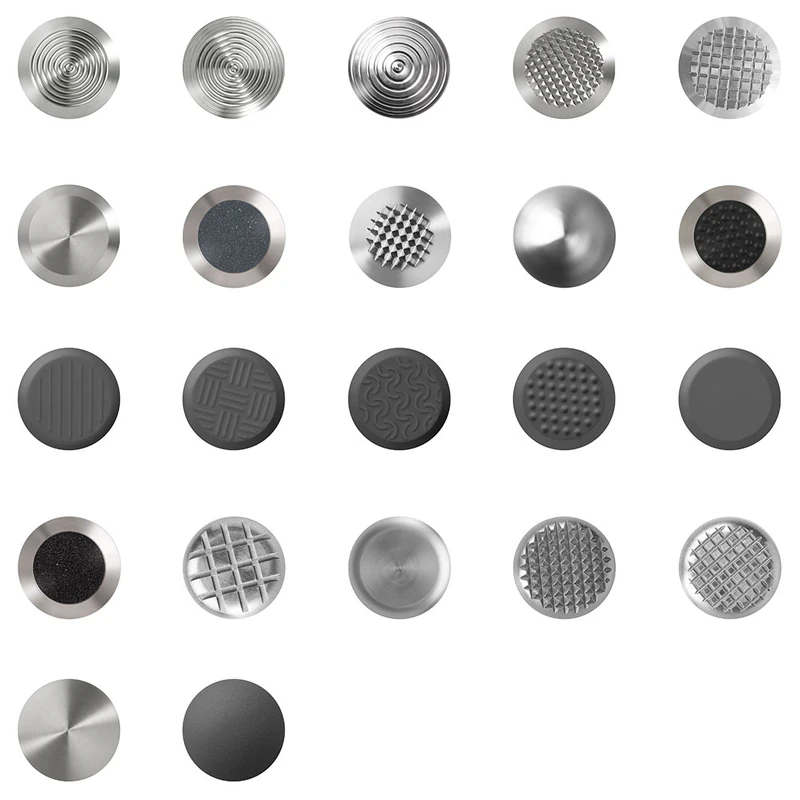
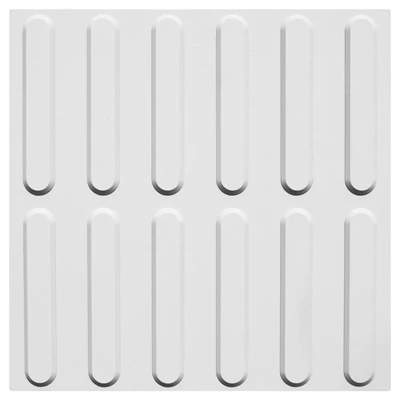
Aluminium tactile warning clippers are essential elements in the design of safe, accessible and easy to navigate public spaces. Designed to provide tactile and visual warning to people with impaired vision and to guide pedestrian traffic flows in areas at risk, these crampons are a top solution in urban accessibility engineering.
Structured from High-strength aluminium, anti-corrosive treated and finished for maximum durability, tactile cramps are designed to withstand intense traffic, dynamic loads and varied weather conditions. The material is easy — but very robust — to offer excellent resistance to deformation and abrasion, maintaining its integrity even after years of use.
What are warning cramps aluminum tactile markings
Warning tactile elements — known and known as touch-pots or guide points — they are specialised components integrated into the pedagogical infrastructure. They serve as indicators for people with visual impairments, signaling steps, waiting platforms at transport stations, pedestrian crossings and level changes.
Manufacture from Extruded and cast aluminiumThese cramps offer:
- Tactile surface perceived with a stick or foot soles
- Visual contrasts for rapid orientation
- Standardisation in accordance with international standards for accessibility
Technical advantages of aluminium crampons
Upper mechanical strength
Aluminium is chosen for the unique combination of hardness and ductility. Unlike plastic or ceramic materials, aluminium cramps do not deteriorate under repeated loads of intense traffic and are much more impact resistant.
Durability at corrosion
With surface treatments anodized or polyester-paintedThese crampons refuse corrosion and oxidation, making them ideal for urban environments exposed to weather and salinity.
Anti-slip and pedestrian safety
The profile of the cramps is designed with Anti-slip relief element, providing safety in any season and humidity conditions. These features improve grip and reduce the risk of slippage, especially for people with reduced mobility.
Easy installation and maintenance
Modern systems allow quick mounting with stainless screws in existing infrastructure or with dedicated anchors in new floors, without compromises on stability or alignment.
How Touch Cramps Work
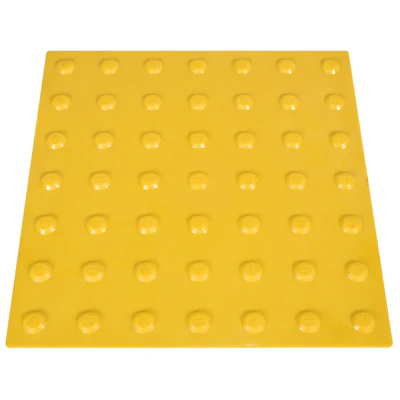
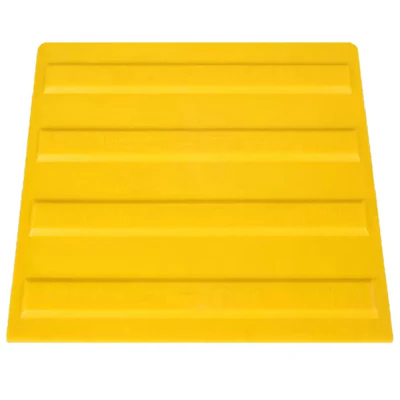
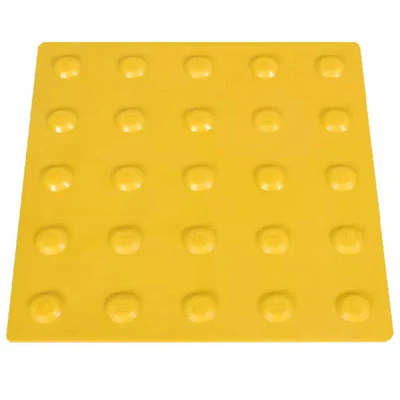
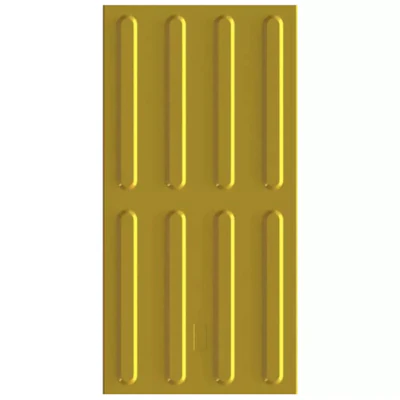
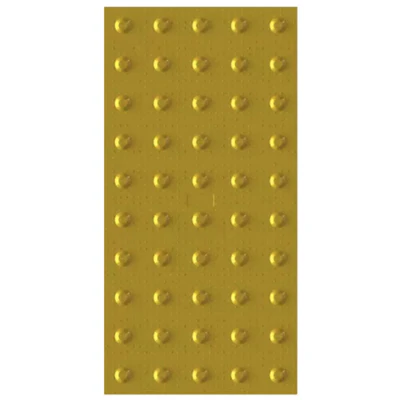
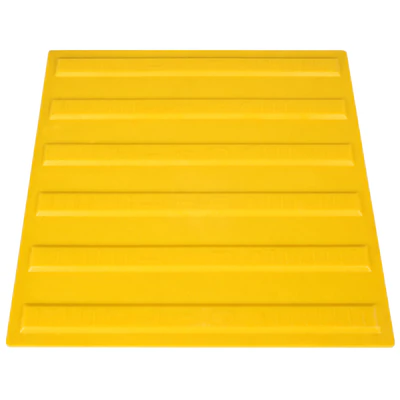
In practice, the surface of these crampoons is segmented into sections with uniform bumps (prominences)which creates a separate tactile texture. This texture is detected by the sticks of people with impaired vision or feet, creating a clear signal of a change in level or obstacle.
Types of warning cramps
Flat crucibles for sidewalks and platforms
They are usually used to signal pedestrian crossings or sidewalk edges.
Curved chives for corners or steps
The special design allows integration in areas where the slope or geometry of the sidewalk varies.
Modular or custom-made clippers
They can be produced on special orders for sophisticated architecture projects or for separate urban design specifications.
Standards and compliance
Aluminium tactile warning clippers comply with the highest international standards for accessibility — for example:
- ADA (Americans with Disabilities Act)
- EN 15209 / EN 1338 for paving elements
- Local standards of urban planning and safety
This compliance ensures not only the legality of the use, but also the end-user safety.
Where to use
These cramps are indispensable in:
- Railway stations and railway stations
- Urban sidewalks and pedestrian areas
- Transport terminals and airports
- Public parks and routes
- Shopping centres with intense traffic
Benefits for professionals and companies
- Increase safety of pedestrians
- Reduces the risk of accidents
- Ensures legal compliance
- Lower maintenance costs
- Long life
- Adaptability to urban design
Why choose aluminum crampoons
Durability vs. alternative products
Compared to plastic, concrete or ceramic, aluminum does not crack, does not break down and does not deteriorate under intense traffic, being ideal for dynamic urban environments.
Long-term investment
Although the initial cost may be higher than other materials, longer life, reduced maintenance costs and reuse of renovations make these crampons a smart investment.
Case studies and actual applications
Urban project – Centre for a European capital
The installation of warning cramps reduced the incidents of falling at pedestrian crossings by 40% and improved the perception of safety for people with disabilities.
Metropolitan transport terminal
Wide-scale implementation has contributed to the smoothing of pedestrian traffic and to full compliance with ADA and local standards.
Recommended installation process
- Measurement of the exact position
- Cleaning and preparation of the surface
- Stainless steel screw clamping
- Verification of the planitude and alignment
- Tactical and visual tests
These steps ensure a solid mounting, without vibrations or slips.
Guarantee and service
Most producers offer:
- Extended material guarantee
- Post-sales service
- Retrofit options and spare parts
Conclusion
Aluminium tactile warning clippers are a robust, safe and durable solution for any project that aims at pedestrian accessibility and safety. They are the result of precise engineering, user-oriented design and time-tested durability.
Commercial benefits
- Maximize pedestrian safety
- Reduce accidents in traffic areas
- Increase compliance with regulations
- Minimum subsequent maintenance costs
- Long-term resistant product
- Improve Project Image
- Easy to adapt to urban design
FAQ
1. What are aluminum tactile crampons?
Crampoanes are tactile elements mounted on the sidewalk or platforms to warn people with impaired vision about obstacles or level changes.
2. Are they compatible with international standards?
Yes — are designed according to ADA, EN 15209 and other relevant accessibility standards.
3. Can they be installed on the existing floor?
Yes; modern systems allow quick mounting with stainless steel anchors and screws without extensive work.
4. How does the weather hold up?
Anti-corrosive treated aluminium is ideal for any season, resisting liquid, freezing, salinity and UV exposure.
5. What is the lifespan?
With minimal maintenance, these crampons can function effectively for more than 10 years in urban environments.
6. Can they be customized?
Yes; manufacturers can provide models and finishes to order.
7. What maintenance does it require?
A periodic cleaning and quick fixing checks are sufficient for maintenance.