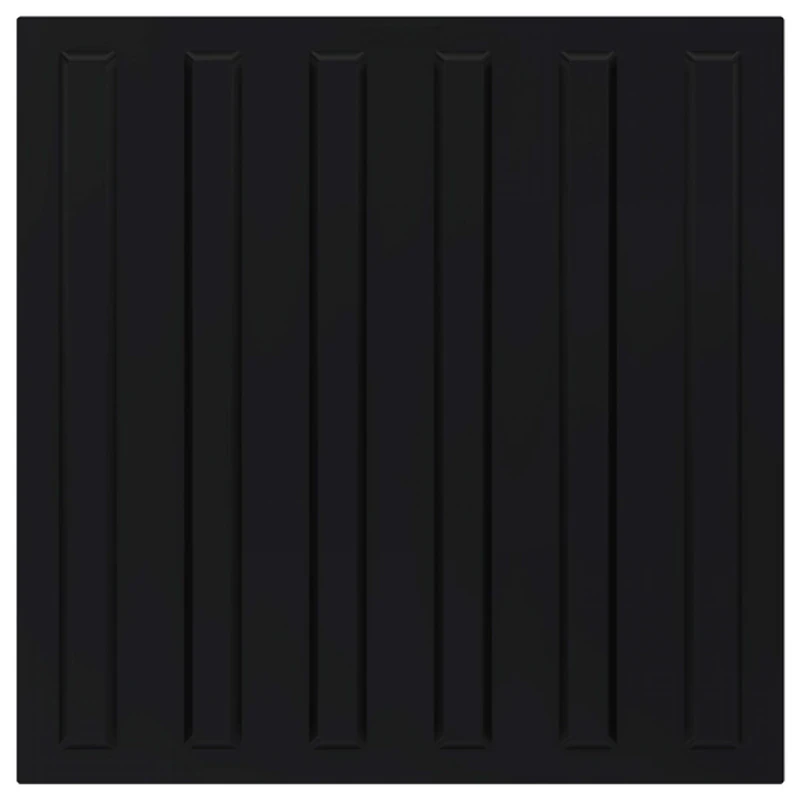
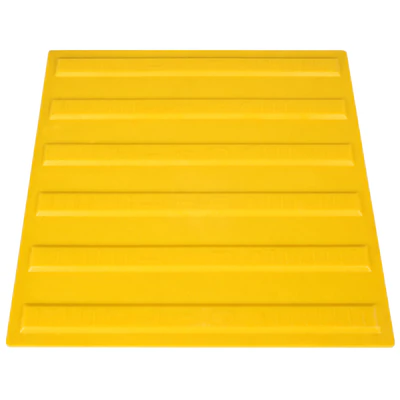
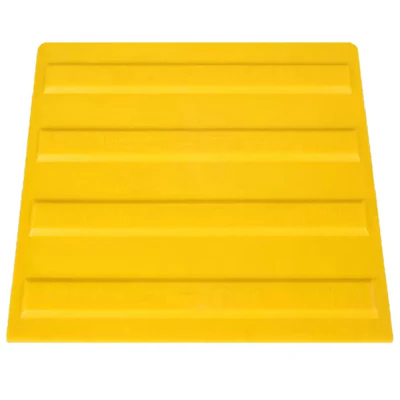
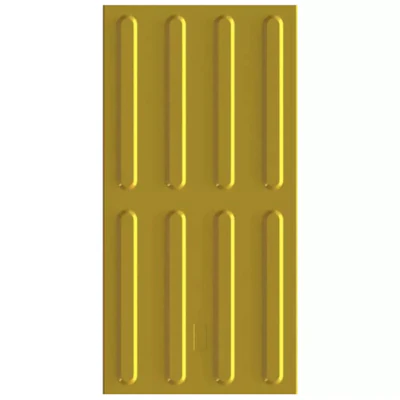
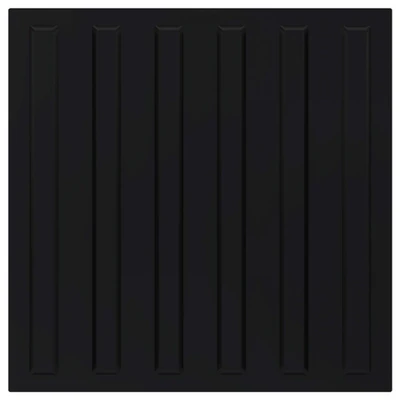
Discover Touch mark for visually impaired people 300x300 mm black, the professional solution for urban accessibility and inclusive infrastructure. Designed to offer people with impaired vision a clear guide in public and private environments, this marking is an essential element in modern projects of universal design and pedestal safety. Touch marking 300x300 mm is an industrial standard used around the world for the calming and management of pedestrian traffic, providing tactile and visual sensory feedback when necessary.
What is a tactile marking
Touch markings are relief surfaces applied on sidewalks, stairs, transport stations or areas with intense traffic to alert and guide blind or sightless persons. They transform urban space into a safe and easy to navigate environment, using texture and contrast to communicate changes in direction or imminent hazards.
Why black?
While many standards recommend contrasting colors such as yellow for maximum visibility, variant black the touch marking is ideal for specific aesthetic arrangements (interior, closed-end floors, minimalist architectural projects), without compromising the essential touch functionality for users.
Design and performance in use
High quality technical material
???? Made from TPU (Thermoplastic Polyurethane) — a robust, flexible and wear-resistant material, weather, UV radiation and heavy pedestrian traffic. TPU provides not only durability, but also constant resistance to deformation over time, even after years of use.
Standard dimensions
Accurate dimensions of 300 x 300 x ~8 mm ensure compatibility with other tactical infrastructure components and allow modular installation — easy to integrate into any path or accessibility plan.
Deep touch relief
The specially designed pattern provides strong sensory feedback — detectable with the stick or by pressure under the sole — so that blind people can easily identify the right path and anticipate possible obstacles.
Installation and integration
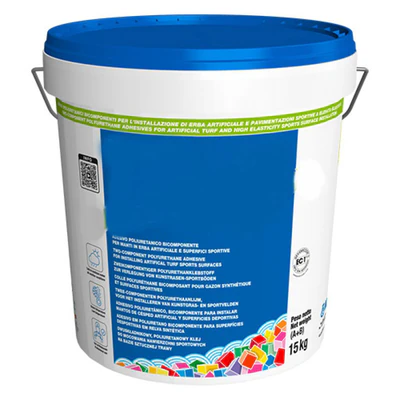
The tactile marking is not self-adhesive — it is mounted with special adhesives or mechanical systems suitable for flat, indoor or outdoor surfaces. The correct installation ensures high traffic resistance and variable weather conditions.
Commercial benefits for customers
- ✔️ Real accessibility — improves the movement of persons who are blind or have impaired vision.
- ✔️ Compatible industrial standard — 300x300 mm is a standard dimension in modern projects.
- ✔️ Durable and durable to intense traffic and extreme atmospheric conditions.
- ✔️ Black aesthetic design, perfect for urban projects and modern buildings.
- ✔️ Clear tactile feedback for independent guidance.
- ✔️ Modular compatibility — matches other tactile marking systems.
Main technical specifications
| Characteristic |
Details |
| Size |
300 x 300 x cca. 8 mm |
| Material |
TPU ( thermoplastic plastic) |
| Color |
Black |
| Marking type |
Orientation & Warning (depending on model) |
| Installation |
On flat surfaces with appropriate adhesive |
| Recommended use |
Walking, railway stations, stairs, accessible buildings |
How it works in practice
Imagine a train stop, a busy pass or a pedestrian passage: people with impaired vision rely on tactile markings to avoid obstacles and navigate safely through the urban environment. The textured surface gives them constant clues about the correct route and warns of changes in direction or danger margins.
By integrating these plates into construction or renovation projects, you not only meet accessibility criteria, but also create an inclusive civic space, according to the highest standards of universal design.
FAQ – Frequently Asked Questions
1. What is the touch mark for visually odded people 300x300 mm black?
It is a textured plate that provides sensory guidance to people who are blind or with reduced vision in urban and public spaces.
2. How do you mount this marking?
Mount on flat surfaces with recommended adhesive; it is not self-adhesive.
3. Is it suitable for outdoors?
Yes, it is designed for intense traffic and varied environmental conditions.
4. Can it be used inside?
Yes, it can also be installed in public buildings, shopping centres or airports.
5. What is the difference between warning and direction?
Markings with different reliefs may signal stops (STOP) or orientation routes.
6. Why the black color?
The black color offers a discreet aesthetic in modern projects without compromising the tactical functionality.
7. How do you maintain it?
Regular cleaning and verification of the safety-optimal fixing