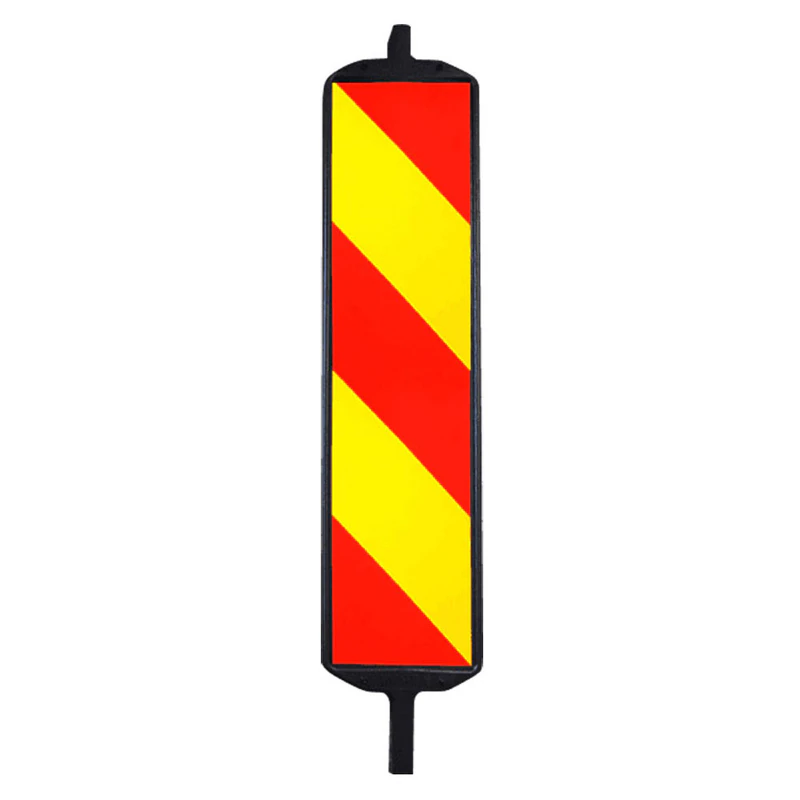
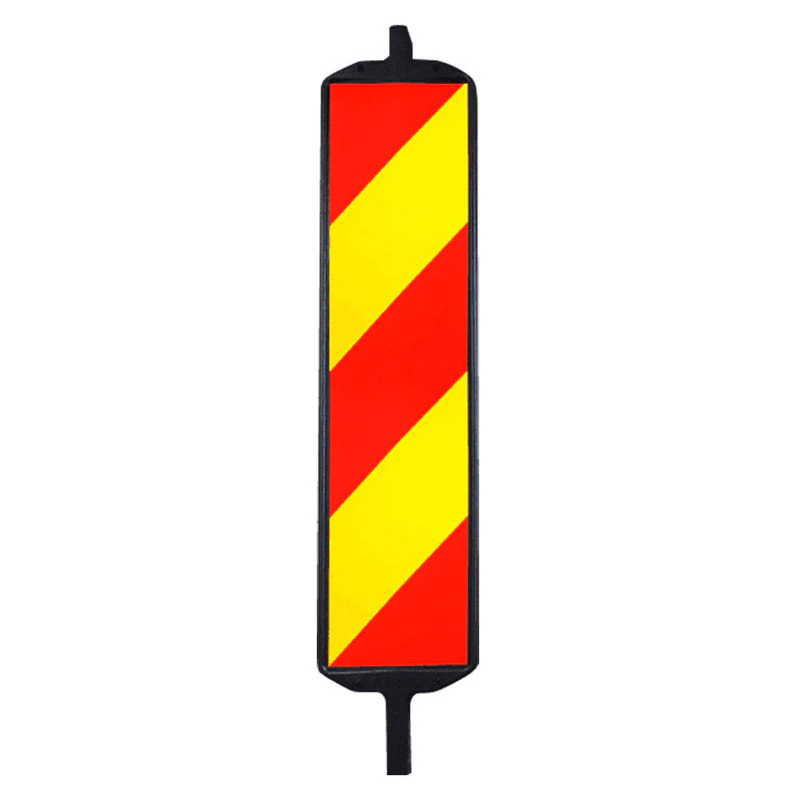
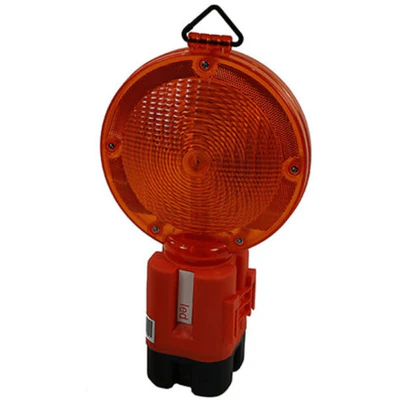
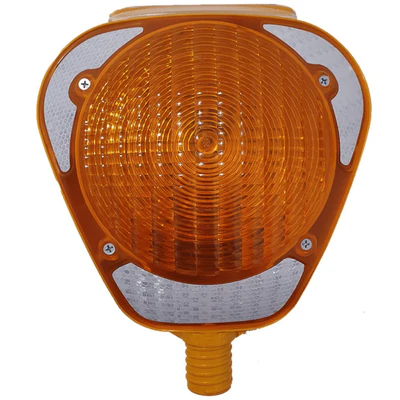
In any area of Road works, the first thing a driver must observe is the clear direction of bypass. Directional marking signaling left-right ocollation works Class 1, 1000x250 mm is designed precisely for this purpose: to guide traffic visibly, quickly and safely, regardless of lighting or traffic conditions.
This Road signs for works is widely used in Road construction, temporary traffic diversions, roadside interventions, infrastructure works and road maintenance. Built for maximum resistance and visibility, the beacon clearly signals removal of obstacles or work areas by left- or right-facing reflective arrows.
Standard size 1000 × 250 mm provides an optimal visibility surface for drivers, and Reflective foil Class 1 ensure rapid direction detection even at night or under adverse weather conditions.
Role of the directional beacon in the organisation of traffic in working areas
In road work areas, each signalling element has a critical role. The directional beacon for left-right bypass It's not just a reflective panel — it's a traffic management tool that prevents accidents and reduces driver confusion.
When the carousel is blocked by machinery, materials or technical interventions, the traffic flow shall be rerouted quickly and clearly. This is where this comes in signaling beacon works, which visually indicates the correct direction of bypass.
The benefits are immediate:
- reducing the risk of collisions in working areas
- increasing the visibility of obstacles
- intuitive driver guidance
- maintaining the organised traffic flow
For companies carrying out roadwork, use of a directional markings conforming to road signalling standards is mandatory in most infrastructure projects.
High visibility due to the reflective sheet Class 1
One of the most important elements of this left-right bypass beacons is the reflective leaf of Class 1.
This reflective technology allows the signal to be visible from a distance when illuminated by vehicle headlamps.
How Reflective Sheet Works
Reflective foil is made of micro-presses or glass microbes that reflect light directly to the source. As follows:
- Driver clearly sees directional arrow
- signal becomes visible even at night
- reflection remains constant over a long distance
In practice, this feature helps to anticipating the bypass direction before the driver reaches the work area.
Size 1000x250 mm – standard for temporary signalling
Size 1000 mm length and 250 mm width is one of the most used in the field of temporary road signs.
This dimension offers an optimal balance between:
- visibility
- portability
- stability on support
Large surface allows clear application of Reflective directional arrowswhich may be oriented to left or right bypass, depending on the configuration of the works.
Durable materials for use in difficult environments
Road works involve extreme conditions of use:
- rain
- powder
- intensive traffic
- Variable temperatures
That's why, Tags directional signage works is made of resistant materials, designed for intensive use.
Panel structure
The panel shall be made of materials such as:
- plastic resistant technical
- PVC rigid or industrial polymers
- metal support or robust gripping system
These materials shall ensure:
- impact resistance
- UV resistance
- dimensional stability
- long duration of use
Compatibility with heavy bases and beacon supports
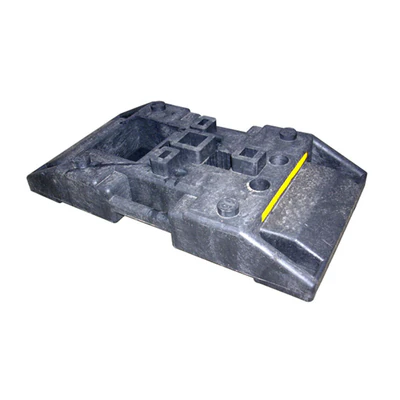
For field use, directional beacon for road works shall be mounted on a stable support.
The most common use is:
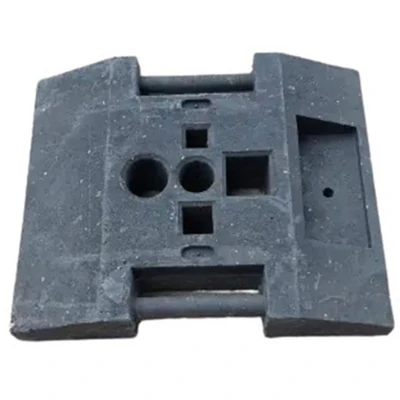
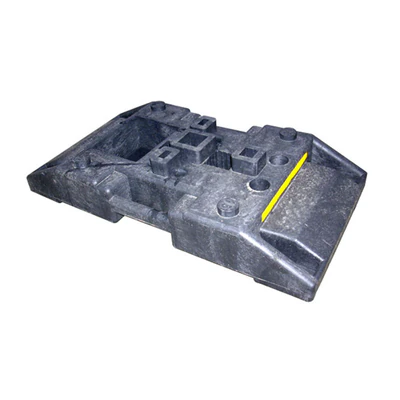
- Heavy rubber bases
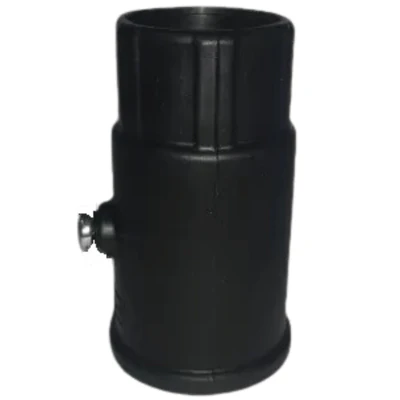
- metal bearings for beacons
- temporary signaling modular systems
These bases offer stability even in conditions of wind or intense traffic.
In practice, the beacon can be mounted quickly on:
- base of 15 kg
- base of 18 kg
- base of 28 kg
Thus, the intervention teams can install the signalling system in a few minutes.
Use in road works, infrastructure and interventions
This directional beacon for signalling works is used in a wide range of applications.
Common areas of use
1. Road construction
Indicates the diversion of traffic around work areas.
2. Usefulness interventions
Water, gas or electricity companies use beacons to signal roadside interventions.
3. Road maintenance works
Operations such as:
- asphalt
- Roadway milling
- Road marking
requires the temporary organisation of traffic.
4. Events or temporary restrictions
Tags can guide traffic during:
- public events
- temporary restrictions
- urban works
Quick field installation
A major advantage of this signalling beacons ocolition work left right is extremely fast installation.
Typical process:
- position heavy base
- fix the support of the beacon
- mount directional panel
The whole system can be installed in less than one minute.
This speed is essential in situations of intervention or urgent work.
Resistance to extreme weather
The beacon is designed for long-term outdoor use.
Main features include:
- UV resistance
- rain resistance and humidity
- stability at extreme temperatures
- Maintaining reflective properties
These features ensure the correct functioning throughout the project.
Compliance with road signalling requirements
In most infrastructure projects, temporary signalling must comply with strict standards.
The directional beacon is designed to be compatible with:
- European standards for temporary signalling
- Road safety rules
- requirements for road works
By using a reflector beacons Class 1companies may ensure compliance with minimum visibility requirements.
Commercial benefits for companies and operators
- clear traffic guidance in working areas
- reducing the risk of accidents
- rapid installation on the yard
- high visibility at night
- compatibility with standard heavy bases
- resistance to intensive use
- compliance with road signalling standards
- reduced cost of living
FAQ – Frequently asked questions about directional beacon for works
What is a directional beacon for road works?
It is a reflective panel used to indicate the direction of traffic bypass in areas where the carousel is blocked by works or obstacles.
What does the reflective sheet Class 1 mean?
Reflective folia Class 1 provides good visibility at night, reflecting light from the headlights to the driver to make the signal easy to observe.
Where is a directional beacon mounted?
The beacon shall be mounted on heavy bases or special temporary signalling supports used in road construction sites.
Is the use of beacons in road works mandatory?
In most cases, yes. Road safety rules require clear signaling of work to protect traffic participants.
What is the difference between Class 1 and Class 2 on reflective sheets?
Class 2 provides greater reflectivity and is used in areas with intense traffic or reduced visibility.
Can this beacon be used at night?
Yeah. Reflective foil allows good visibility when illuminated by vehicle headlamps.