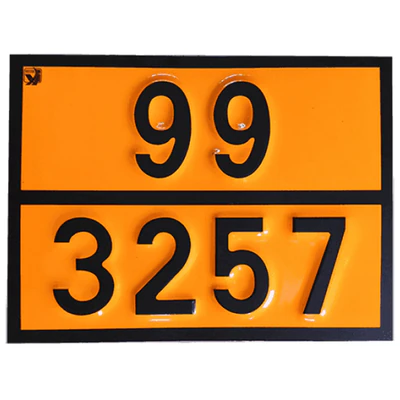
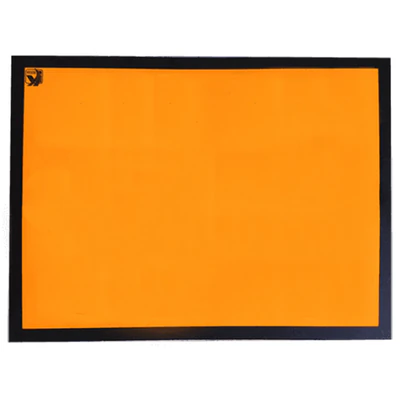
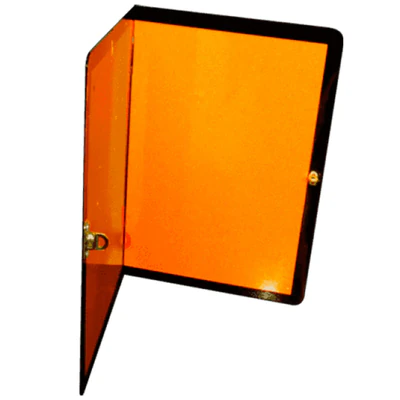
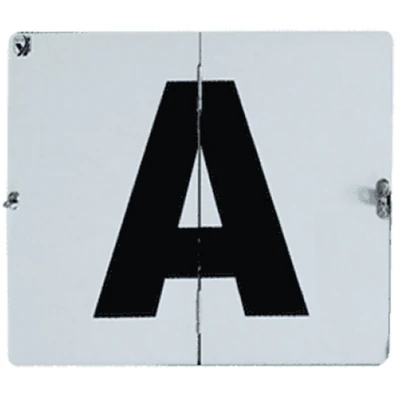
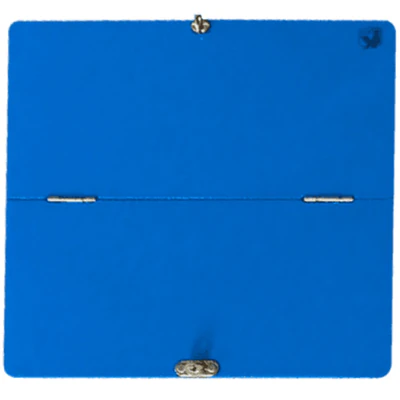
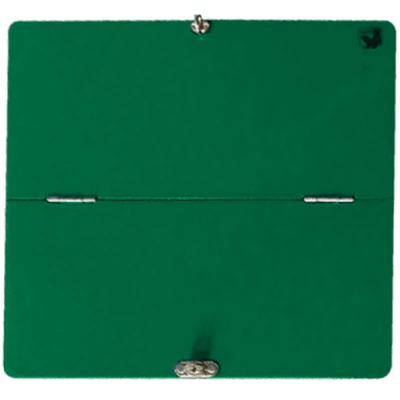
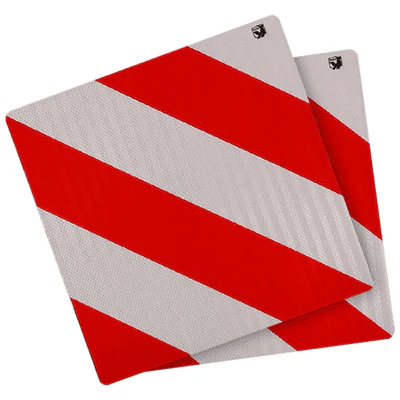
In the food industry, safety, traceability and conformity of transport are not optional. Non-reflective panning plate 300x300 mm is an essential element for vehicles distributing bread products, contributing to the rapid and clear identification of the type of goods transported.
Whether we're talking about local bakery, distribution networks or specialized carriers, this Signalling plate for the transport of bread is designed to comply with the operational requirements of the field and to provide a durable, visible and user-friendly solution.
Why is a plate required for the transport of bread?
The transport of food involves strict rules on hygiene, identification and control. In this context, identification plates for the transport of bread are used for:
- differentiation of vehicles according to the type of goods
- compliance with internal or contractual rules
- organisation of logistics in warehouses and distribution centres
- increasing transparency in the supply chain
This Non-reflective plate 300x300 mm for baking is optimised for daily use in industrial and commercial environments.
Essential technical characteristics
Dimensions and standardised format
- Format: 300 x 300 mm
- Optimum dimension for visibility without taking up unnecessary space
- Compatible with most commercial vehicles
Durable material for intensive use
- Manufactured from resistant materials (PVC rigid / aluminium composite)
- Resistance to moisture, dust and temperature variations
- Not deformed in time
Non-reflective surface
- Ideal for use in environments where reflectivity is not necessary
- Reduce costs without compromising functionality
- Good visibility under normal lighting conditions
Clear and legible inscription
- Text dedicated to the transport of bread products
- High contrast for quick reading
- Resistance to discoloration
Advantages of use in the transport of bread
Operational clarity in the fleet
In a mixed fleet, the rapid identification of vehicles becomes critical. With this plate transport bread 300x300 mm, eliminating confusion is instantaneous.
Effective organisation in warehouses
In logistics centers, where time means money, this plaque helps to:
- Quick steering of vehicles
- optimisation of loading/unloading flows
- reducing human errors
Compliance and professionalism
Use of a Plates for food transport transmits professionalism and compliance with industry standards.
Real applications in industry
Woundings and patissements
Daily transportation to stores or final customers.
Regional distributors
Fleets delivering fresh products to several locations.
Retail chains
Internal transport between warehouses and points of sale.
Catering and food producers
Identification of vehicles for the transport of sensitive products.
How to mount panning transport plate?
The assembly is simple and fast, without the need for special tools:
- mechanical fixing (screws, collars)
- mounting on existing support
- possibility of rapid disassembly
The design allows installation on:
- back door
- side vehicle
- Dedicated panels
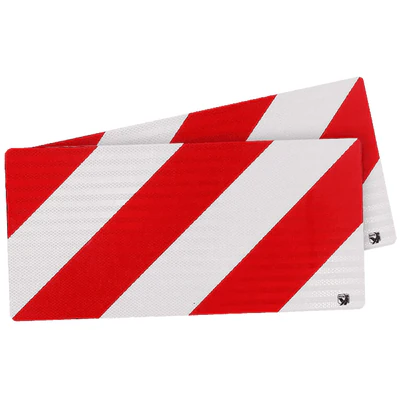
Difference between reflective and non-reflective plates
When do you choose the non-reflective version?
- urban or daytime transport
- internal requirements, not regulated ADR
- Optimized budget
Advantages of 300x300 mm non-reflecting variants
- lower cost
- minimum maintenance
- sufficient for most food applications
Commercial benefits for the customer
- Reduce the risk of logistical errors
- Organizing your efficient fleet
- The company's professionalism is growing
- Ensures rapid identification of transport
- Optimize Costs Without Compromise
- Improve operational flow
- You have a durable and reusable product
FAQ – Frequently Asked Questions
Is this plate mandatory for baking transport?
It is not mandatory by law in all cases, but is frequently required in internal procedures and logistical contracts.
What material is the plate made of?
Usually made of rigid PVC or composite aluminium, wear-resistant materials and weather conditions.
Can it be used outside?
Yes, it is designed for external use, resistant to rain and temperature variations.
Is it visible at night?
Being non-reflective, visibility is limited at night without direct illumination.
How do you fix it on the vehicle?
Through screws, collars or other simple gripping systems.
Can you customize it?
Depending on the supplier, some variants allow customization.