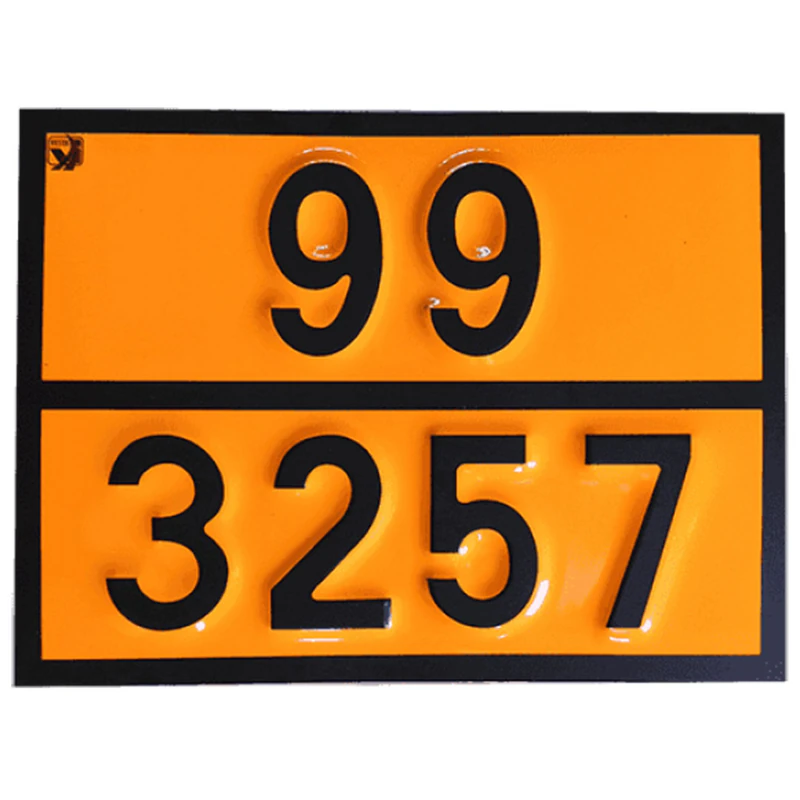
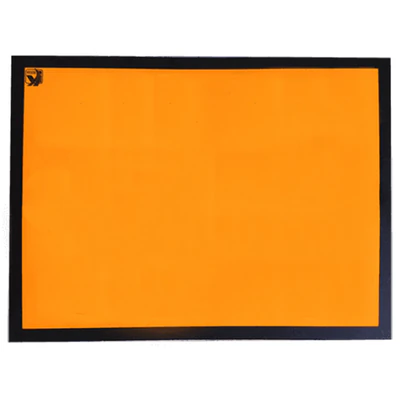
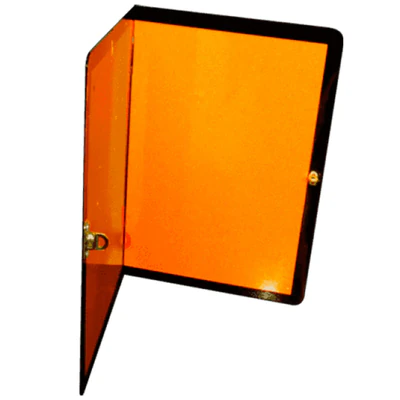
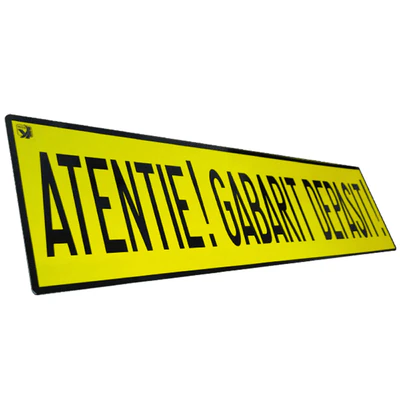
ADR hazard and substance identification plate is a critical element in the safety chain of the transport of dangerous goods by road. If you operate in logistics, transport fuels, chemicals or flammable materials, this plaque is not only a legal obligation – it is a guarantee of safety, conformity and professionalism.
In a context where ADR rules are increasingly strict, choosing a correct, robust and compliant plate becomes a strategic decision. It's not just a simple label – it's an internationally standardized visual warning system.
Why a ADR hazard and substance identification plate is essential
The transport of dangerous goods entails major risks. From flammable substances to toxic or corrosive materials, each transport requires clear and rapid identification.
ADR hazard and substance identification plate performs two vital functions:
- report type of risk (hazard code)
- identify the substance transported (code ONU)
This information is essential for:
- accident response teams
- control authorities
- Logistical staff
Without a correct plate, the reaction time in critical situations increases significantly, and the risks become exponentially greater.
Technical characteristics that make the difference
Durable materials for intensive use
ADR plates are made of resistant materials, designed for extreme conditions:
- anodised aluminium or treated steel
- plastic industrial rigid (depending on model)
- High-visibility reflective layer
These materials shall ensure:
- UV resistance
- protection against corrosion
- durability in temperature variations
Maximum visibility under any conditions
A critical aspect of ADR plate is visibility. Professional models include:
- intense orange background standardized
- contrasting black digits
- optional: reflective layer for night
This combination allows rapid identification even if:
Standard dimensions ADR
The plates comply with international standards:
- average size: 400 x 300 mm
- compartmentalization in two zones (danger code/code) ONU)
- possibility of customization or insertion of figures
Legal compliance and ADR standards
Compliance with international standards
The ADR hazard and substance identification plate complies with the requirements of the ADR (European Agreement concerning the International Carriage of Dangerous Goods by Road).
This means:
- Standard format
- compliant codes ONU
- compulsory use for dangerous transport
Avoidance of fines and sanctions
The use of a non-compliant plate may lead to:
- significant fines
- Vehicle retention
- suspension of activity
Investment in a correct ADR plate eliminates these risks and ensures operational continuity.
Types of ADR plates available
Fixed plates
- permanent mounting
- ideal for constant transport of the same type of substance
- maximum durability
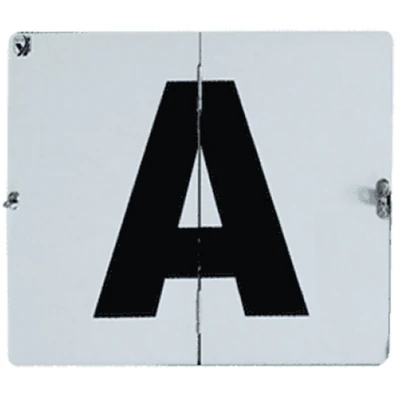
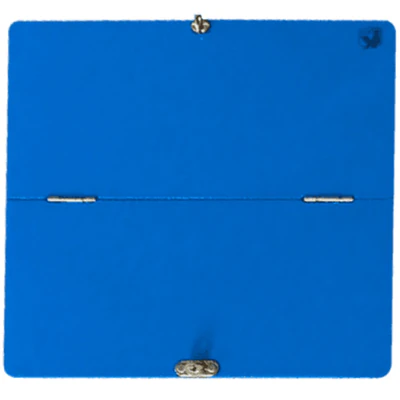
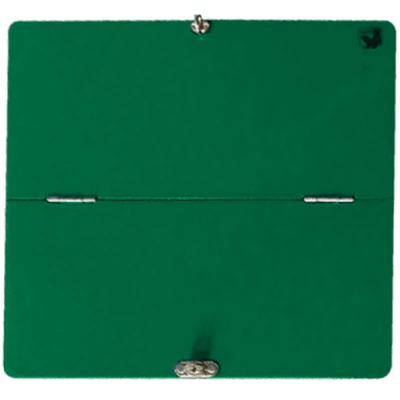
Folding plates
- allow display/hiding
- useful for mixed vehicles
- Operational flexibility
Plates with interchangeable numbers
- adaptable for different transports
- modular system
- increased efficiency for various fleets
Real applications in industry
ADR hazard and substance identification plate is used in multiple industries:
- transport of fuels (benzine, diesel)
- Chemical industry
- Transport of liquefied gases
- industrial logistics
- Construction (hazardous substances)
Regardless of the field, the plate becomes an indispensable element for safety and compliance.
How to choose the correct ADR plate
1. Identify type of transport
You need:
- fixed plate?
- Rabatable plate?
- modular system?
2. Check the material
For intensive use:
- aluminium = durability
- plastic = efficient cost
3. Analyze Visibility
Choose variant:
- reflector
- strong contrast
4. Support compatibility
Make sure the plate is compatible with:
- existing ADR support
- Vehicle catch system
Commercial benefits for the customer
- Increase transport safety
- Avoid costly fines
- Respect ADR legislation
- Improve the image of the company
- Reduce operational risks
- Optimize emergency response
- Increase the trust of partners
- Protect employees and the environment
Frequently Asked Questions (FAQ)
What is the ADR plate code?
Codul superior indică tipul de pericol, iar cel inferior identifică substanța conform ONU.
Is the ADR plate mandatory?
Yes, for any transport of dangerous goods by road under ADR legislation.
Can I use a plate without reflection?
Yes, but reflectors are recommended for increased visibility.
How to mount ADR plate?
It shall be attached to special supports in the front and rear of the vehicle.
Can the figures be changed?
Yes, in the case of modular plates or inserts.
What dimensions does the plate have to have?
The usual standard is 400 x 300 mm.
Is it necessary to maintain the plate?
Yes, it must be kept clean and legible permanently.