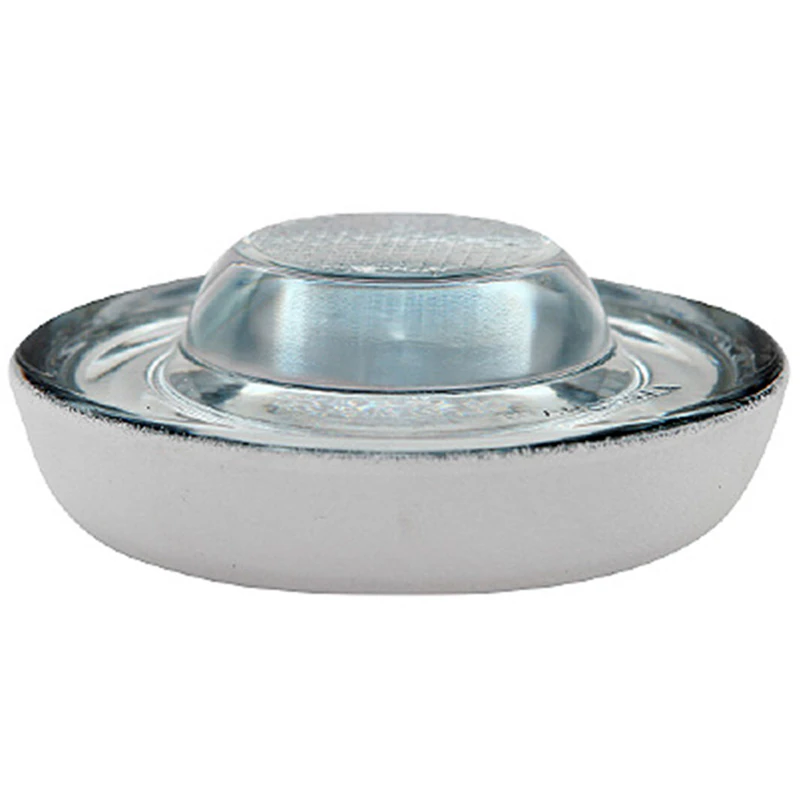
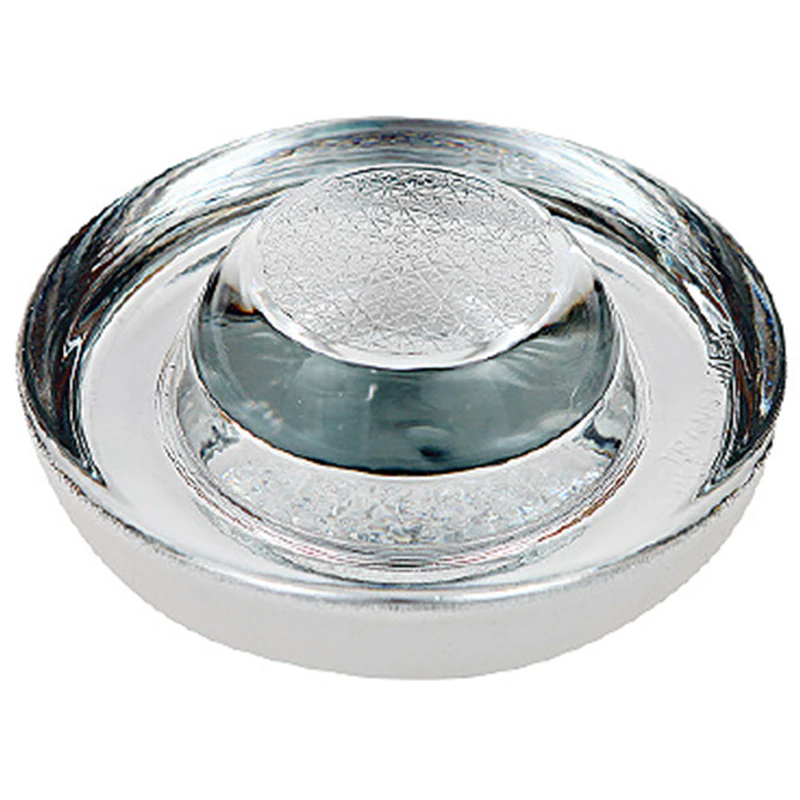
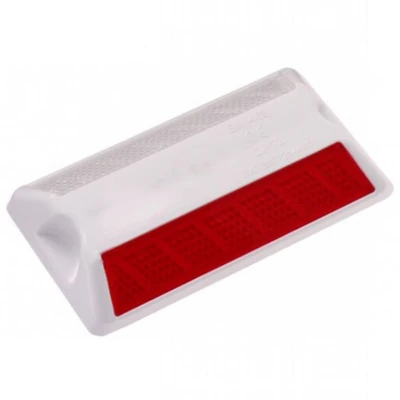
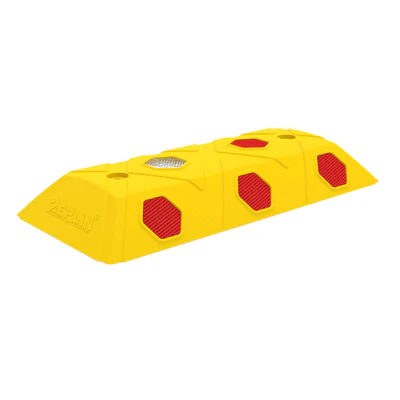
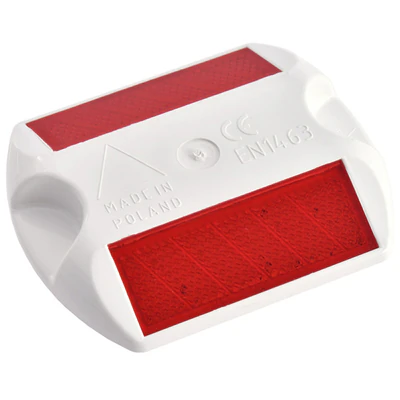
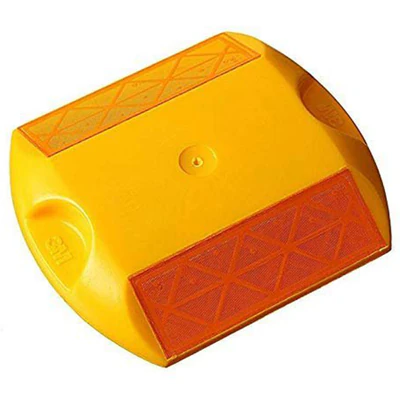
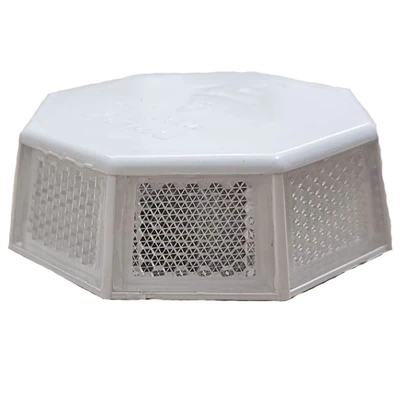
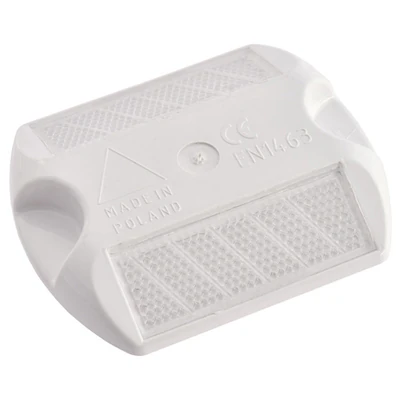
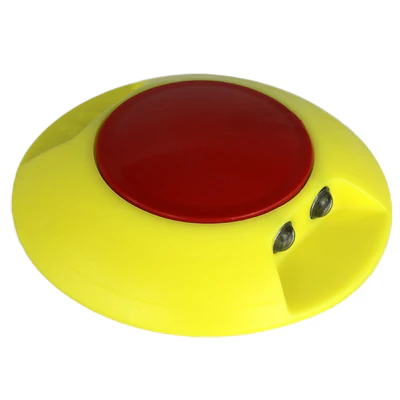
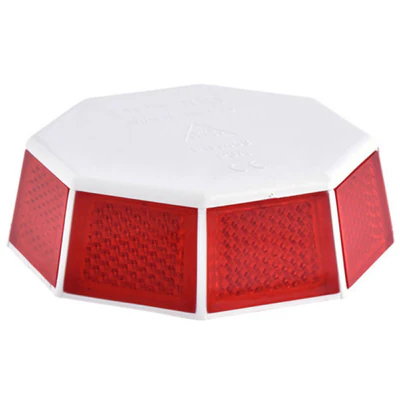
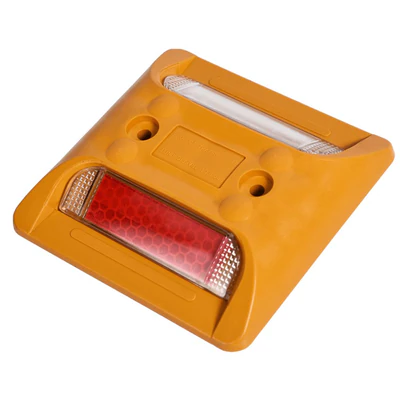
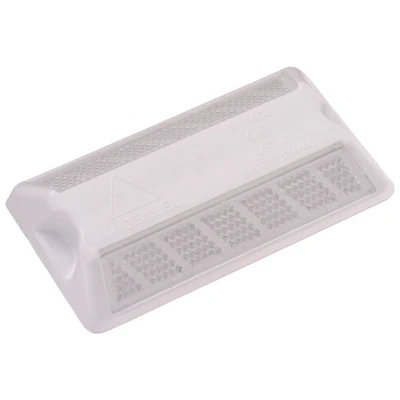
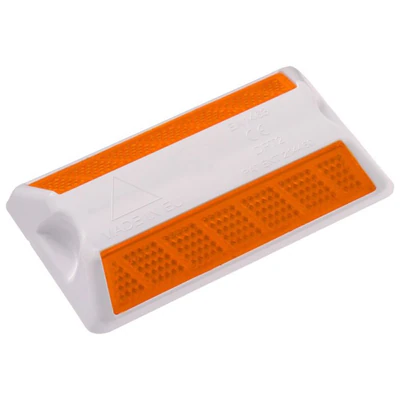
The street marker in the glass is a Road safety element of type raised pavement marker, used to delineate traffic lanes, mark critical points on the road and improve road visibility, especially at night or under difficult weather conditions. This marker uses High quality tempered glass and a retro-reflective design to guide drivers and reduces the risk of accidents.
While traditional markings are often just paint or plastic, glass street markers offer reflectivity 360°, exceptional durability and long-term reliable performance, exceeding the performance of conventional markers.
Why choose a street Marker from the glass
Exceptional road safety
The street marker in the glass reflects the light of the headlamps back to the drivers, offering maximum visibility in the dark, rain or fog. This capacity of 360° retroreflection improves the reaction to the changes in the route and helps prevent sudden manoeuvres.
Upper durability
Construction from tempered glass offer impressive resistance to heavy traffic and repeated loads, with compression resistance values of up to 25 tonnes or more depending on the model.
Resistance to environmental factors
Glass markers do not rapidly deteriorate as a result of UV exposure, thermal variations, acid rain, salt or fuel – resulting in a significantly longer lifespan than alternatives in plastic or ceramics.
Reduced maintenance
The smooth design of the surface makes these markers accumulate minimum dust and dirt, reducing the need for regular cleaning and maintenance.
Typical technical specifications
| Characteristic |
Typical value |
| Body material |
High density tempered glass |
| Reflectivity |
Retroreflective 360° |
| Compression resistance |
Up to 25 tonnes or more |
| Diameter |
~100 mm |
| Height above surface |
~49 mm |
| Reflective colour |
White, yellow, red, etc. (depending on application) |
How it works
The street marker in the glass captures the light of the headlamps and reflects it back in the direction of the source through its convex-retro-reflecting surface. This technology is superior to unprocessed markings, providing constant visibility regardless of the vehicle approach angle.
Practical applications
Roads and motorways
Ideal for band separators, pedestrian passes or hidden steps, glass markers are used on intensively circulated routes to provide strong visual cues.
Dangerous curves and areas with reduced visibility
Their installation at critical points helps to reduce accidents, guiding drivers intuitively.
Parks and pedestrian areas
Increased visibility in large parking lots, for clear delineations of traffic flows.
Alternative intersections and routes
In combination with other signals, markers can make complex intersections safer.
Commercial benefits
- ✔ Significant increase night road safety
- ✔ 360° retro-reflective visibility, without a dead end
- ✔ Premium material with high resistance to traffic and weather
- ✔ Extended life span, reduced maintenance
- ✔ Simple assembly compatible with most road surfaces
- ✔ Contributing to compliance with the standards Road safety
- ✔ Long-term economic solution by reducing the need for replacement
FAQ – Frequently Asked Questions
1. What is a street marker in glass?
It is a reflecting device of tempered glass used to mark road surfaces and improve the visibility and safety of traffic.
2. What's the difference to a plastic marker?
Glass markers have greater resistance to abrasion and intense traffic and offer stronger reflectivity.
3. How do you mount it?
Attach to asphalt or concrete by inserting into a prepared body and fixing with resin or mastic.
4. What colors are available?
White, yellow, red and other reflecting variants, depending on local road codes.
5. What standards follow?
Markers may respect international standards of reflectivity and sustainability (e.g.: EN1463 or other regulations).