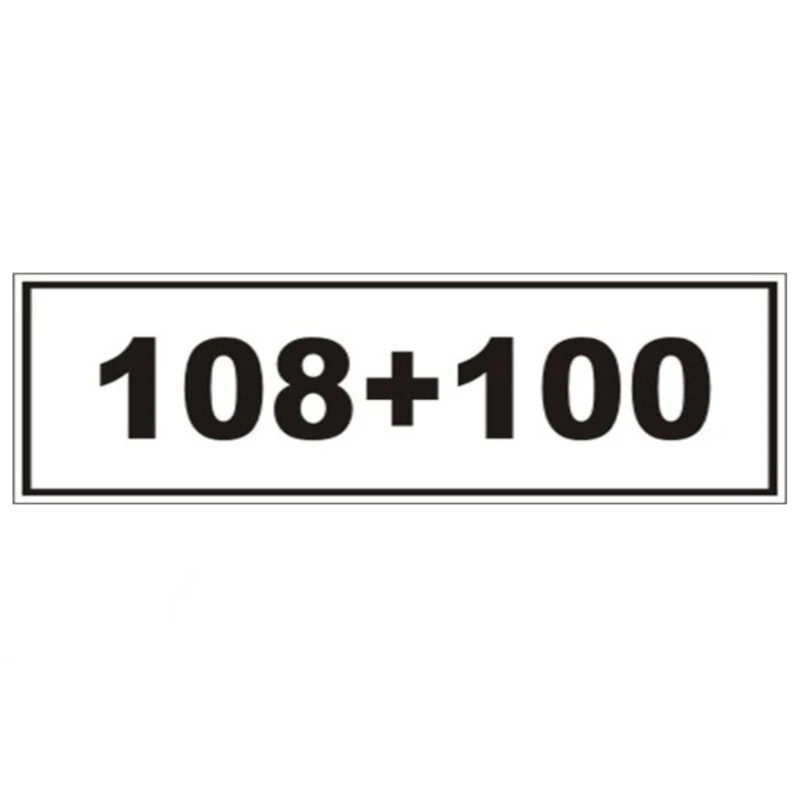
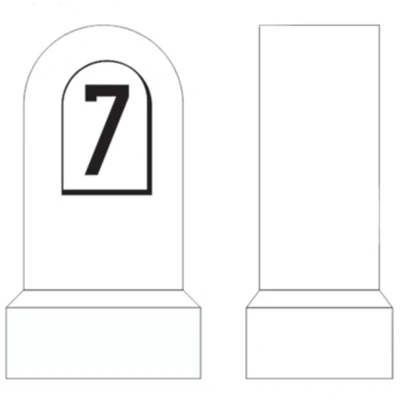
Hectometric indicator for motorways K7 is an essential element in modern road infrastructure, used to accurately mark the mileage position on motorways and high-speed roads. Designed for resistance, legibility and compliance with road standards, this type of indicator becomes a critical benchmark for both authorities and intervention or maintenance teams.
On the highway, every meter counts. And when you need rapid orientation, exact location or effective intervention, a well-achieved hectometric indicator makes the difference between chaos and control.
What is the hectometric indicator K7 and why it is vital on highways
The hectometric indicator K7 is used to mark distances from 100 to 100 metres (hectometres), providing a precise position between the mileage terminals.
This type of signalling is indispensable in:
- traffic management
- emergency response
- maintenance work
- reporting of road accidents
On motorways, where speed is high and speed is crucial, the K7 indicator provides a clear and constant reference point.
Essential technical characteristics of the hectometric indicator K7
Durable materials for intensive use
The indicator is usually made of:
- galvanized steel board
- aluminium resistant to corrosion
These materials shall ensure:
- weather resistance
- extended life span
- structural stability
High Performance Reflective Sheet
Visibility is key. Indicator K7 is equipped with reflective sheets:
- Class 1 or Class 2 (depending on specification)
- UV resistant and abrasion
- visible at night and in difficult weather conditions
This allows fast reading from a distance, even at high speeds.
Clear and standardised inscription
The markings shall be made in accordance with the following rules:
- legible figures, strong contrast
- standard road font
- resistance to discoloration
Where the hectometric indicator for K7 motorways is used
The K7 indicator is designed specifically for:
- National and European motorways
- express roads
- high-speed seat belts
It is used by:
- CNAIR and road authorities
- construction and maintenance companies
- Intervention teams (ISU, Police, Ambulance)
Critical role in road safety and rapid intervention
Precise location in case of emergency
In critical situations such as accidents or malfunctions, rapid communication of the position is vital.
Indicator K7 allows:
- exact location identification
- reduction of intervention time
- effective coordination between teams
Traffic management support
The authorities shall use these benchmarks for:
- traffic flow monitoring
- implementation of temporary restrictions
- management of road works
Compliance with existing standards and regulations
The hectometric indicator K7 shall comply with:
- national road regulations
- European standards for road signs
- requirements for visibility and sustainability
This shall ensure:
- legal use
- compatibility with existing infrastructure
- maximum safety for participants in traffic
Competitive advantages over other signalling solutions
Compared to other markings, the K7 indicator offers:
- higher accuracy in location
- constant visibility
- reduced maintenance costs
- fast and efficient installation
It is a simple but extremely effective solution.
Installation and compatibility
The hectometric indicator K7 may be mounted:
- by metal or concrete posts
- with standardised gripping systems
- in lateral positions of the carousel
Installation is fast and does not require complex equipment.
Durability under extreme conditions
Designed for outdoor use, the indicator shall withstand:
- temperature variations
- rain, snow, strong wind
- intense sun exposure
Reflective folly retains its properties for years in a row, without significant degradation.
Commercial benefits for the customer
- Exact location on the highway
- Increase road safety
- Reduces intervention time
- Excellent visibility day/night
- According to legal standards
- Reduced maintenance cost
- Long life
- Fast and efficient installation
- Ideal for large projects
- Support for authorities and companies
FAQ – Frequently Asked Questions
1. What distance does a K7 hectometric indicator mark?
The indicator marks every 100 metres between the mileage terminals.
2. Is it mandatory on highways?
Yeah, it's part of the standard highway road signalling system.
3. What type of reflective leaflet is used?
Usually Class 1 or Class 2, depending on the requirements.
4. Can you resist extreme weather conditions?
Yes, it is designed for long-term outdoor use.
5. Can you customize the inscription?
It generally complies with the standards, but can be adapted for special projects.
6. How do you mount it?
On dedicated metal posts or supports, with included or standard gripping systems.