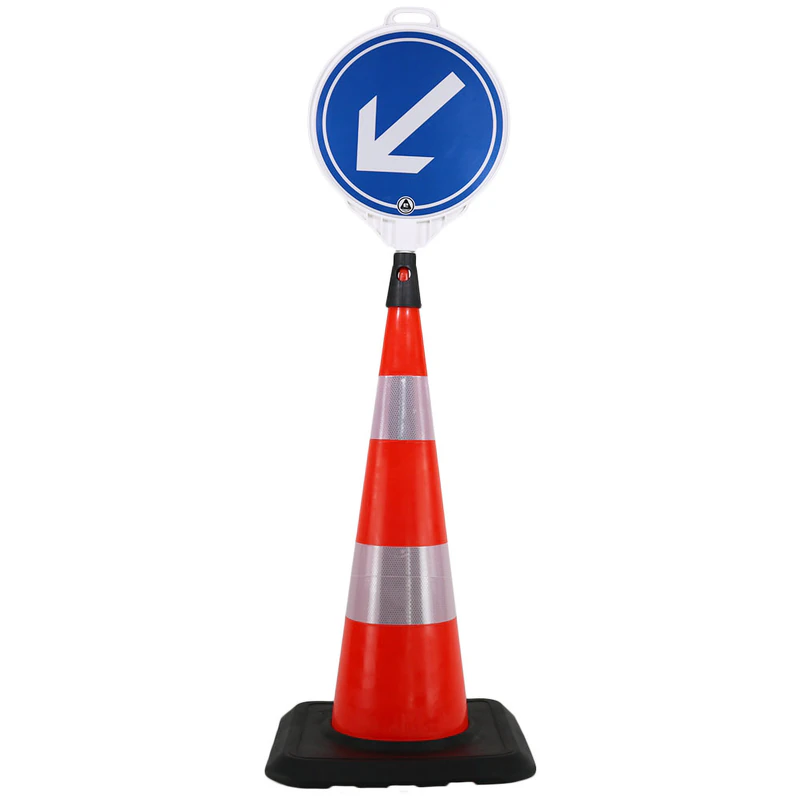
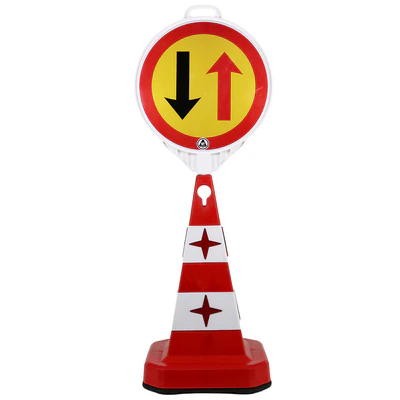
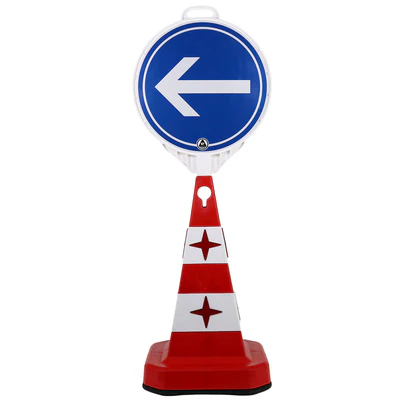
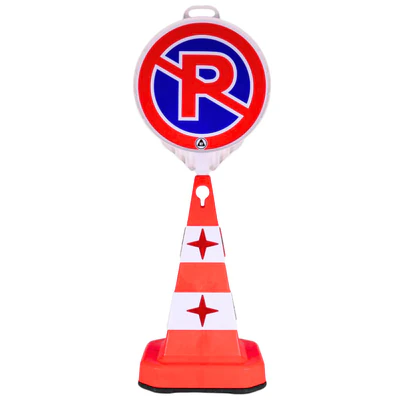
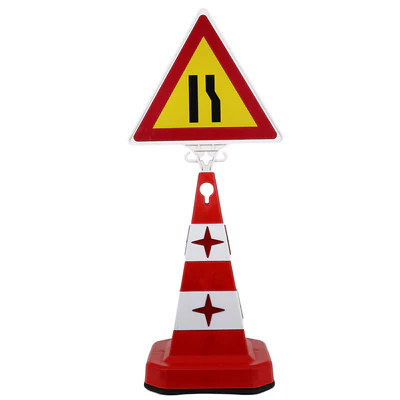
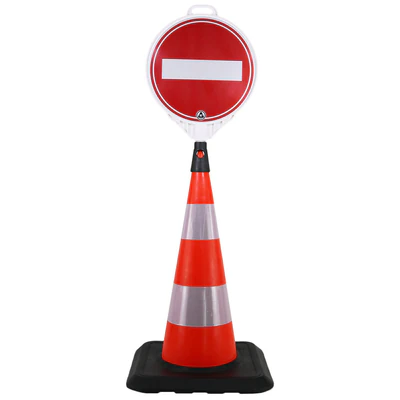
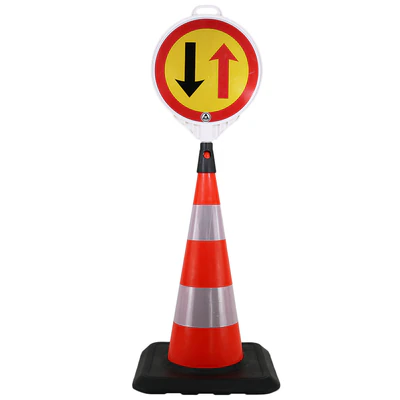
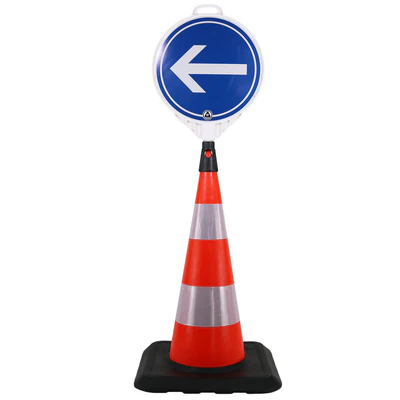
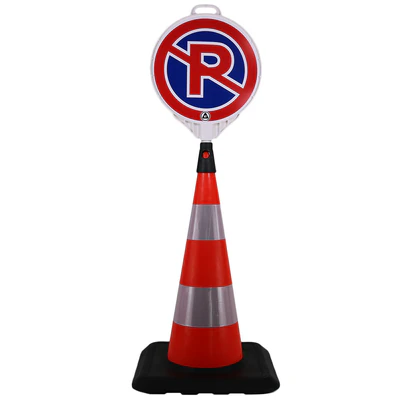
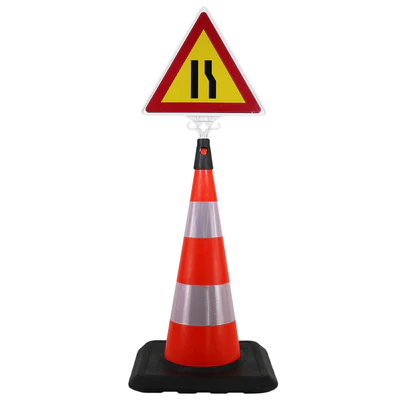
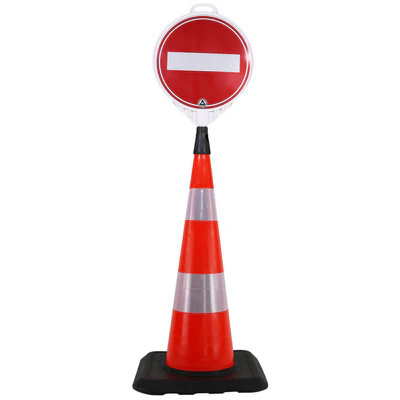
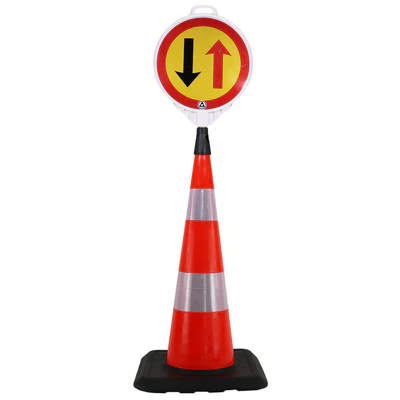
900 mm traffic cone package with the left side bypass indicator is one of the most widely used temporary signalling solutions for driving traffic in work areas, road constructions, emergency interventions or traffic diversions. This type of equipment is part of the category of systems safety and professional road guidance, being designed for high visibility, mechanical resistance and rapid transmission of a clear indication to traffic participants.
In an urban or extra-urban context where road safety depends on the clarity of the signaling, a 900 mm traffic cone package with indicator for left side bypass becomes a critical element. It is not just a simple cone, but a complete visual warning system, used by construction companies, road managers, utilities and local authorities.
Introducing the traffic cone package 900 mm
900 mm traffic cone package with left side bypass indicator is designed to provide a rapid temporary signalling solution in active traffic areas. In practice, this equipment is used for:
- redirecting traffic around an obstacle
- signalling work on the roadway
- guidance of vehicles in restricted areas
- alternative colouring of circulation
- increasing visibility at risk
The 900 mm size offers a major advantage over smaller standard cones, ensuring superior visibility at a distance, including under fog, rain or night-time intense traffic conditions.
What is a 900 mm traffic cone package with left indicator
Such a package shall normally consist of:
- 900 mm high cone traffic
- marking plate or signaling panel type ‘left ocolition'
- Stable system between con and indicator
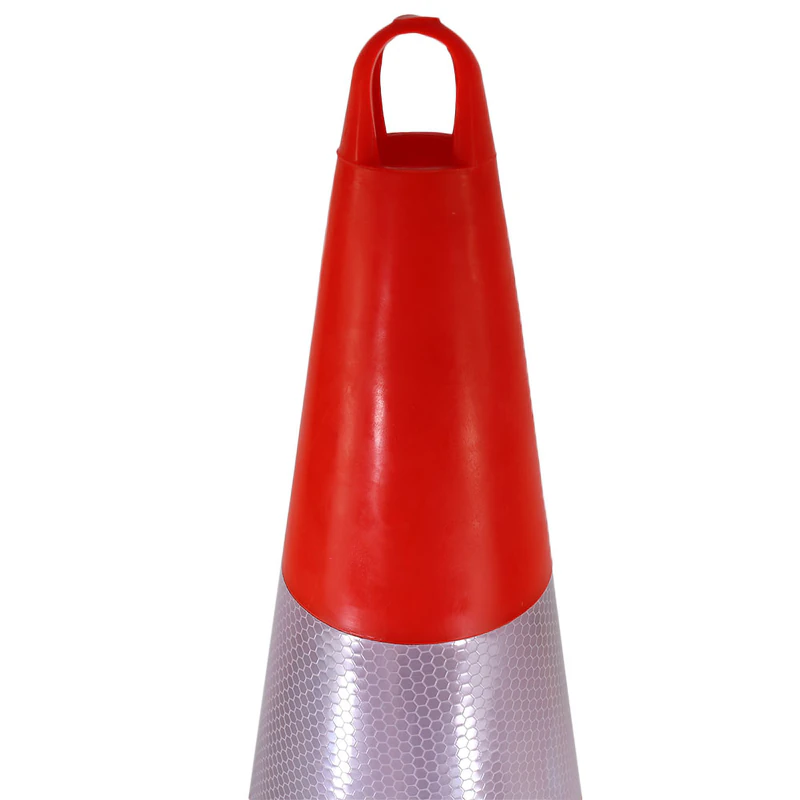
- elemente reflectorizante de înaltă vizibilitate
This set is designed to function as a full road message, not just as a simple delimiting object.
The left side bypass indicator shall send a standardised message in accordance with international road signage practices: traffic shall be safely diverted to the left side of the obstacle or restricted area.
The role in modern road safety
In modern road infrastructure, safety depends on reaction time and clarity of visual information. This type of traffic cones has the role of reducing:
- the risk of accidents in working areas
- Confusion of drivers in modified temporary areas
- accidental entry into hazardous areas
- locks generated by the lack of correct guidance
In many situations, this type of equipment is the first line of defence between traffic and active working areas.
Construction and materials used
Although the specifications may vary depending on the manufacturer, a 900 mm traffic cone package with the left side bypass indicator is generally made of technical materials resistant to:
- mechanical impact
- UV rays
- temperature variations
- Repeated contact with vehicles
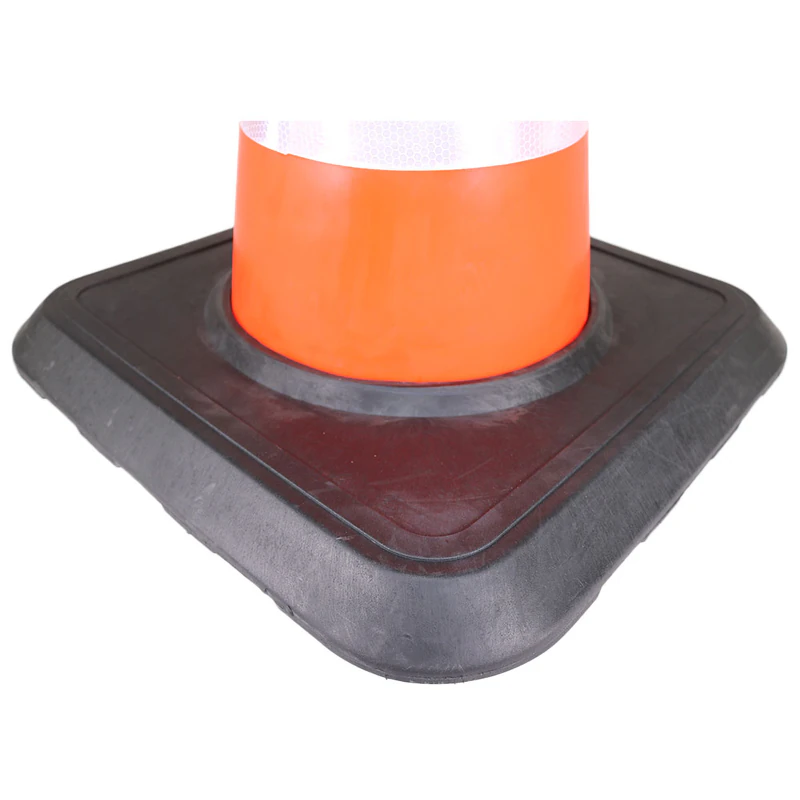
The cone base is usually made of rubberized material or flexible PVC, designed for roadway stability. The cone body is optimized for high visibility, and reflector elements are strategically positioned to be visible from multiple angles.
The signalling panel shall be made of rigid or semi-rigid material, with professional reflective sheets.
Visibility and traffic performance
One of the most important advantages of this product is its increased visibility.
Essential characteristics:
- 900 mm height for remote sensing
- reflector elements for night
- High contrast between standard colours (yellow/white/red/blue, depending on the standard)
- conical form easily recognized in traffic
This combination reduces the reaction time of drivers and increases the overall safety level.
Field applications
The package is used in multiple real scenarios:
Road works
For the delimitation of areas where asphalting, repair or intervention is carried out.
Utilities
For gas, electricity, water-channel or telecommunications companies.
Temporary event
For organising traffic in crowded areas or public events.
Emergency situations
For firefighters, road police or intervention teams.
Difference between standard cones and indicator package
A simple cone traffic offers only physical delimitation. Instead, this package adds a layer of visual intelligence:
- Cone delimits space
- indicator transmits instruction
This combination transforms the product into a complete guidance system, not just a passive signalling element.
Why 900 mm is the optimal size
In the road signalling industry, height matters enormously. 900 mm is a professional standard for:
- visibility in urban and extra-urban traffic
- compatibility with temporary road signs
- increased stability under wind conditions
- rapid perception by drivers
It's a balance between portability and visual efficiency.
Stability and safety in use
A critical aspect for any traffic cones is stability. This type of product is designed to remain stable even in:
- intensive traffic
- Air currents generated by trucks
- Lightly denoved surfaces
The weight of the base and the conical design contribute to maintaining the correct position in the field.
The importance of signalling ‘left ocollation'
The sign of ‘left-hand bypass' is essential in the management of traffic flow. This:
- reduces ambiguity for drivers
- allows a controlled deviation
- prevents entry into the working area
- Optimize road flow
It is a standard indication used in infrastructure projects across Europe.
Commercial benefits
- Increases safety in working areas
- Reduces the risk of road accidents
- Excellent visibility day and night
- Easy to install and relocate
- Full signaling system
- Compatible with road standards
- Exterior resistance
- Clear traffic guidance
- Efficient in crowded urban areas
- Ideal for construction companies
FAQ
What is a 900 mm traffic cone package?
It is a signaling system consisting of cone and road sign used for traffic steering.
Where is the left occlusion indicator used?
In areas of road work or obstacles where traffic must be diverted to the left.
Is it suitable for night use?
Yes, because of the reflective elements it is visible also at night.
How stable is he in intense traffic?
It is designed for high stability even under heavy traffic conditions.
Can it be reused?
Yes, it is a reusable equipment for multiple interventions.
Is it according to road standards?
In general, yes, being used in works consistent with temporary signalling practices.
Can you carry it easily?
Yes, modular design allows efficient transport and storage.