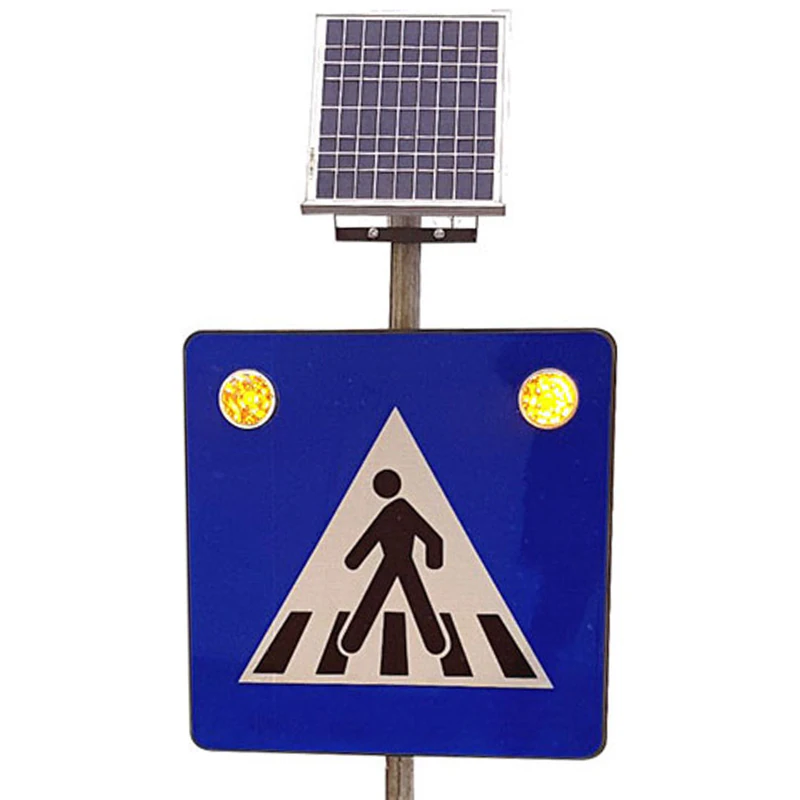
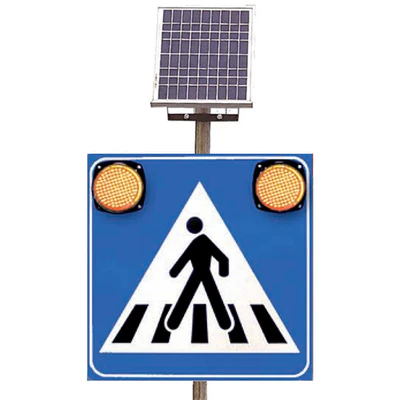
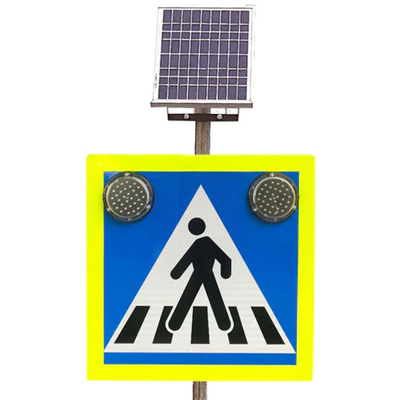
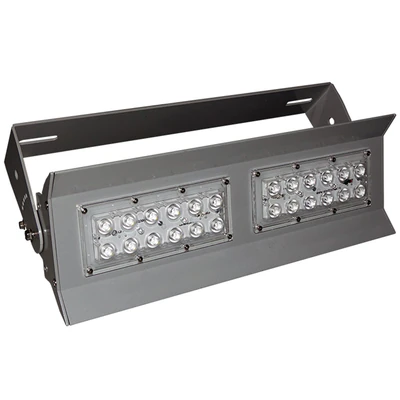
Road sign Passage of pedestrians G1 equipped with flash-type LED lamps powered from solar accumulator photovoltaic panel and support post is a modern solution of smart road signage, designed to increase the visibility of pedestrian crossings in areas at high risk of accidents.
In urban and periurban areas, one of the most common causes of road accidents is reduced visibility of pedestrian crossings, especially at night, in rainy conditions or on poorly lit roads. The classic signalling systems are not always enough to attract the attention of drivers in good time.
That's why, this road sign G1 with flash LED and solar power was designed to turn a simple road sign into a Active visual warning system. The optically amplified LED flash lamps immediately receive the attention of the car drivers, and the photovoltaic panel ensures autonomous operation without connection to the electricity grid.
The result is a signaling system Efficient, economic and extremely visible, ideal for:
- pedestrian crossings in urban areas
- National roads or county
- areas close to schools
- Intersections with intense traffic
- High-risk residential areas
By combining standard road indicator G1, a LED technology flash and a independent solar power, the system provides a complete solution for increasing pedestrian safety.
How the Solar Powered Flash LED Warning System Works
The system is designed for fully autonomous and energy efficient operation.
Solar energy captured by Photovoltaic panel is converted into electricity and stored in a high capacity solar accumulator. This power supplies the flash-type LED lamps mounted on the roadside indicator.
Main system component
- road sign reflective G1 Passage of pedestrians
- two or more High intensity flash LED lamps
- Photovoltaic panel for solar energy capture
- solar accumulator for energy storage
- intelligent electronic controller for energy management
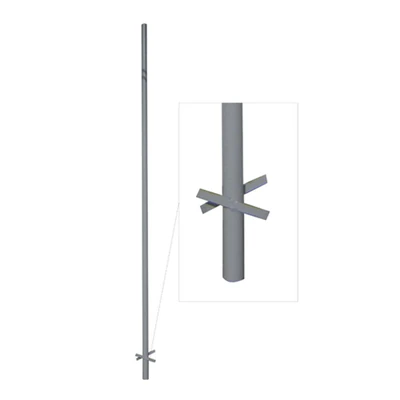
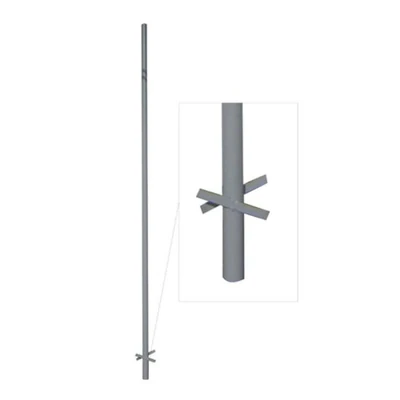
- metal support post For mounting
The controller optimises consumption and manages the operation of LED lamps so that the system remains active even during periods of low sunlight.
High visibility for accident prevention
The main role of this indicator is to increasing the level of driver attention.
While a static road sign may sometimes go unnoticed, flashing light signal produced by LED flash lamps creates a strong visual effect that causes drivers to slow down.
Advantages of LED lighting flash
- High light visible from large distances
- Low energy consumption
- long-term
- resistance to extreme vibrations and temperatures
- Instant start
This type of lighting is frequently used in Modern road safety systems, because it quickly attracts attention even under crowded traffic conditions.
Autonomous solar power – without electricity costs
One of the most important features of this product is independence from the electricity grid.
The photovoltaic panel generates the energy needed to operate the system, and the accumulator stores this energy for use at night or on days with reduced light.
Benefits of photovoltaic power
- Quick installation without electrical cables
- zero electricity costs
- 24/7 autonomous operation
- ideal for areas without electricity infrastructure
- minimum maintenance
This type of solution is preferred by the authorities because significantly reduces installation and operating costs.
Road sign according to signalling standards
Road indicator G1 – Passage of pedestrians complies with the standards used in road infrastructure and is made of sustainable materials.
The indicator panel is manufactured from metal board treated with anti-rosing agents, covered with High performance reflective foil, which ensures visibility even when the LED system is not active.
Constructive characteristics
- corrosion resistant structure
- high quality reflective foil
- Protected margins
- robust mounting per post
This construction allows the indicator to be used under difficult climatic conditions.
Robust support post for safe mounting
The system includes a post metal support designed for installation in road infrastructure.
The pillar is made of galvanised or protected anti-corrosive steel and allows for safe mounting of the indicator, solar panel and LED system.
Structural advantages
- high wind resistance
- long-term stability
- simple mounting
- compatibility with standard foundations
This solution allows rapid installation in almost any type of location.
Ideal applications for road indicator G1 LED solar
The system is frequently used in projects to Road safety and traffic management.
Areas recommended for installation
- pedestrian crossings near schools
- dangerous intersections
- resident areas
- national and county roads
- tourist or agglomerated areas
- large parking spaces
- industrial zone
In these locations, the system contributes significantly to the reducing the risk of accidents.
Commercial benefits for the customer
- increases the visibility of pedestrian crossings
- reduces the risk of road accidents
- draws attention to drivers by active signaling
- Fully autonomous solar power works
- eliminate electricity costs
- Quick installation without electrical infrastructure
- minimum maintenance
- long duration of operation
- ideal solution for road safety projects
FAQ – Frequently Asked Questions
What is the road sign G1 with solar flash LED?
It is a pedestrian passing indicator equipped with intermittent LED lamps powered by a photovoltaic and accumulator panel, designed to increase the visibility of pedestrian passing.
Does the indicator work at night?
Yeah. The energy stored in the accumulator allows the operation of LED lamps during the night or during periods with reduced sunlight.
Is it necessary to connect to the electricity grid?
No, no. The system is completely autonomous and powered exclusively by solar energy.
How visible are the LED lamps?
LEDs are designed for wide distance visibility, including in conditions of rain or fog.
Where is this indicator mounted?
It may be installed on urban, county or national roads, in particular in areas with high risk pedestrian crossings.
What maintenance does the system require?
Maintenance is minimal and consists of periodic verification of the solar panel and the accumulator.