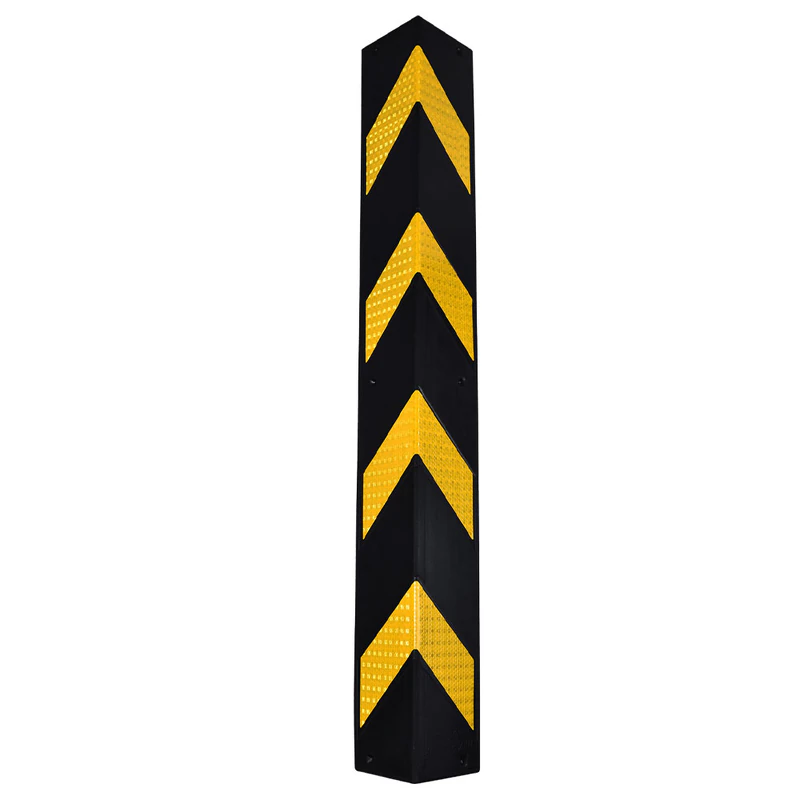
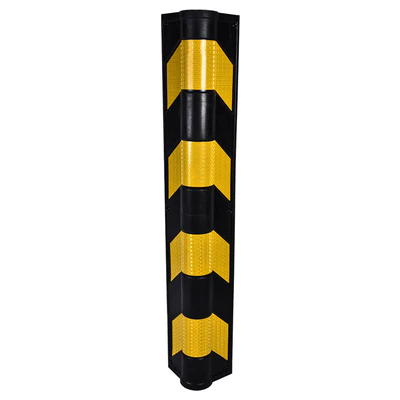
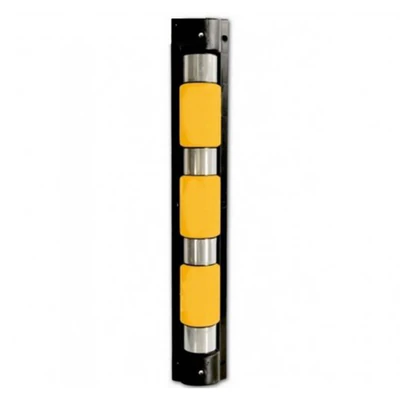
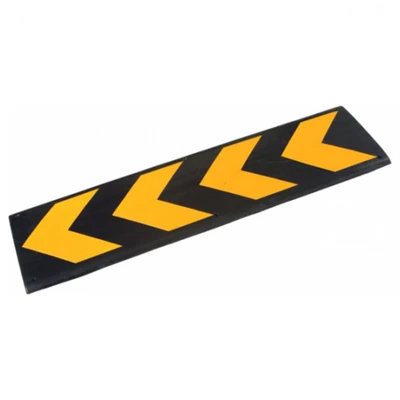
Rubber handle for wall protection parking is that seemingly simple but essential element, which makes the difference between a constant damaged car space and a protected, durable and safe one. Whether we are talking about underground parking, residential garages or industrial spaces, the repeated impact of doors or vehicles on walls generates real costs. This product eliminates the problem from the root.
Built from high density industrial rubber, designed for shock absorption and wear resistance, the corner becomes a standard in modern parking spaces. It's not just a protection, it's an investment in sustainability.
Why do you need a rubber corner for wall protection in the parking lot
In most parking lots, space is limited. Manoeuvring is common, and errors are inevitable. Every time a doorman hits the wall or the car touches the corner of the structure, wear occurs.
Real problems that he solves:
- deterioration of walls and finishes
- scratches and blows on the doorway
- constant repair costs
- non-professional image of space
One rubber corner for wall protection parking act as an elastic barrier between vehicle and wall, absorbing impact and distributing force.
Essential technical characteristics of the protective corner
Premium material – durable industrial rubber
Made of recyclable rubber or high quality EPDM, the product offers:
- Controlled elasticity
- Repeated compression resistance
- extended life span
Efficient absorption of impact
The structure of the material shall be optimised for:
- Dissipation of energy at impact
- vibration reduction
- protection for both the vehicle and the wall
Ergonomic design and enhanced visibility
Many models include:
- yellow-black reflective strips
- visible safety markings in weak light
- shape adapted to 90° corners
Resistance to difficult environments
The product is designed for:
- Extreme temperatures (-30°C to +70°C)
- High humidity
- Exposure to oils and chemicals
Where the rubber protective corners are used
Underground and underground parks
The areas with intense traffic are most exposed to damage.
Residential garages
Protects both the car and the walls of the house.
Commercial and industrial areas
Warehouses, logistics halls, malls.
Office buildings
Maintain a professional aspect and reduce maintenance costs.
How rubber corner protection works
At the time of impact:
- rubber absorbs kinetic energy
- pressure is evenly distributed
- direct contact with the wall is removed
Result: zero structural damage and minimum risk to the vehicle.
Competitive advantages over other solutions
Compared to plastic or metal protections, the rubber corner offers:
Upper durability
It doesn't crack, it doesn't rust, it doesn't deform easily.
Increased safety
It does not cause further scratches or damage.
Quick assembly
It is easily fixed with industrial adhesive or dilute.
Reduced long-term cost
Eliminate frequent repairs.
Simple and efficient installation
Mounting a rubber corner is fast and does not require complex equipment.
Installation steps:
- Cleaning of the surface
- Correct position on the corner
- Mechanical or adhesive fixing
- Stability check
In less than 10 minutes, the area is fully protected.
Commercial benefits for users
- ✔ Reduce maintenance costs
- ✔ Protect investment in space
- ✔ Avoid customer complaints
- ✔ Increase security in parking
- ✔ Improve the professional aspect
- ✔ Minimize the risk of accidents
- ✔ Quick and easy installation
- ✔ Long-term resistance
- ✔ Adaptable for any type of space
How to choose a protective corner correctly
Size
Choose according to the height and exposure of the wall.
Thick
Larger = better protection for strong impacts.
Type of fastening
- mechanical for intensive traffic
- adhesive for easy use
Visibility
Reflective marking models are recommended in poorly illuminated parking lots.
Maintenance and lifespan
Tire angles require minimum maintenance:
- regular cleaning
- check fix
- Rare replacement (after years of use)
Life expectancy may exceed 5–10 years in normal conditions.
FAQ – Frequently Asked Questions
1. The rubber corner protects the car?
Yes, it significantly reduces impact and prevents scratches or strokes.
2. Can it mount on any type of wall?
Yes, including concrete, brick or rigids (with appropriate fixing).
3. Can you resist extreme temperatures?
Yes, it is designed for use under varying environmental conditions.
4. Is it suitable for public parking?
Absolutely, it's recommended for intense traffic.
5. Can it easily disassemble?
Yeah, without major damage to the surface.
6. Need special maintenance?
No, just occasional cleaning.